Edible Landscape Architecture
10 Edible Flowers You'll Wish You Started Growing Sooner: Culinary & Landscaping Guide
To grow edible flowers safely, always plant certified organic seeds without synthetic pesticides. Top beginner edible blooms include peppery nasturtiums, citrusy calendula, cucumber-flavored borage, and oniony chive blossoms. Harvest in the cool early morning, wash gently in cold water, and remove bitter green sepals before culinary use.
Never eat florist or conventional nursery plants
Preserves delicate volatile essential oils
Repels aphids and attracts native pollinators
Horticultural Specs
Edible Flower Flavor Profiles & Massachusetts Growing Benchmarks
| Flower Variety | Botanical Name | Taste Profile | Top Culinary Use | Sunlight | Bloom Window | Companion Perk |
|---|---|---|---|---|---|---|
| Nasturtium | Tropaeolum majus | Peppery, pungent radish-cress kick | Salad toppers, flower butter, pickled seed capers | Full Sun to Light Afternoon Shade | June to First Frost (Zone 6b) | Aphid trap crop; repels squash bugs |
| Calendula | Calendula officinalis | Subtle citrus, spicy tang (Poor Man's Saffron) | Rice coloring, herbal teas, broths, baking | Full Sun; drought tolerant | Early Summer through Mid-Autumn | Attracts beneficial hoverflies & lacewings |
| Culinary Rose | Rosa damascena / rugosa | Intensely perfumed, sweet berry undertones | Rosewater syrups, petal jams, cake garnishes | Full Sun (6+ hours daily) | June through September | Deep taproots aerate subsoil clay |
| Culinary Lavender | Lavandula angustifolia | Sweet floral herbal, hints of mint & citrus | Shortbread cookies, lemonades, dry herb rubs | Full Sun & Gritty, Well-Drained Soil | Mid-Summer (June-July flush) | Repels mosquitoes, deer, and ticks |
| Chive Blossoms | Allium schoenoprasum | Mild savory onion & sweet garlic notes | Blossom infused vinegar, savory egg frittatas | Full Sun to Part Shade | Late Spring (May-June) | Deters destructive Japanese beetles |
| Garden Pansies | Viola tricolor hortensis | Mild, grassy, crisp with light mint finish | Cocktail ice cubes, candied sugar pastries | Cool Sun to Partial Shade | Early Spring & Late Autumn | Low-growing living weed-suppressive mulch |
| Borage | Borago officinalis | Crisp, refreshing cool cucumber juice | Pimm's cocktails, summer gin tonics, cold soups | Full Sun to Dappled Shade | June through October | Bait plant for honeybees; deters hornworms |
| Roselle Hibiscus | Hibiscus sabdariffa | Cranberry-tart, bright and tangy citrus | Agua de Jamaica teas, tart glazes, fruit tarts | Full Sun & High Summer Heat | Late Summer to Early Autumn | High nectar attractant for hummingbirds |
| Squash Blossoms | Cucurbita pepo | Delicate, sweet zucchini & marrow flavor | Ricotta stuffed blossoms, crisp tempura frying | Full Sun & High Compost Soil | July through September | Male blooms picked without reducing yield |
| Horned Violas | Viola cornuta | Sweet, subtle wintergreen and nectar | Pressed floral wedding cakes, dessert plates | Morning Sun / Filtered Shade | April through June, repeat in Fall | Edible micro-groundcover under taller herbs |
Gourmet Botanical Selections
10 Edible Flowers to Grow for Kitchen & Curb Appeal
Nasturtium (Tropaeolum majus)
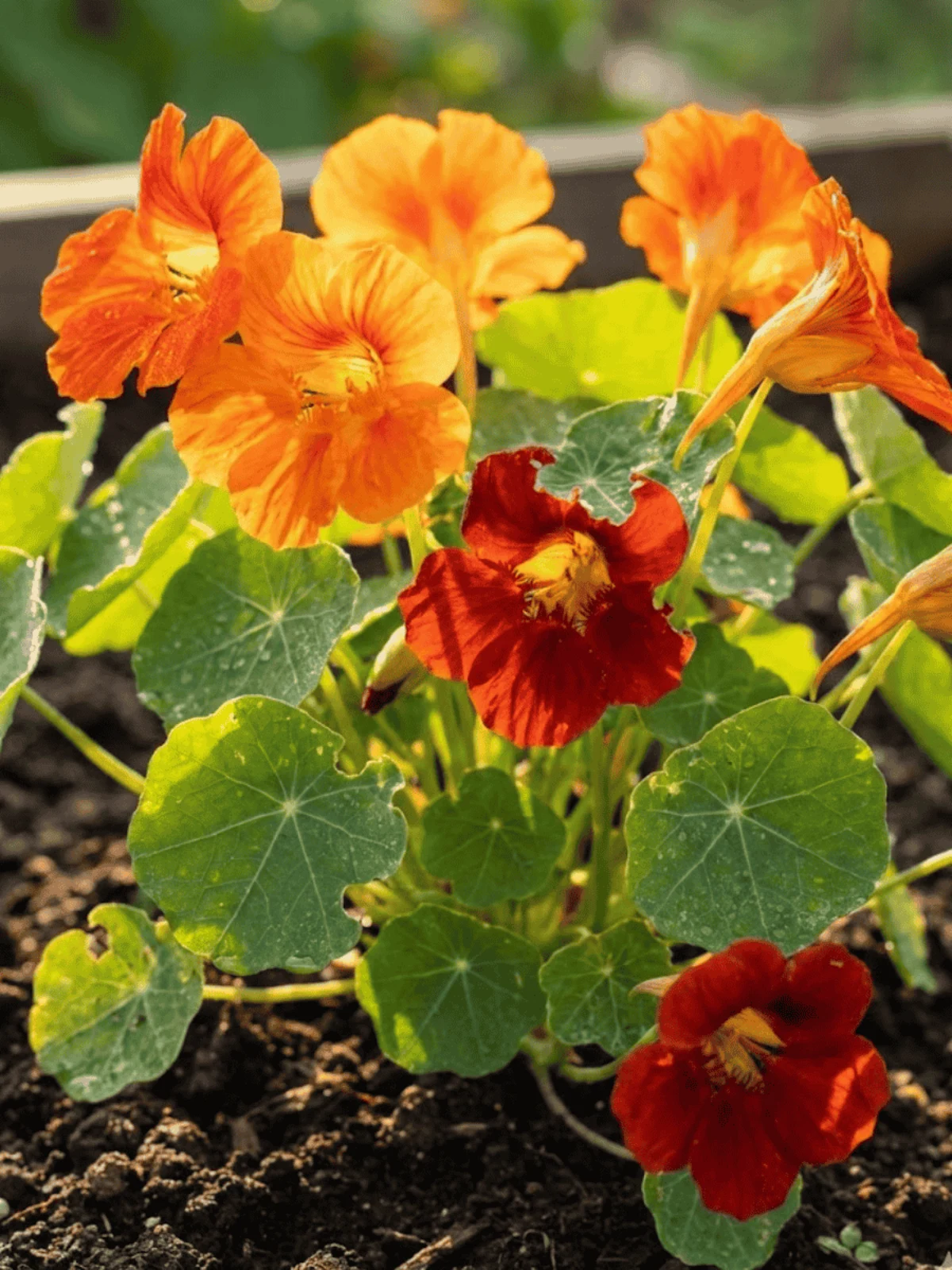
Nasturtiums are the undisputed champions of the edible flower garden. Easy to grow from seed, these trailing annuals produce brilliant blossoms and circular lily-pad foliage with a zesty, watercress-like peppery flavor that elevates summer salads, fresh pestos, and soft goat cheese spreads.
Calendula (Pot Marigold)
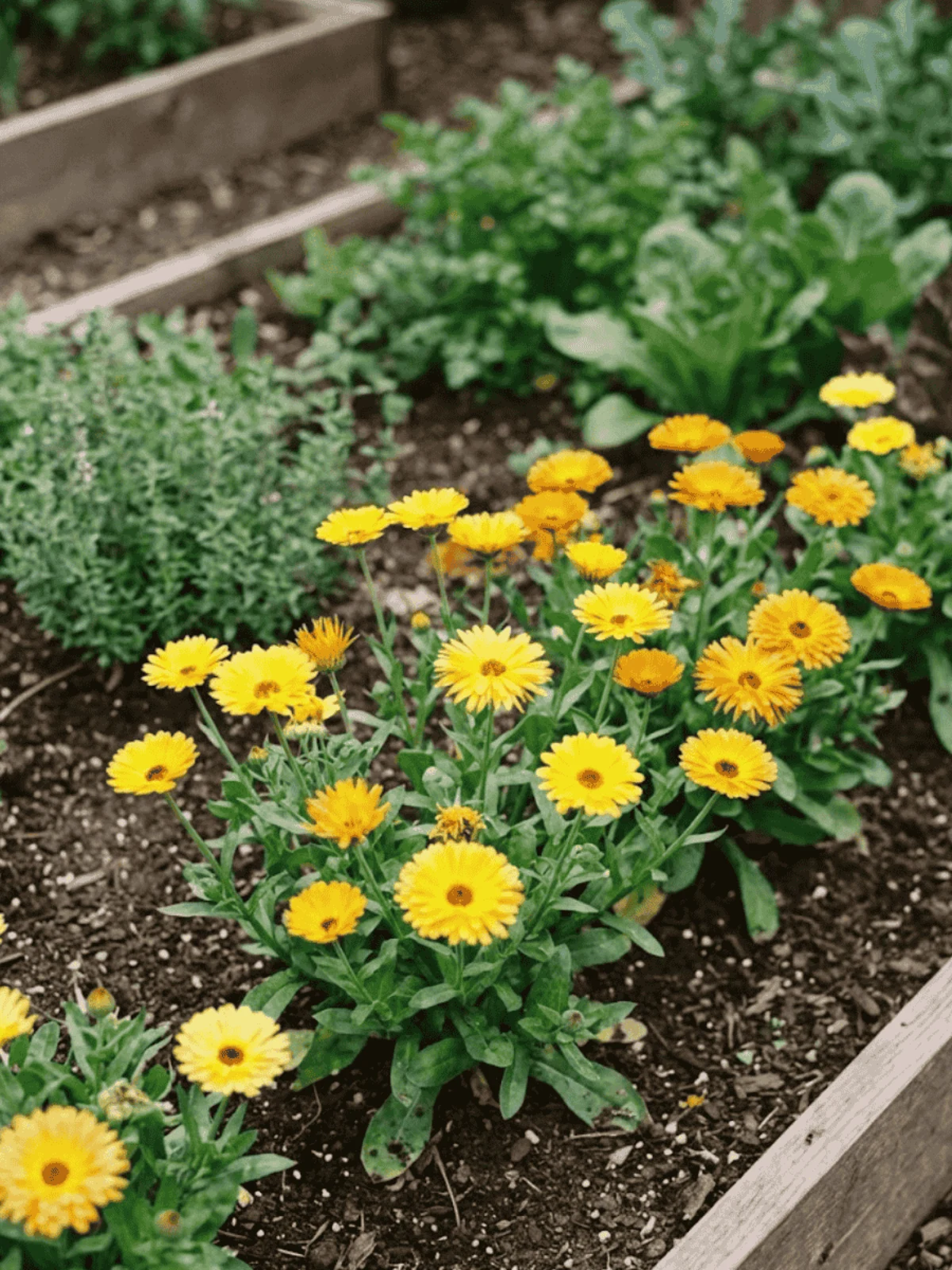
Long treasured in European farmhouse cookery, Calendula produces radiant daisy-like blossoms packed with golden orange petals. Tossing fresh petals into scrambled eggs, vegetable risottos, and artisan grain salads adds subtle spicy warmth and vivid natural food coloring.
Culinary Rose (Rosa damascena)
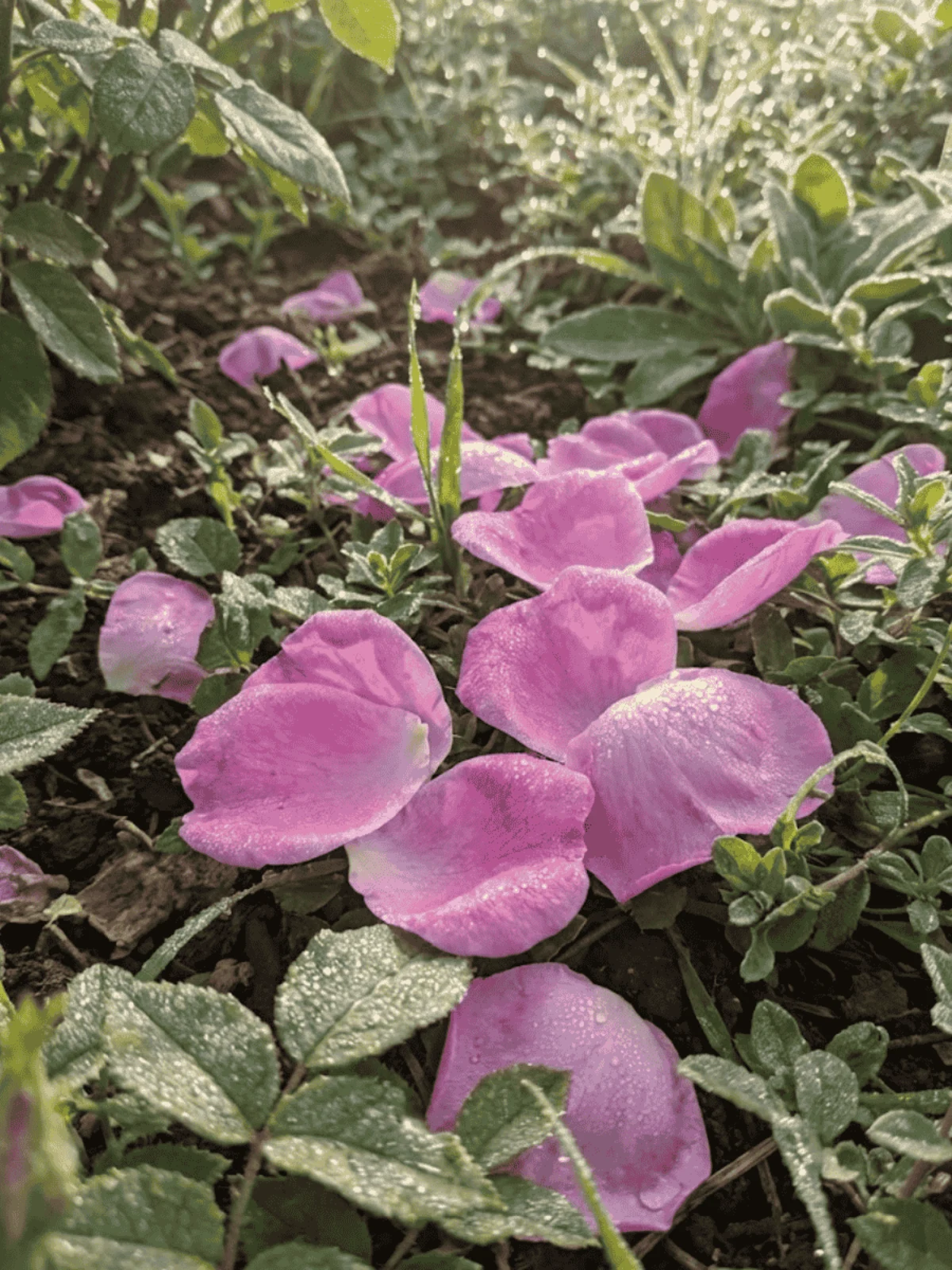
All true garden roses are edible, but old-fashioned heritage varieties like Damask and rugosa roses boast the highest essential oil content. Freshly plucked rose petals can be candied in egg whites and sugar, steeped into fragrant pink syrups, or folded into artisanal strawberry freezer jams.
Culinary Lavender (Lavandula angustifolia)
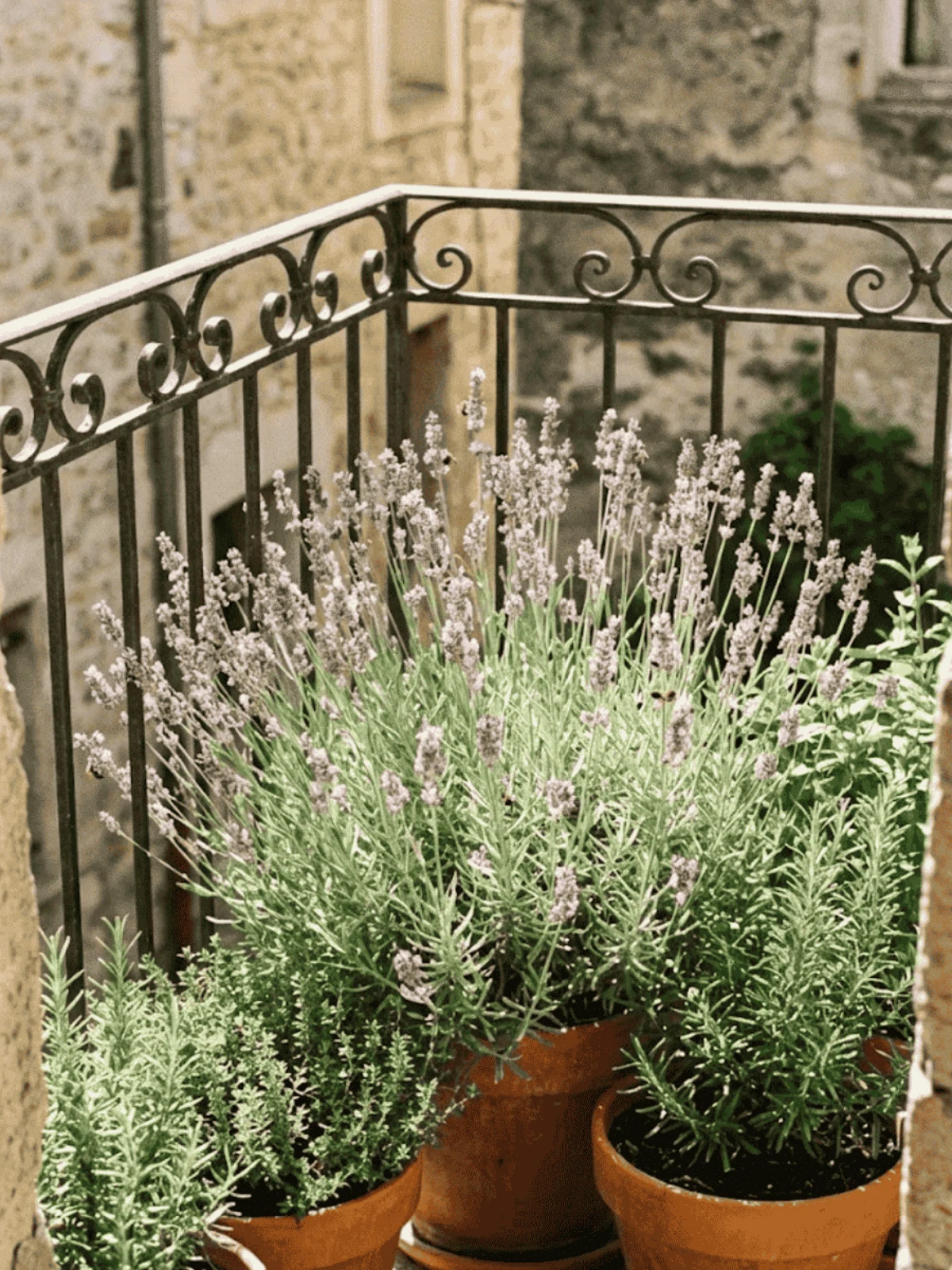
English lavender produces slender violet floral spikes prized for their calming fragrance and distinct culinary flavor. Grinding dried lavender blossoms with granulated sugar creates aromatic lavender sugar for dusting pastries, flavoring iced lemonade, or seasoning grilled lamb chops.
Chive Blossoms (Allium schoenoprasum)
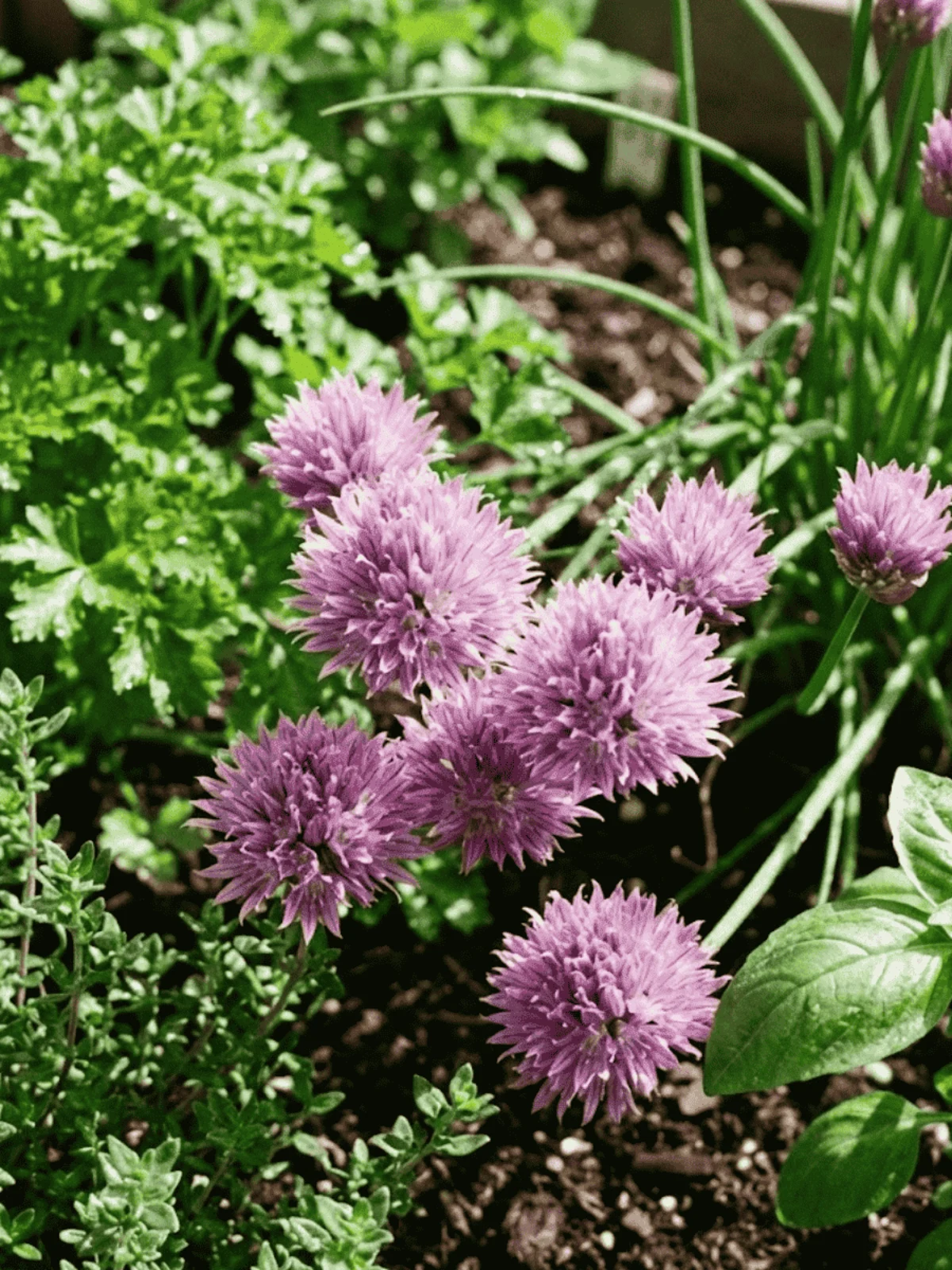
In late May, garden chives erupt with spherical lilac-purple pom-poms that taste like mild, sweet scallions. Steeping fresh blossoms in white wine vinegar creates an electric pink gourmet vinegar for summer vinaigrettes, while pulling apart raw florets adds savory bursts to potato salads and frittatas.
Garden Pansies (Viola tricolor hortensis)
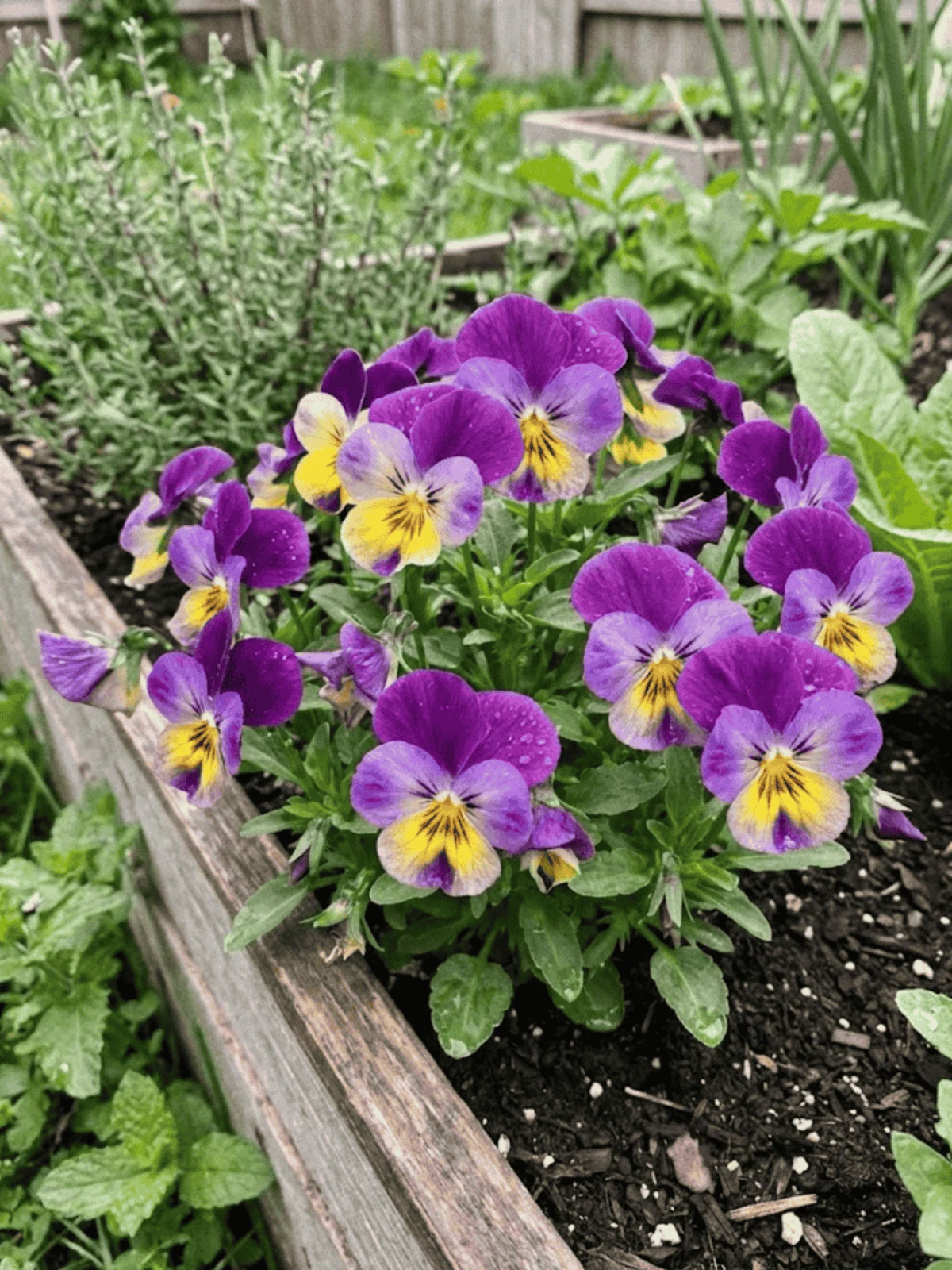
Pansies are cool-season annuals featuring cheerful painted faces in rich purples, yellows, and blues. Their mild, crisp flavor makes them universally versatile—frozen into clear ice cubes for party punch bowls, pressed onto frosted sugar cookies, or floating delicately atop craft cocktails.
Borage (Borago officinalis)
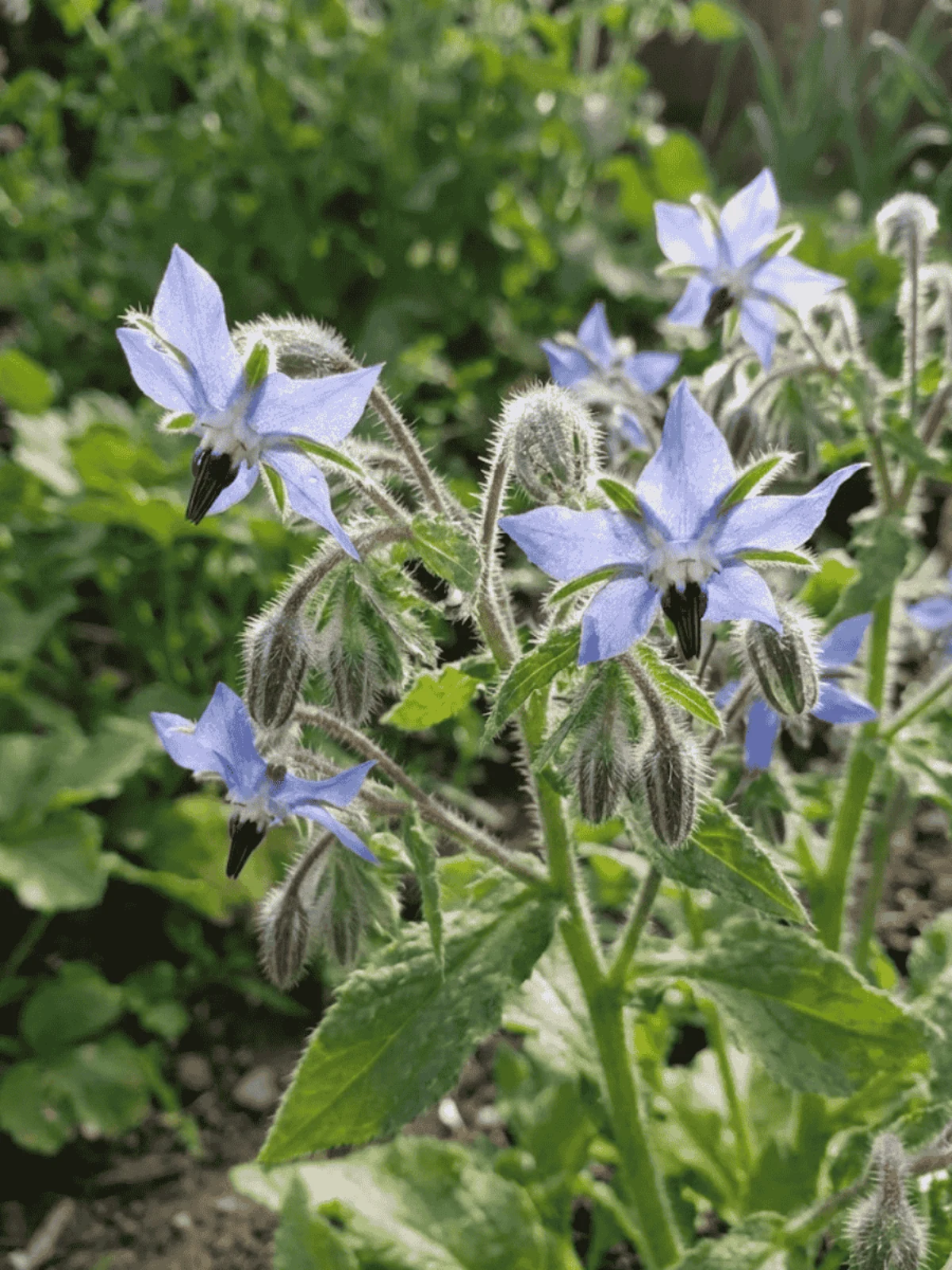
Nicknamed the 'Starflower,' borage is a vigorous culinary herb producing clusters of electric-blue star blossoms. Biting into a fresh flower releases an unmistakable cooling cucumber crunch, making it the classic British garnish for Pimm's No. 1 Cups, chilled cucumber soups, and gin tonics.
Roselle Hibiscus (Hibiscus sabdariffa)
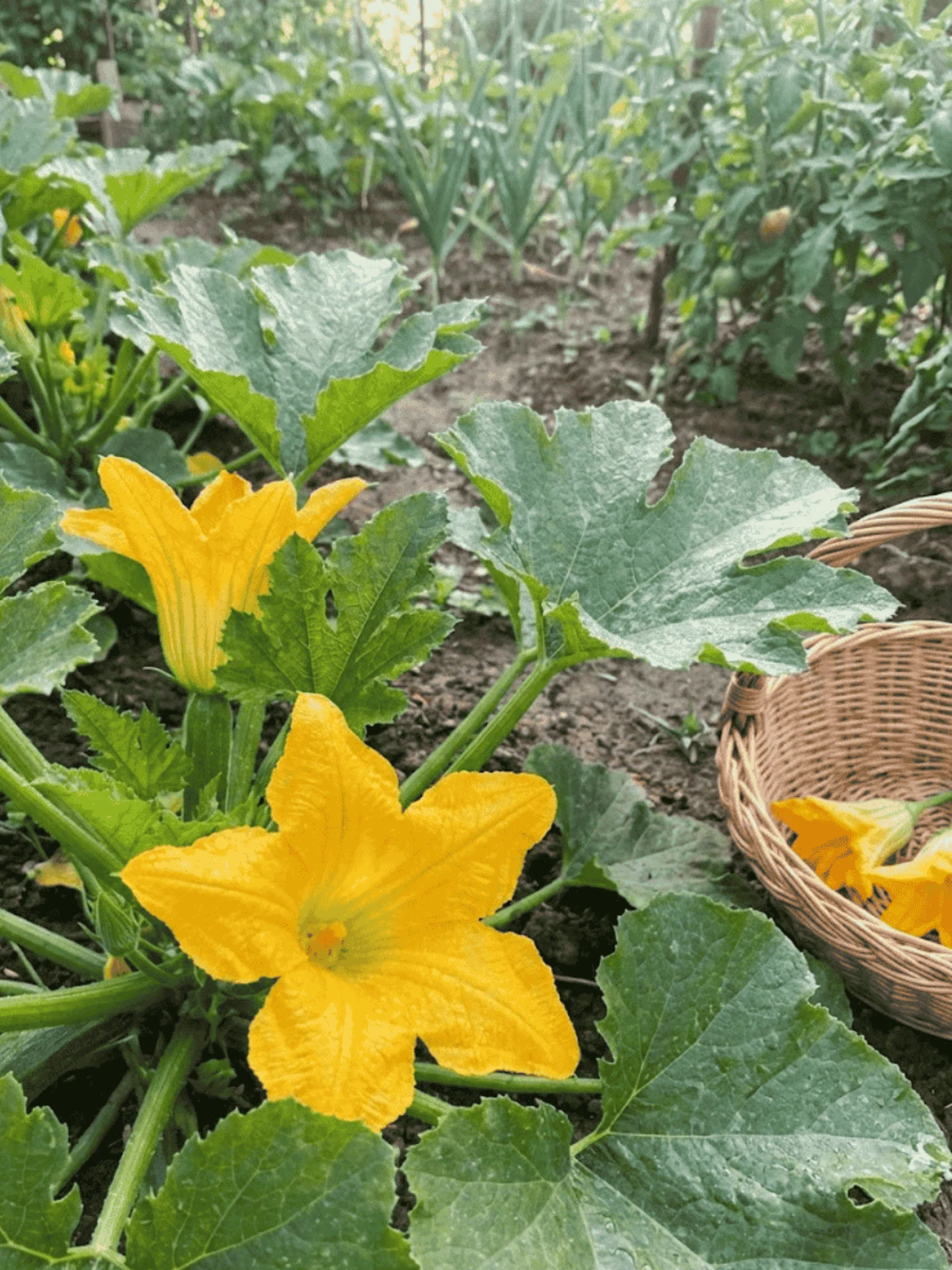
Roselle produces delicate pale-yellow blossoms followed by succulent, ruby-red calyces that pack an invigorating citrus-tart punch. Simmering fresh or dried calyces with cinnamon and raw honey produces refreshing iced hibiscus tea, tart fruit tarts, and vibrant reduction glazes.
Squash Blossoms (Cucurbita pepo)
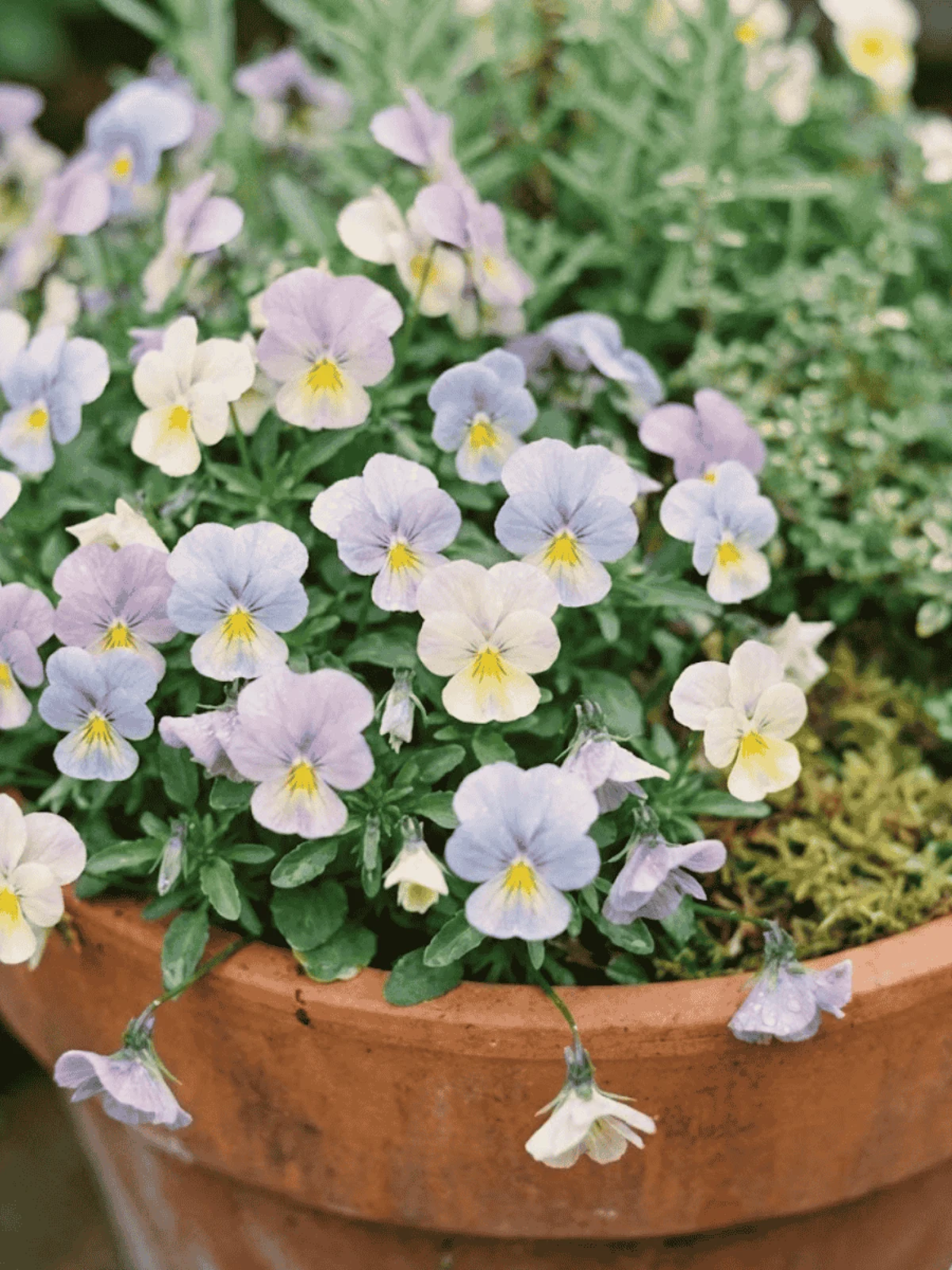
Squash blossoms are prized by fine-dining chefs worldwide for their delicate texture and golden sunshine color. Harvest male blossoms with long stems, gently remove the inner stamen, stuff the golden trumpet with herbed goat cheese, and lightly fry in tempura batter for an irresistible summer appetizer.
Violas (Viola cornuta)
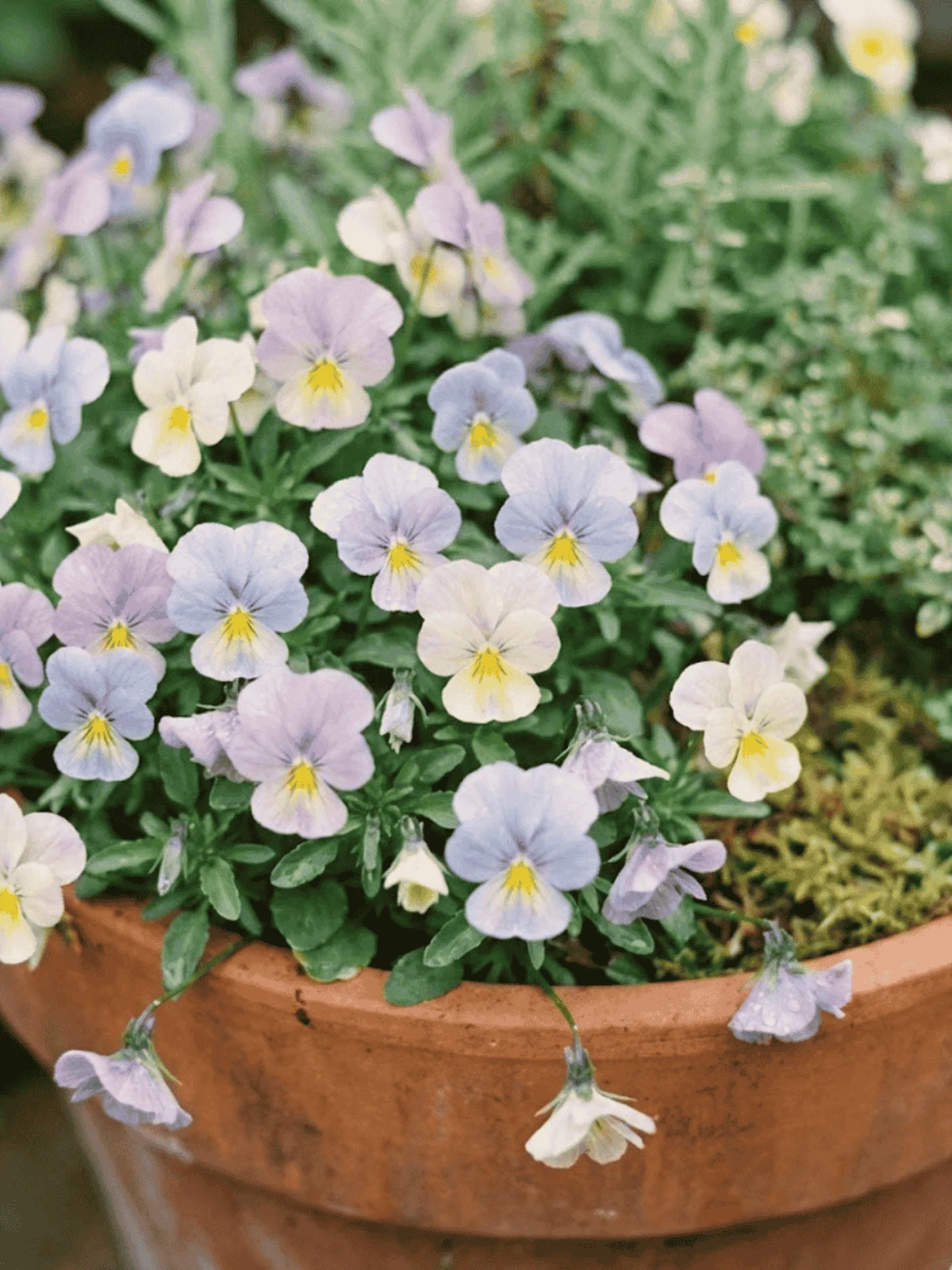
Violas are the compact cousins of pansies, bearing hundreds of miniature edible blossoms throughout spring and autumn. Their petite size and sweet, subtle flavor make them the ideal finishing touch for French macarons, artisanal chocolates, and spring mesclun salad blends.
Horticultural Safety
Essential Rules for Foraging & Consuming Edible Flowers
Safe Harvesting Habits
- Positive Identification: Never guess. Only consume flowers you have 100% verified using botanical Latin names.
- Grow from Seed: Always start plants from organic seed in untreated soil to prevent pesticide ingestion.
- Remove Pistils & Stamens: In larger flowers, removing pollen-heavy reproductive parts prevents allergic reactions and improves texture.
- Introduce Slowly: Eat small quantities initially to ensure no personal allergy sensitivities exist.
Deadly Toxic Garden Flowers
- Foxglove (Digitalis): Contains dangerous cardiac glycosides that cause fatal heart arrhythmia.
- Lily of the Valley: Highly toxic; every plant part contains convallatoxin.
- Hydrangeas: Contain cyanogenic glycosides that release toxic hydrogen cyanide when chewed.
- Oleander & Castor Bean: Extreme neurotoxins; lethal in minute quantities. Keep away from edible beds.
Expert Knowledge
Frequently Asked Questions About Edible Flower Gardening
01Are all garden flowers safe to eat?
No! Never eat flowers unless they are positively identified as non-toxic edible species. Many common ornamental flowers—including foxglove, lily of the valley, oleander, hydrangeas, and castor bean—contain lethal toxins and cardiac glycosides.
02Can I eat flowers purchased from a traditional floral shop or garden nursery?
Never consume florist bouquets or conventional nursery bedding plants. They are frequently treated with systemic non-food-safe synthetic fungicides, chemical pesticides, and growth retardants. Only eat flowers grown from certified organic seed without synthetic chemicals.
03What is the best time of day to harvest edible flowers for peak flavor?
Harvest edible flowers in the cool early morning right after dew has evaporated but before the intense afternoon sun wilts delicate petals and evaporates fragrant aromatic volatile oils.
04How do you wash and prepare edible blossoms before serving?
Gently submerge freshly picked flowers into a bowl of cool ice water to dislodge tiny garden insects and dust. Pat completely dry on unbleached paper towels. For larger flowers like roses and hibiscus, gently pluck off the bitter white petal base and green calyx before eating.
05Which edible flowers are easiest for beginners to grow in Massachusetts?
Nasturtiums, calendula, borage, and chives are virtually foolproof in New England Zone 6b. They germinate rapidly from direct outdoor seeding in May, require minimal fertilizer, and bloom continuously through the first hard autumn frost in October.
06Can edible flowers help protect my vegetable crops from pests?
Yes. Nasturtiums act as sacrifice trap crops, luring aphids away from tender tomatoes and squash. Borage repels hornworms and attracts swarms of bumblebees, while French marigolds and calendula emit subterranean compounds that suppress root-knot nematodes.
07What do squash blossoms taste like and how are they prepared?
Squash blossoms offer a delicate, subtly sweet zucchini flavor. They are internationally prized for stuffing with fresh ricotta cheese, herbs, and lemon zest, dipped in light tempura batter, and pan-fried until crisp and golden.
08How should harvested edible flowers be stored for later use?
Store dry, unwashed edible flowers in an airtight glass container lined with a damp paper towel in the refrigerator crisper drawer at 36°F to 40°F. Most delicate blooms (violas, borage) stay fresh for 3 to 5 days, while hearty nasturtiums and chives last up to a week.
Want a Custom Organic Kitchen Garden or Edible Landscape?
Our team designs and installs high-yield raised vegetable beds, edible flower borders, and drip irrigation systems across Peabody, Danvers, Beverly, and Essex County.
Get connected with an independent local landscaping professional. Calls go to (877) 537-6896.