Peabody • Essex County
Yard Drainage in Peabody, MA
Scope
What this covers — and what it doesn't
This page covers surface and subsurface water management outside the house — grading, downspouts, French drains, dry wells and swales. Sewer and interior drain cleaning is plumbing work and is out of scope here.
Diagnosis
Where is the water actually coming from
Fixing yard drainage starts with figuring out the water's source — roof runoff, an uphill neighbor's grade, compacted rocky glacial till, shallow ledge perching water near the surface, or a negative grade that slopes toward the house instead of away from it.
Roof runoff is the most common and the easiest to trace: a downspout dumping water at the base of the house or right at a low spot in the lawn will keep that area wet no matter what else gets done. Water arriving from an uphill neighbor's yard is trickier, since it crosses a property line, but a swale or a drain positioned to intercept it before it reaches your lawn is often the practical answer.
Underground, Essex County's soil consists predominantly of rocky glacial till with boulders and, in places, shallow ledge. Compacted till and dense subsoils can perch water above them the way a dish holds water, even where topsoil seems dry. Shallow ledge does the same thing from below, trapping groundwater in a thin layer of soil resting on solid rock. And a negative grade — ground that slopes toward the foundation instead of away — is often the single biggest contributor to a wet basement or a soggy strip along the house.
Process
The fix order: regrade, then downspouts, then subsurface work
The most reliable drainage fixes happen in order: correct the grade first, then extend downspouts away from problem areas, and only add subsurface drainage — French drains, dry wells, catch basins — if water is still sitting after those two steps.
- 01
Regrade
Correct the slope of the soil itself so water moves away from the foundation and toward a safe outlet, rather than pooling against the house or in a low spot.
- 02
Extend downspouts
Route roof runoff well away from the foundation and problem areas before assuming the ground itself needs subsurface drainage work.
- 03
Add subsurface drainage if needed
French drains, dry wells, swales or catch basins go in only where grading and downspouts alone can't move the water that's actually there.
Methods
French drains, dry wells, swales and catch basins
Each drainage method moves or holds water differently: French drains carry it to an outlet, dry wells let it soak in, swales redirect surface flow, and catch basins and channel drains collect it at a specific low point like a garage apron before piping it away.
- French drain
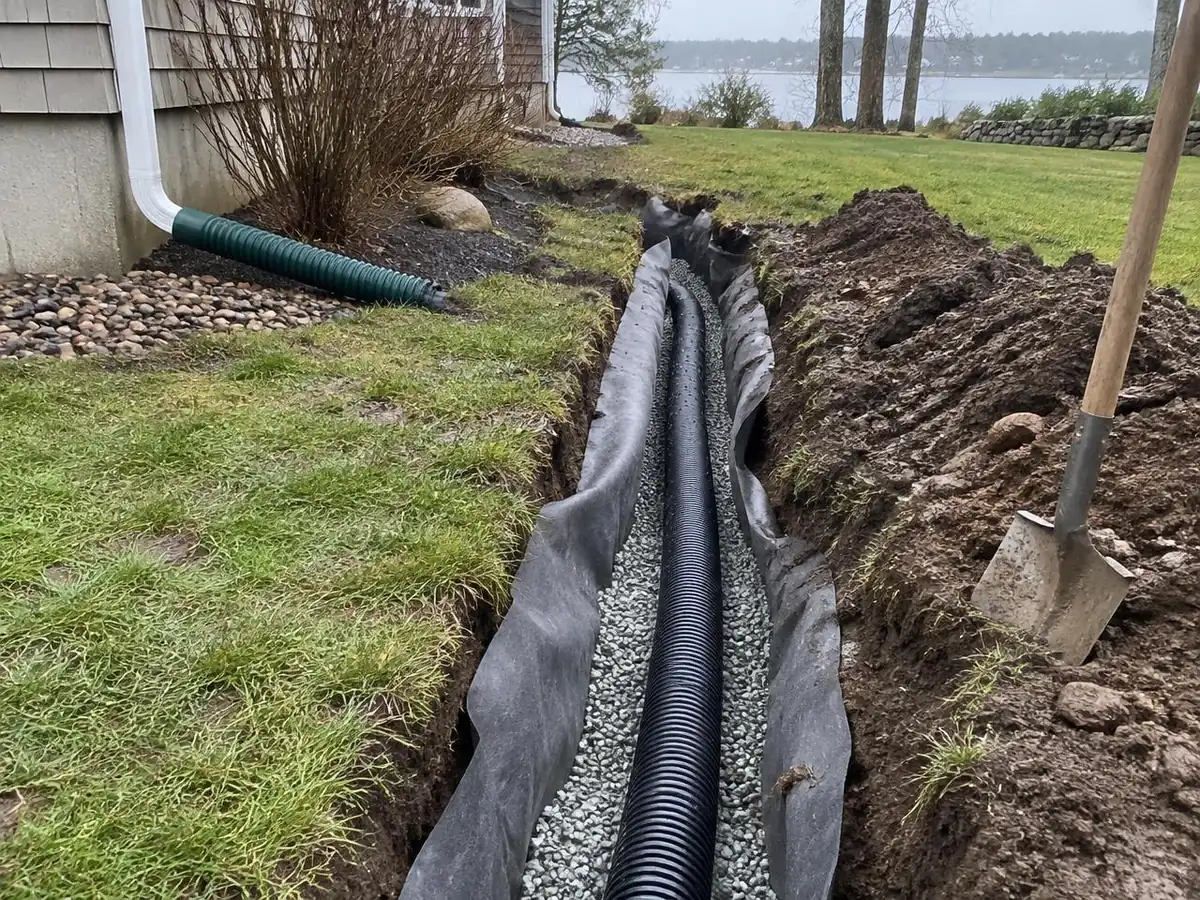
- A trench with perforated pipe wrapped in filter fabric and bedded in washed stone, carrying water by gravity to an outlet with positive fall.
- Dry well
- A buried gravel or chambered pit that collects water and lets it infiltrate into surrounding soil where there's no good outlet nearby.
- Swale
- A shallow, graded channel across the lawn surface that redirects sheet-flowing water around a house or low area.
- Catch basin / channel drain
- A grated inlet — often at a garage apron or patio edge — that collects concentrated water and pipes it to daylight or a dry well.
- Sump discharge routing
- Piping a sump pump's discharge well away from the foundation and toward an appropriate outlet instead of letting it recirculate back underground nearby.
What makes any of these systems work long-term is an outlet with real positive fall — water has to have somewhere lower to go, and gravity does the rest. A French drain built without enough fall, or one that dead-ends instead of daylighting somewhere useful, will silt up and stop working within a season or two. Filter fabric wrapped around washed stone keeps soil from clogging the pipe and stone over time, which is what lets these systems keep working for years instead of needing to be dug up and redone.
Before you dig
Dig Safe and wetland buffer rules
Any excavation for a drainage system needs a Dig Safe call at least 72 hours ahead of time, and work anywhere near the Ipswich River, Crystal Lake or a wetland may fall under the Peabody Conservation Commission's 100- and 200-foot buffer rules.
Dig Safe applies to homeowners as well as contractors — a call at least 72 hours before digging, excluding weekends and holidays, gets underground utilities marked, and those markings are generally valid for about 30 days. Hand digging within 18 inches of a marked utility is the standard precaution once lines are located.
Separately, Peabody's Conservation Commission enforces a 100-foot buffer from wetlands and vernal pools and a 200-foot buffer from rivers and streams under the Massachusetts Wetlands Protection Act and the city's local wetlands ordinance. That can matter for drainage work near the Ipswich River or Crystal Lake specifically, where an outlet or trench might fall inside a protected buffer. Filings run through a Request for Determination of Applicability or a Notice of Intent depending on the project.
Sources: Dig Safe / 811 excavation notification requirements; Peabody Conservation Commission, Community Development, 24 Lowell St, under the MA Wetlands Protection Act and local wetlands ordinance.
Updated:Winter
Freeze-related drainage issues
Standing water that freezes and thaws repeatedly through a Peabody winter can heave pipe, crack pavement over a poorly drained base, and turn a minor wet spot into an ice patch — one more reason to route water away before winter rather than after a problem shows up.
Recent Work
Yard Drainage & Water Management in Peabody, MA
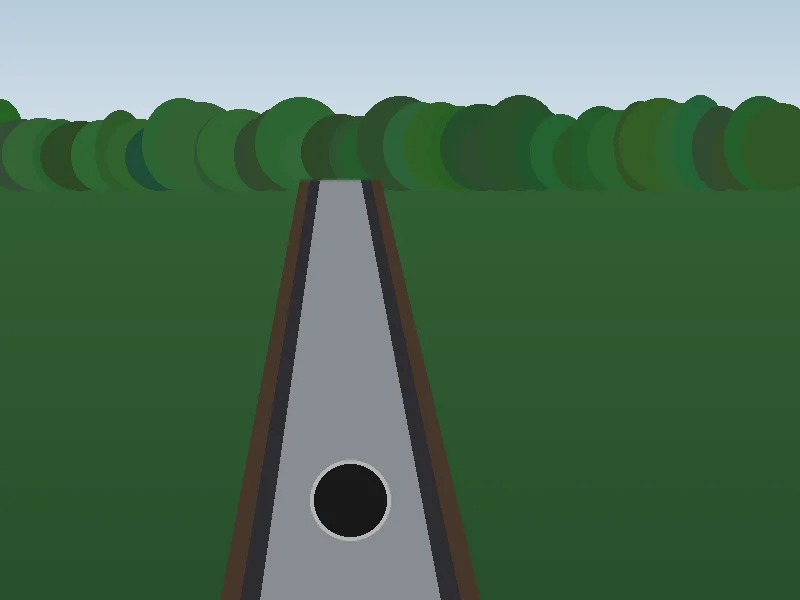 French Drain
Perforated pipe and washed crushed stone French drain intercepting subsurface water.
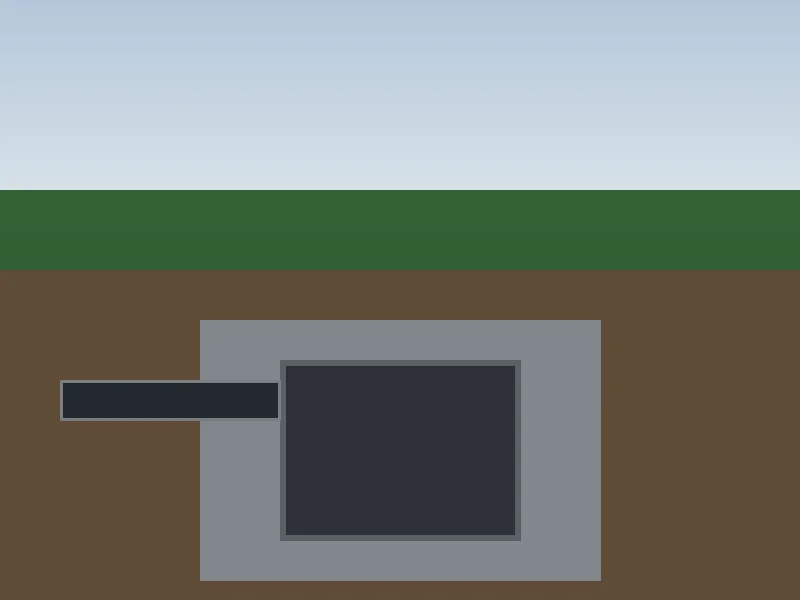 Dry Well
Subsurface dry well basin allowing rainwater to recharge into sandy till soil.
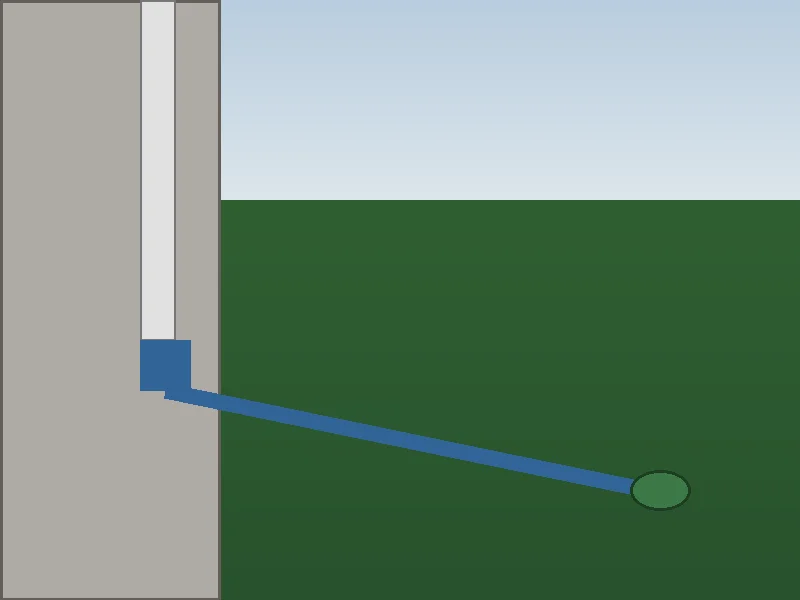 Downspouts
Buried PVC downspout lines discharging roof runoff safely away from foundations.
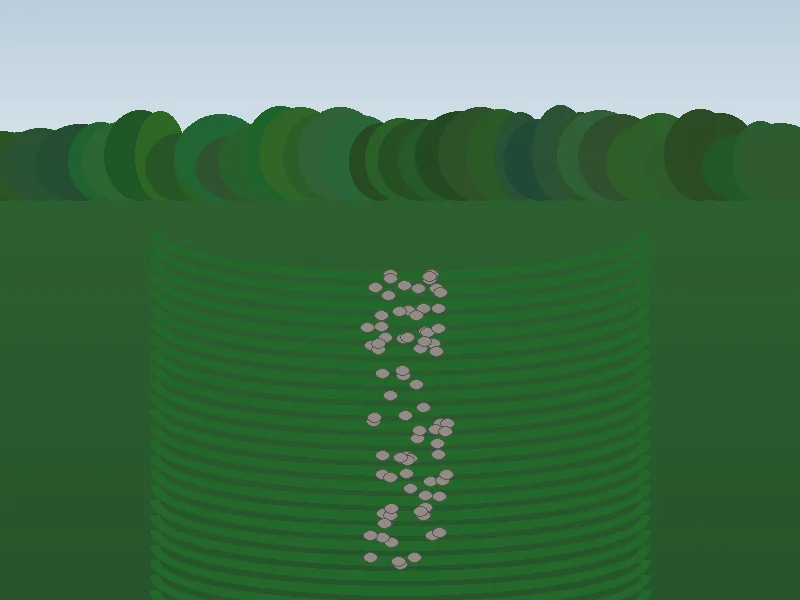 Swale & Grading
Graded turf swale channeling heavy storm runoff away from low-lying lawn areas.
Related landscaping services
Retaining Walls
Segmental block, granite and dry-stack fieldstone walls engineered with drainage stone, perforated pipe and geogrid for sloped Essex County lots.
Patios & Hardscaping
Paver and bluestone patios, walkways, steps and fire pits built on a base that holds up to New England freeze–thaw movement.
Lawn Care & Mowing
Weekly mowing and edging plus the renovation work — aeration, overseeding, fertilization and irrigation checks — that thickens a thin lawn.
See typical project ranges in the Peabody landscaping cost guide, more answers on the FAQ page, and coverage on the service areas page.
Answers
Yard drainage FAQs
01How do I fix a soggy lawn?
Start by finding where the water is coming from — roof runoff, a neighbor's higher grade, or a low spot with nowhere for water to go — then fix grade and downspouts before considering subsurface drainage. Many soggy-lawn complaints resolve once downspouts are extended away from the house and the grade is corrected; a French drain or dry well is the next step only if water still sits after that.
02How much does a French drain cost?
Landscaping costs in this market are commonly published in per-square-foot and hourly ranges — HomeGuide cites roughly $4 to $12 per square foot for general landscaping work and $50 to $100 per hour for smaller jobs — but a French drain's price depends on trench length, depth, soil conditions and where the outlet ties in, so it is quoted per project rather than at a flat rate.
03Do I need a permit to install a French drain in Peabody?
Routine yard drainage work like a French drain or dry well is generally not the kind of structural work that triggers a building permit, but any excavation still requires a Dig Safe call at least 72 hours in advance, and work near a wetland, pond or river may fall under the Peabody Conservation Commission's review. Confirm your specific project with Peabody Inspectional Services and the Conservation Commission before digging.
04What is the difference between a French drain and a dry well?
A French drain is a gravel-filled trench with a perforated pipe that collects and moves water along a slope to an outlet; a dry well is a buried chamber that collects water and lets it soak into the surrounding soil rather than carrying it away. French drains work best where there's a place downhill to send the water; dry wells work where there isn't, provided the soil can absorb it.
05Why is my yard wet even though it hasn't rained in days?
Persistent wet spots after dry weather usually point to a hidden water source rather than surface rain — a high water table, a spring fed by uphill groundwater, or shallow ledge that traps water like a bowl underneath the topsoil. That kind of standing water needs to be diagnosed rather than assumed, since the fix is different from a simple regrading job.
06Can I fix drainage problems myself?
Cleaning gutters, extending downspouts and minor regrading with topsoil are reasonable homeowner projects. French drains, dry wells and anything requiring excavation near a foundation, slope or wetland buffer are worth having a professional assess, since getting the outlet and fall wrong means redoing the whole system.
07Is drain cleaning something you handle?
No — sewer and interior drain cleaning is plumbing work and outside the scope of yard drainage and grading services. What we cover is surface and subsurface water management in the yard itself: grading, French drains, dry wells, swales and downspout routing.
08How close to the Ipswich River or Crystal Lake can I dig a French drain?
Peabody's Conservation Commission enforces a 100-foot buffer from wetlands and vernal pools and a 200-foot buffer from rivers and streams under the state Wetlands Protection Act and local wetlands ordinance, which can affect work near the Ipswich River or Crystal Lake. Contact the Conservation Commission early if your project falls anywhere near those buffers.
Not sure why your yard stays wet?
Describe the problem area and we'll connect you with a local drainage professional who can diagnose it in Peabody.
Get connected with an independent local landscaping professional. Calls go to (877) 537-6896.