High-Yield Culinary Landscaping
20 Spicy Pepper Garden Ideas: High-Yield Chilies, Hot Beds & Design Layouts
Spicy pepper garden ideas maximize chili yields by combining full sun exposure, warm well-draining soil, and creative vertical designs like pyramid planters and container clusters. Pairing hot peppers with companion herbs like basil and marigolds naturally deters pests while concentrated heat and drip irrigation optimize capsaicin levels for richer flavor.
Full unfiltered direct sunshine
Warm root zone required
Avoid wet foliage and rot
Agronomic Specifications
Popular Chili Pepper Varieties & Growing Requirements
| Chili Cultivar | Scoville Heat (SHU) | Sunlight | Soil Temp | Harvest Window | Min Pot Depth |
|---|---|---|---|---|---|
| Sweet Bell & Banana Pepper | 0 - 500 SHU | 6-8 Hours Full Sun | 65°F - 75°F | 65 - 75 Days | 10 - 12 Inches |
| Early Jalapeño & Serrano | 3,500 - 25,000 SHU | 6-8 Hours Full Sun | 70°F - 80°F | 70 - 85 Days | 12 Inches |
| Cayenne & Thai Bird's Eye | 30,000 - 100,000 SHU | 8+ Hours Direct Sun | 75°F - 85°F | 80 - 90 Days | 12 Inches |
| Orange & Red Habanero | 100,000 - 350,000 SHU | 8+ Hours Direct Sun | 75°F - 85°F | 90 - 100 Days | 14 Inches |
| Bhut Jolokia (Ghost Pepper) | 850,000 - 1,040,000 SHU | 8+ Hours Direct Sun | 80°F - 90°F | 100 - 120 Days | 14 - 16 Inches |
| Carolina Reaper & Scorpion | 1,400,000 - 2,200,000 SHU | 8+ Hours Direct Sun | 80°F - 90°F | 110 - 130 Days | 16 Inches (5 Gallons) |
Creative Inspiration
20 Creative Spicy Pepper Garden Ideas for Maximum Backyard Yields
Color-Themed Gradient Pepper Garden
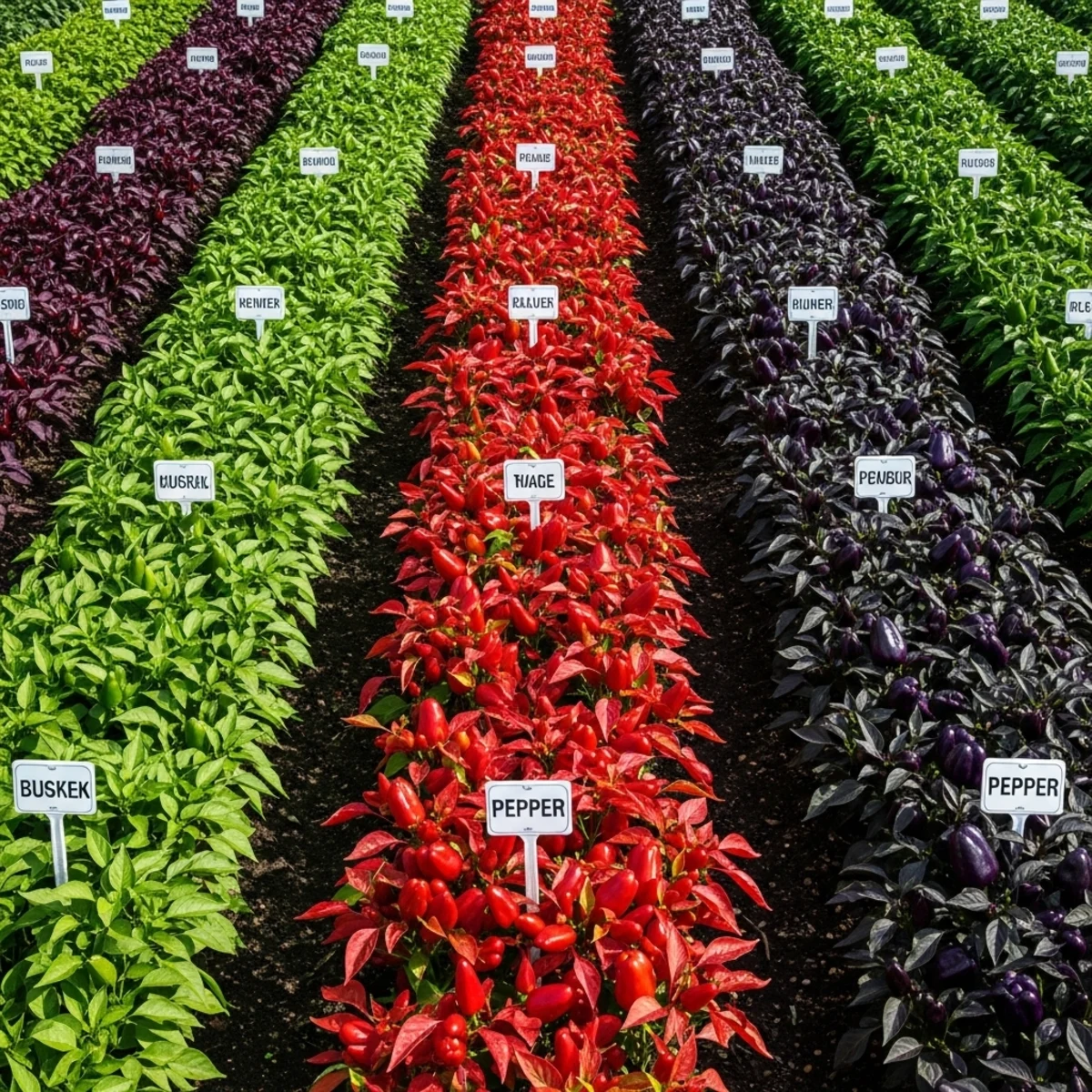
Design an eye-catching rainbow gradient bed that transitions systematically from emerald poblanos and golden banana peppers to bright orange habaneros and deep purple buena mulatas. Grouping varieties by color and mature height creates dynamic visual rhythm across your sunny landscape border while simplifying organized harvesting.
Multi-Tiered Pepper Pyramid Garden
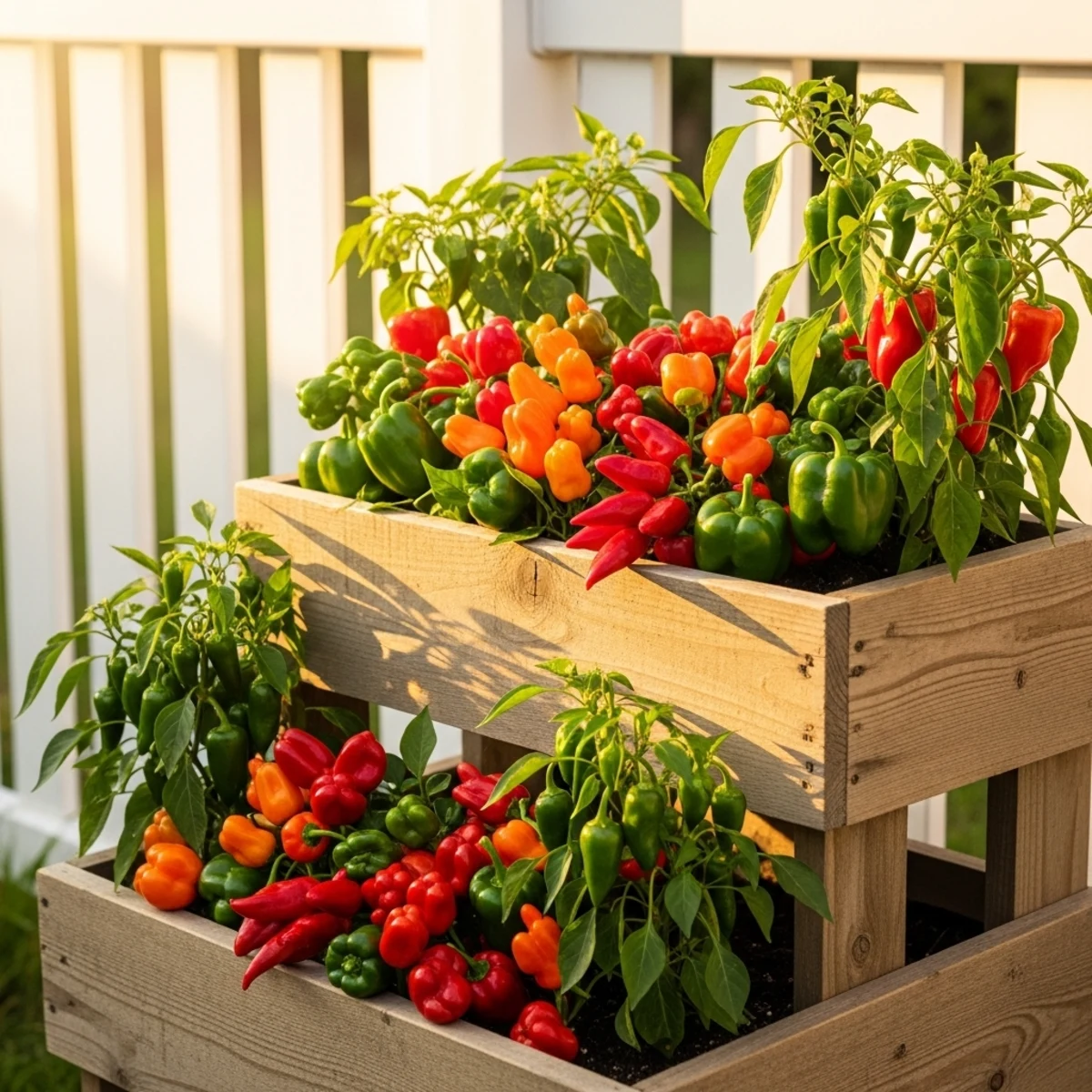
A stepped pyramid planter constructed from rough-sawn cedar provides independent root compartments while elevating heat-loving plants closer to full sun. Position compact ornamental Thai varieties on top tiers and sprawling, high-yield cayenne or bell varieties along the base for structural balance and unimpeded airflow.
Companion Raised Bed with Herbs and Flowers
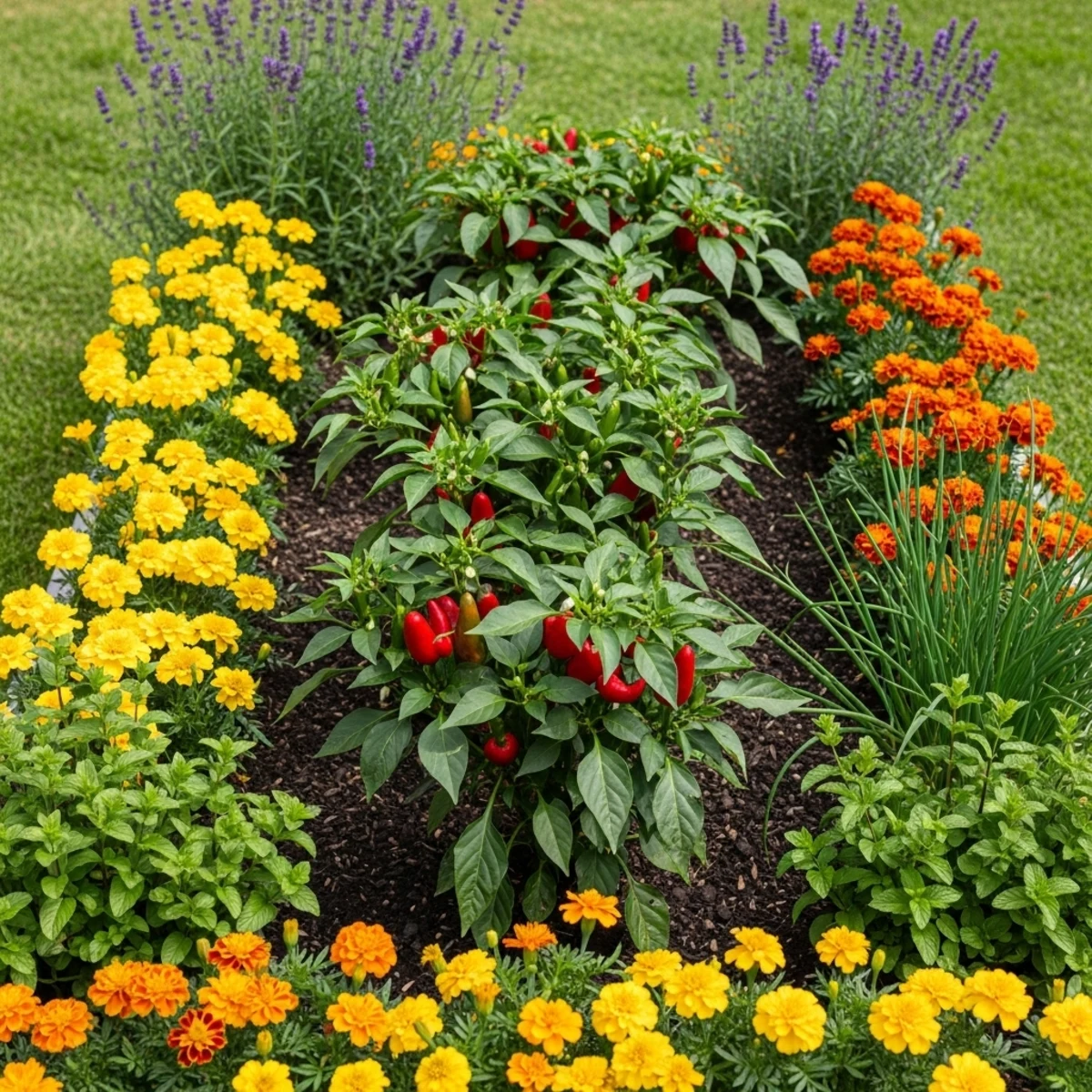
Combine spicy peppers with proven organic companion plants that naturally repel garden pests and stimulate vigorous growth. Aromatic genovese basil deters hornworms, bright orange marigolds combat subterranean root nematodes, and flowering chives lure pollinators while infusing kitchen harvests with instant culinary pairings.
Dedicated Backyard Salsa Garden Bed
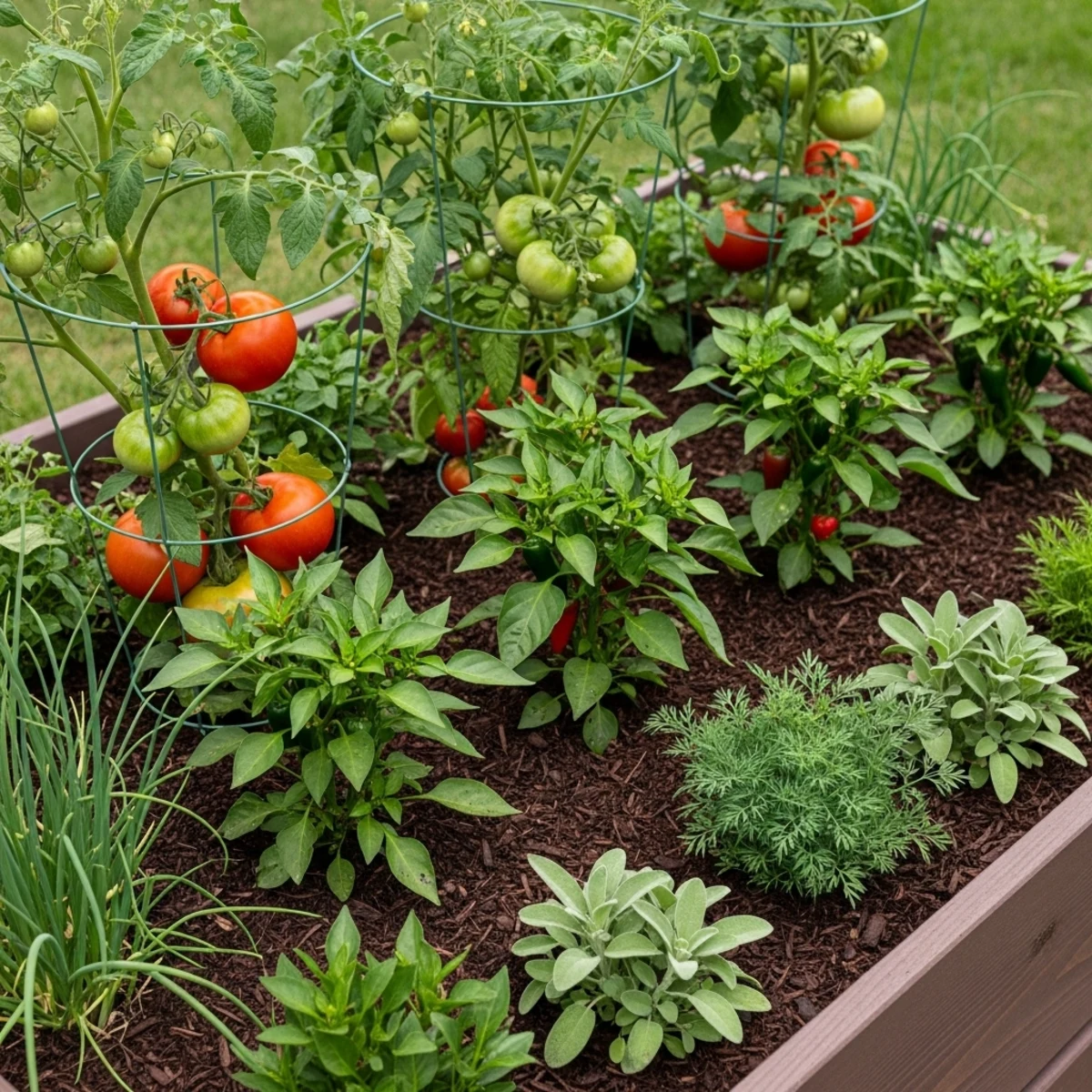
Dedicate a 4x8-foot raised bed exclusively to homemade salsa ingredients. Arrange bushy jalapeños and serranos in the middle row, flanked by staked indeterminate plum tomatoes in the back and tender cilantro, bunching onions, and garlic chives in the front border for continuous fresh weekend harvesting.
Container Patio Pepper Garden
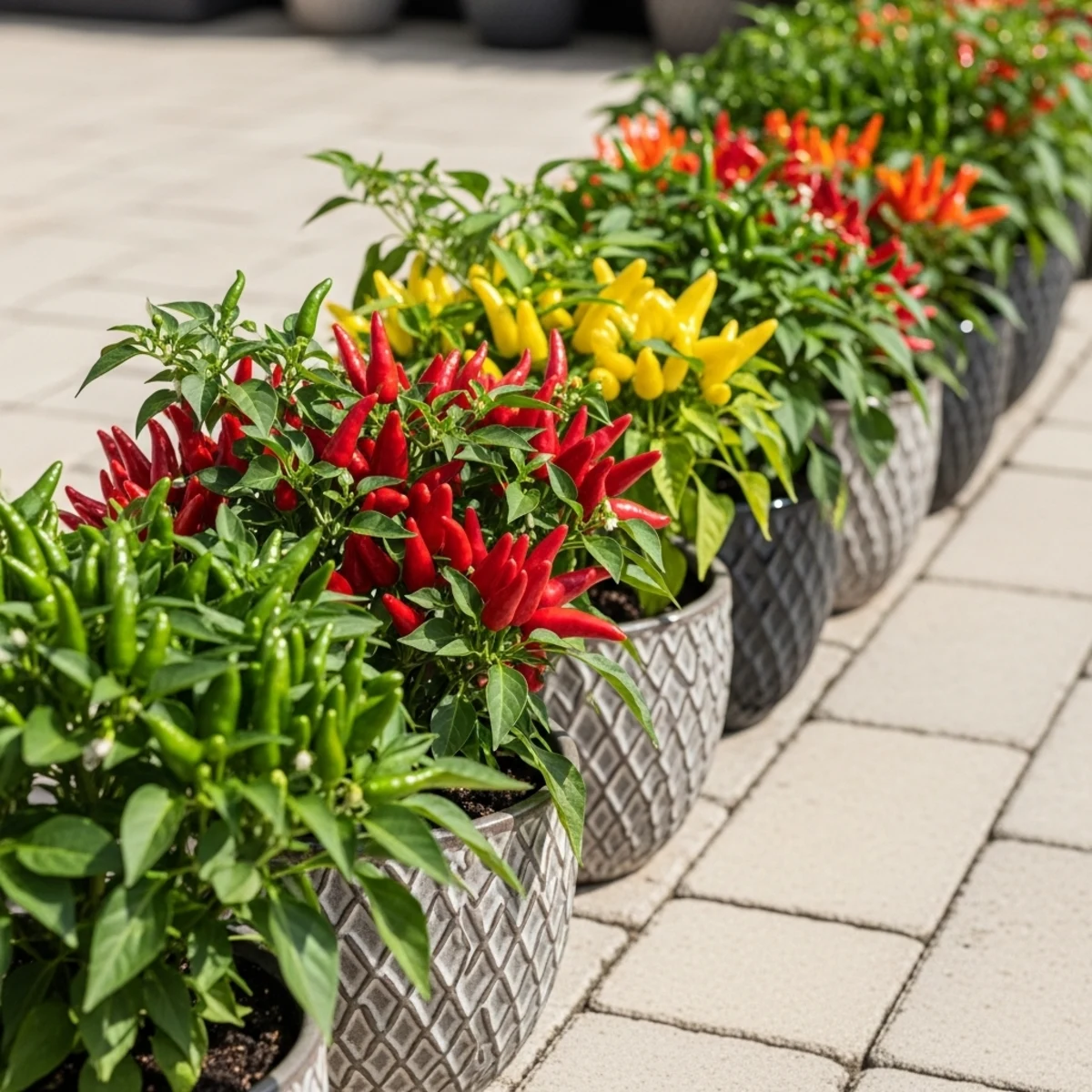
Dark stone and clay containers absorb radiant solar heat during hot summer afternoons, warming root zones and accelerating fruit ripening. Grouping pots of varied heights, textures, and glazing creates a lush Mediterranean patio display that can be wheeled indoors before early New England autumn frosts.
Cascading Hanging Basket Chili Garden
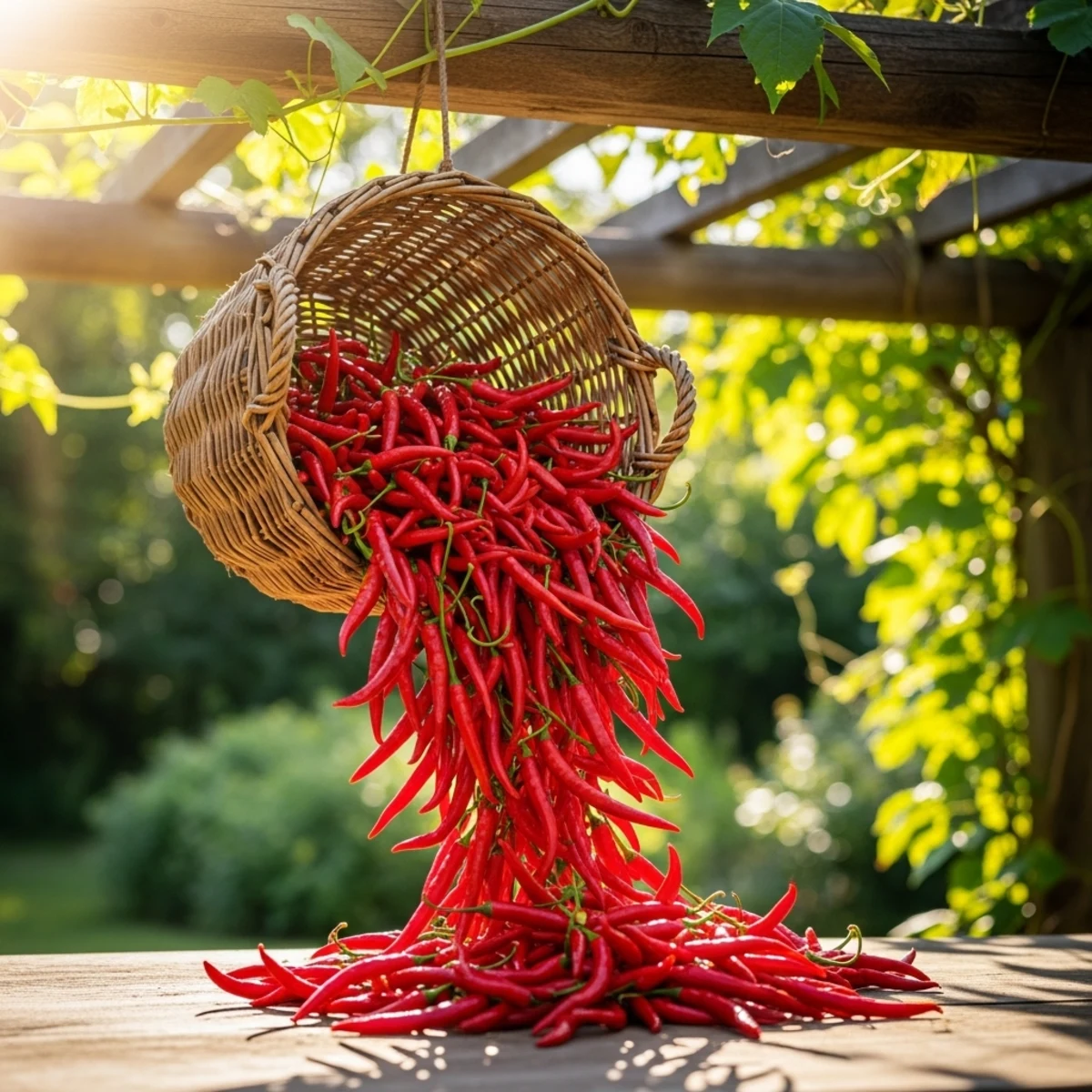
Compact, weeping chili varieties such as 'Basket of Fire' and 'Prairie Fire' thrive when suspended from pergola rafters and porch eaves. Elevated hanging baskets keep tender fruit safe from ground slugs, optimize ambient air circulation, and create dramatic cascading waterfalls of multi-colored hot pods.
Super-Hot Ghost Pepper Isolation Zone
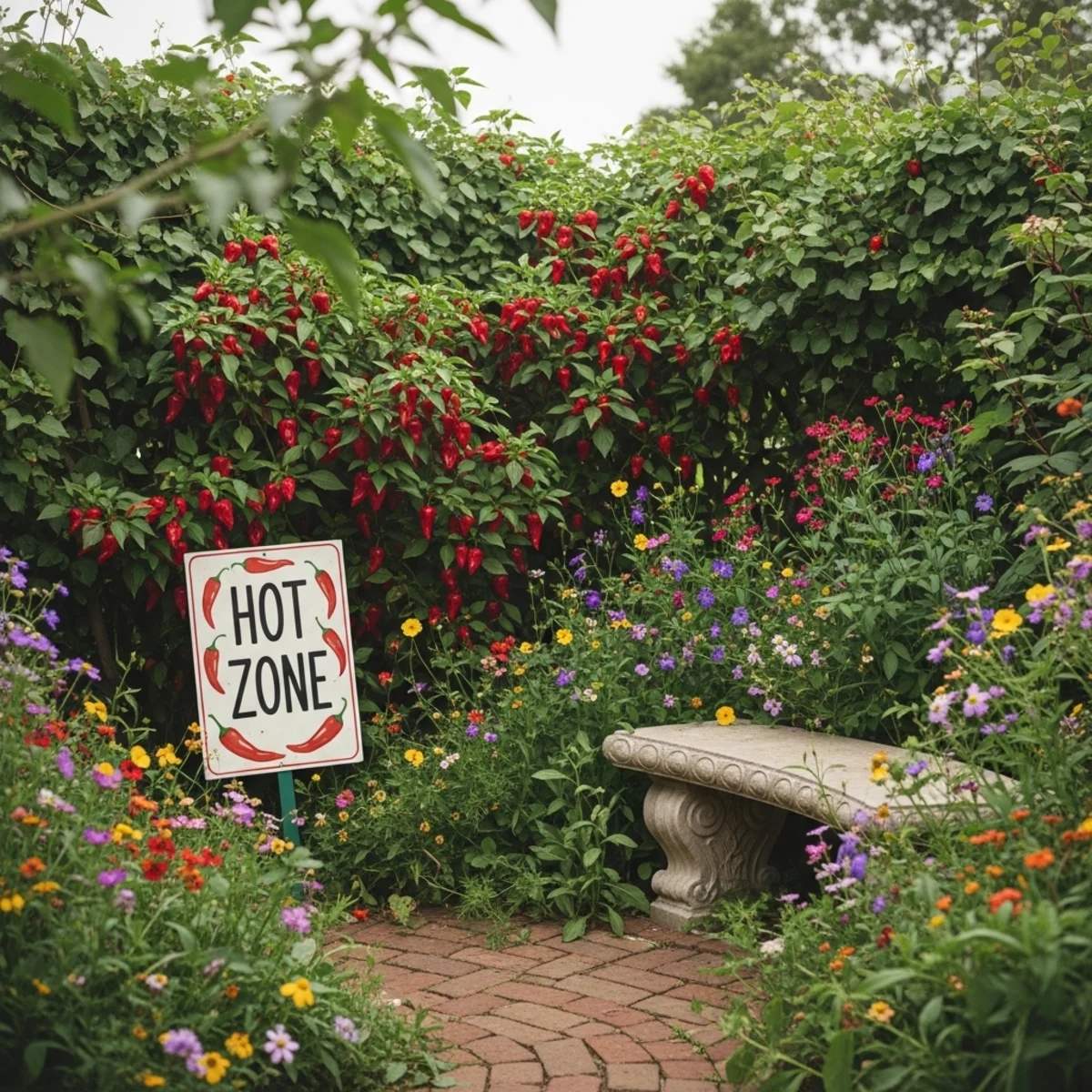
When cultivating super-hot heritage cultivars like Ghost Peppers (Bhut Jolokia), Trinidad Moruga Scorpions, or Carolina Reapers, establish a clearly defined isolation zone. Use decorative timber fencing and bold signage to prevent children or pets from brushing against potent resinous leaves and blistering oils.
Spiral Herb and Pepper Microclimate Garden
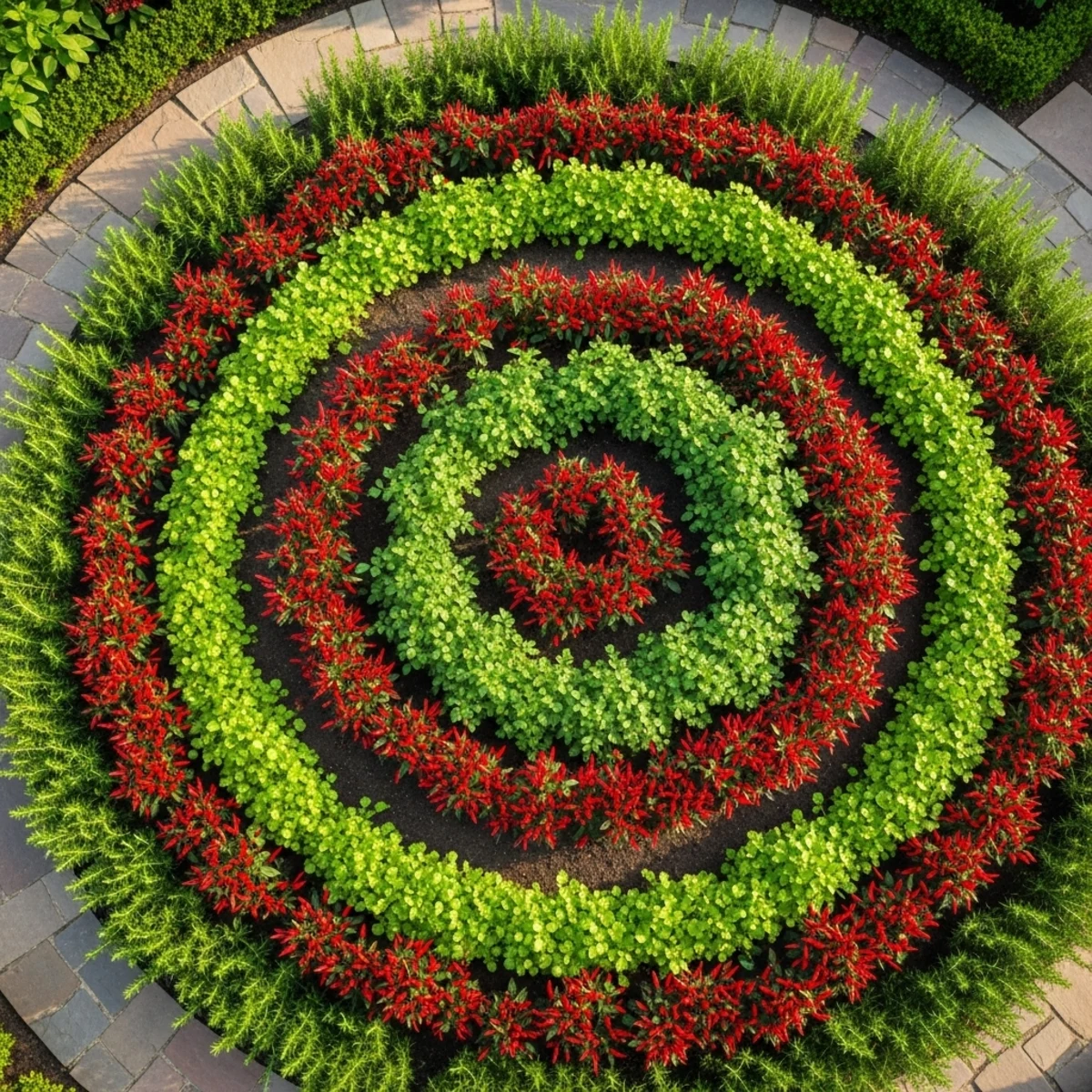
Constructing a vertical spiral using dry-laid fieldstone creates varying elevations and sun exposures within a compact circular footprint. Position heat-seeking habaneros on the sun-baked, dry southern apex of the spiral, while placing moisture-loving sweet peppers and herbs near the cool, shaded base.
Vertical Upcycled Pallet Pepper Wall
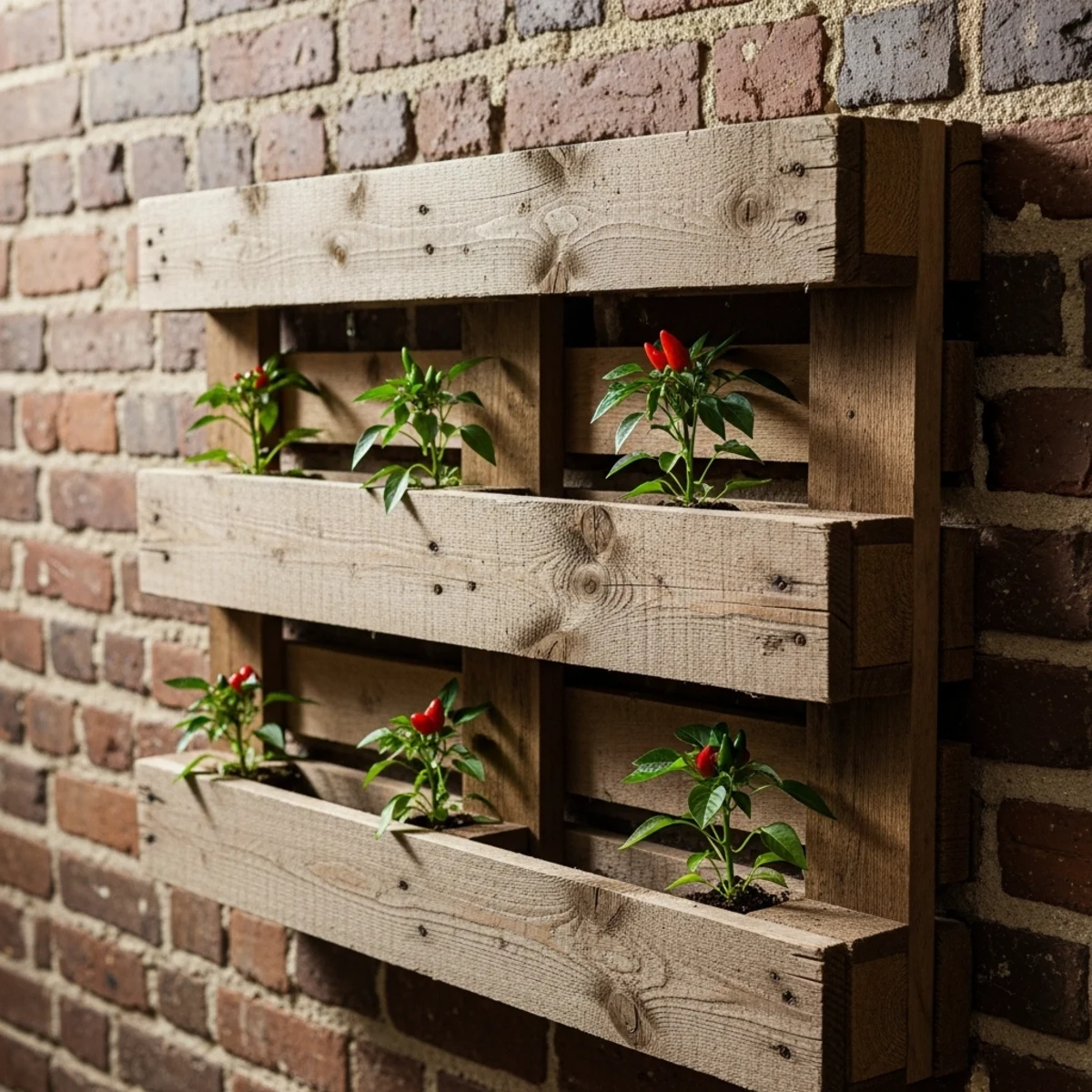
Repurposing heat-treated wooden pallets into vertical wall planters allows urban gardeners to cultivate dozens of pepper plants against sunny exterior fences or shed walls. The vertical orientation elevates fruits off wet soil, deters crawling insects, and creates a living edible green tapestry.
Mini Cold-Frame Greenhouse for Early Seedlings
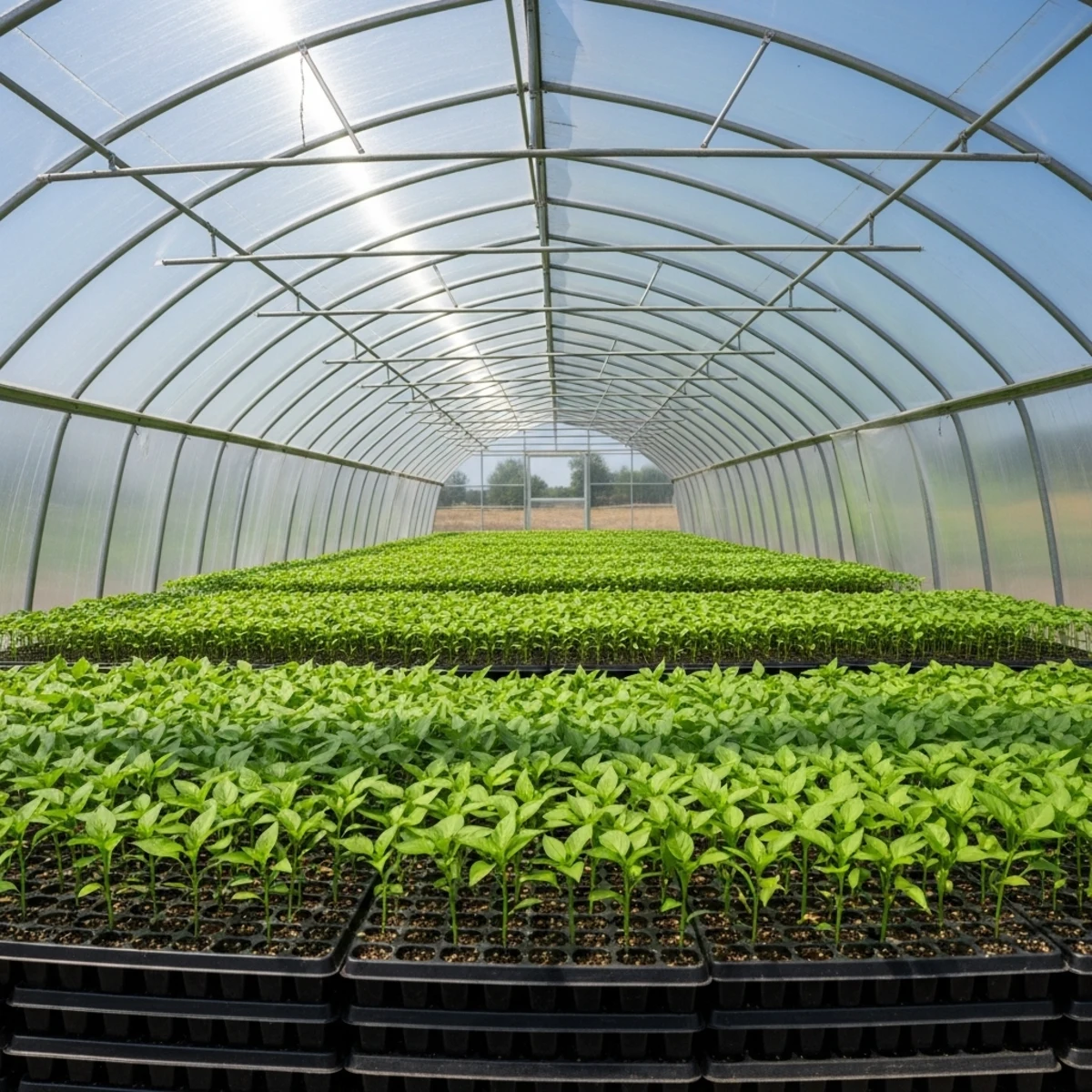
In Zone 6b, long-season chilies require every possible growing degree day. Installing a compact cold frame or mini hoop greenhouse over raised beds shields tender young transplants from brisk May coastal winds, warms the surrounding soil rapidly, and permits harvesting deep into crisp November.
Drip-Irrigated Precision Pepper Raised Bed
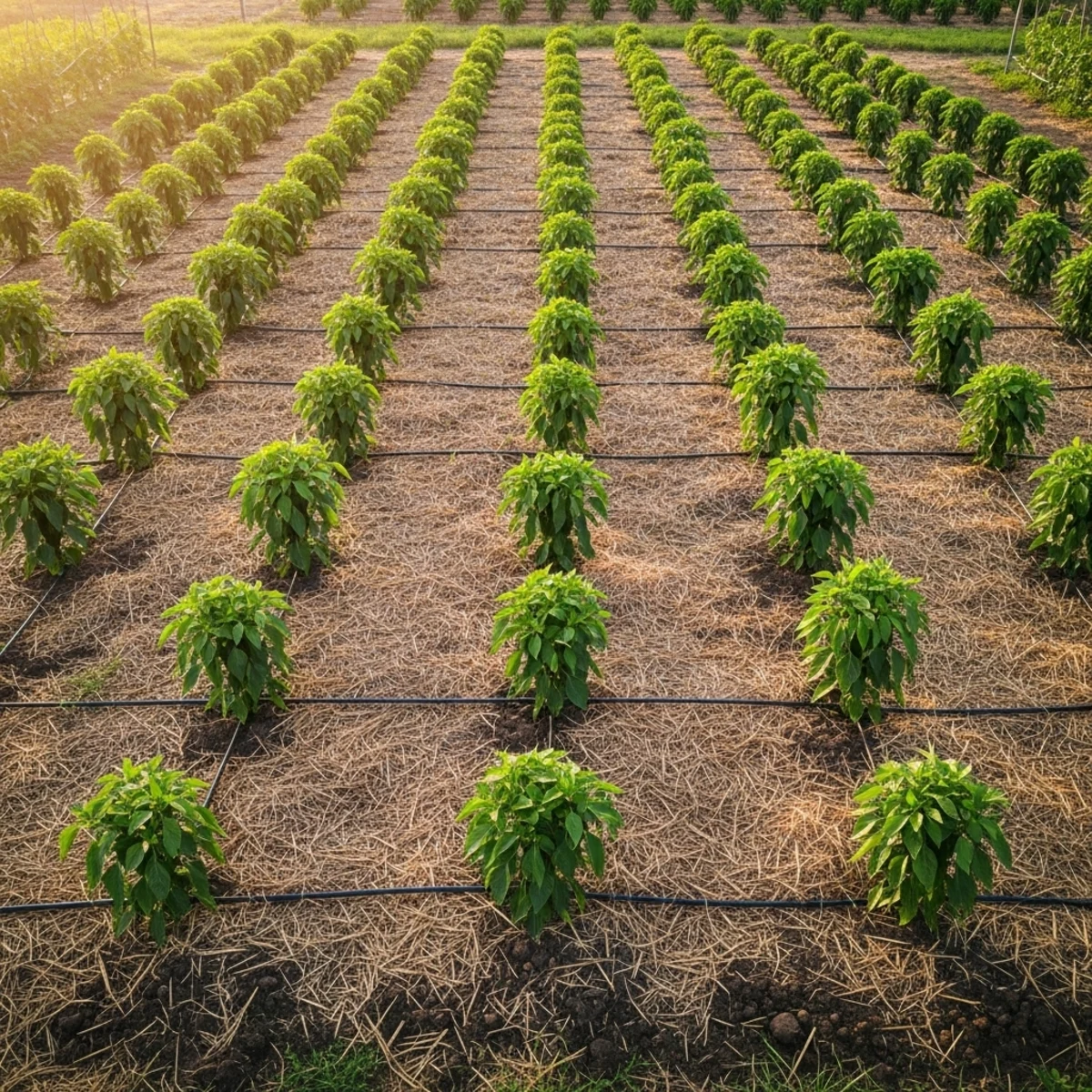
Overhead sprinkling encourages fungal leaf spot and powdery mildew on pepper foliage. Installing low-pressure inline drip irrigation lines under organic shredded bark delivers consistent moisture straight to root zones, eliminating fungal spread while reducing total outdoor landscape water consumption by up to 50%.
Circular Habanero Fire Ring Garden
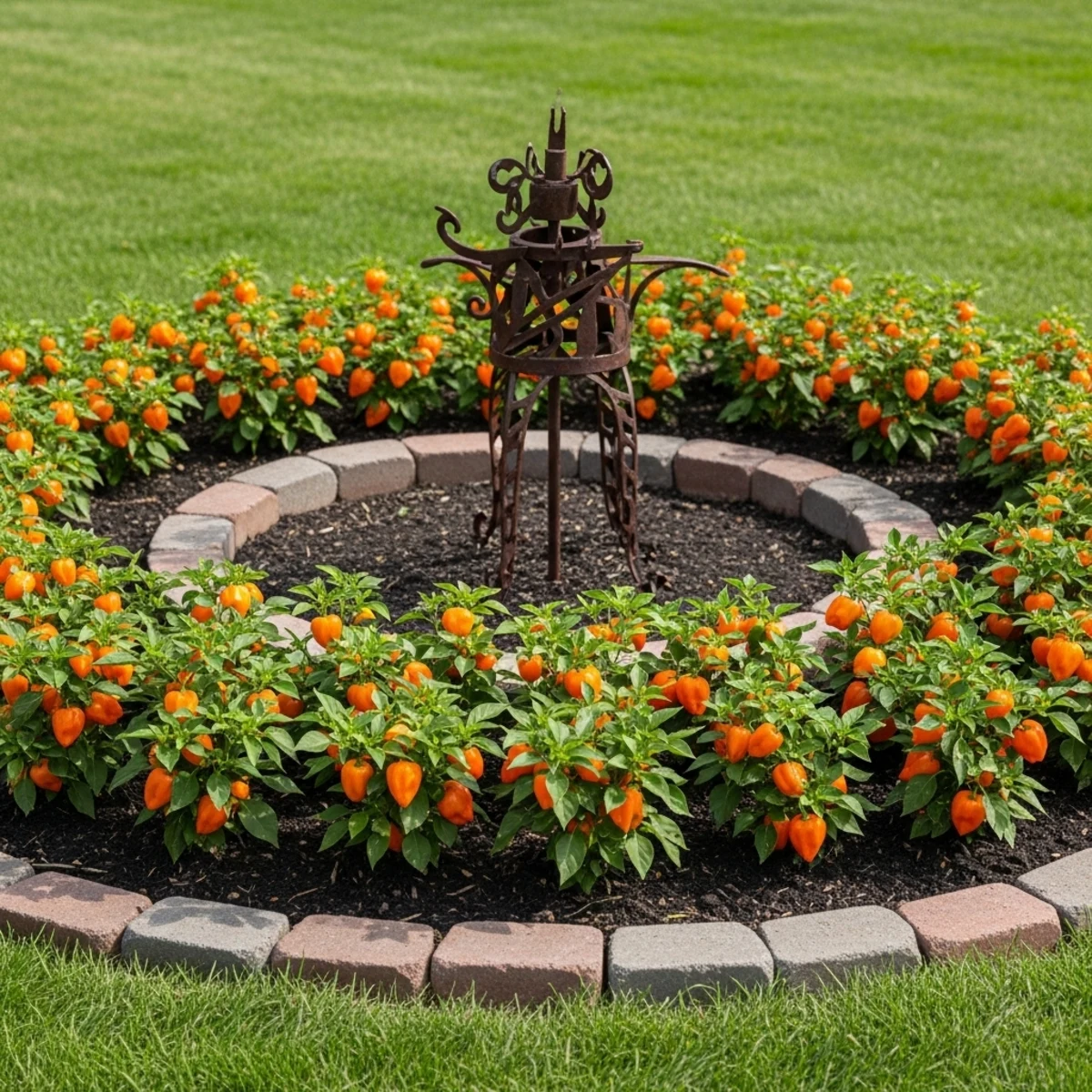
Repurposing an outdoor steel or stone fire ring into a dedicated circular pepper planter creates a striking central focal point in backyard landscapes. Surrounding the perimeter with dark volcanic lava rock mulch absorbs solar warmth, retaining radiant root heat long after sunset.
DIY Staggered 5-Gallon Bucket Pepper Tower
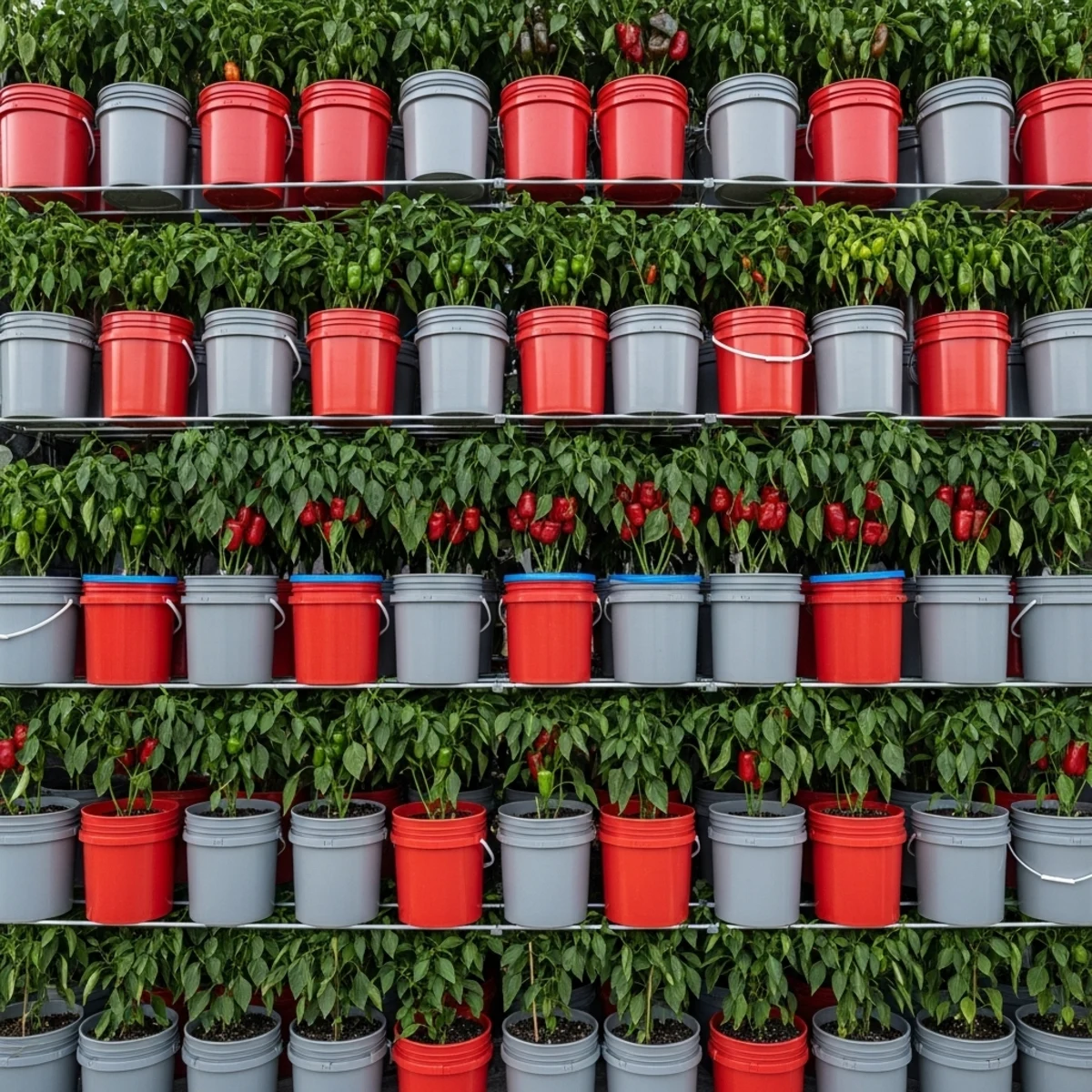
Staggering heavy-duty food-grade buckets drilled with generous base drainage holes allows gardeners with asphalt driveways or paved patios to create high-yielding pepper stations. Each 5-gallon bucket provides ideal root depth for large taproots while keeping crops elevated and easy to manage.
Edible Pepper Hedge & Fence Border
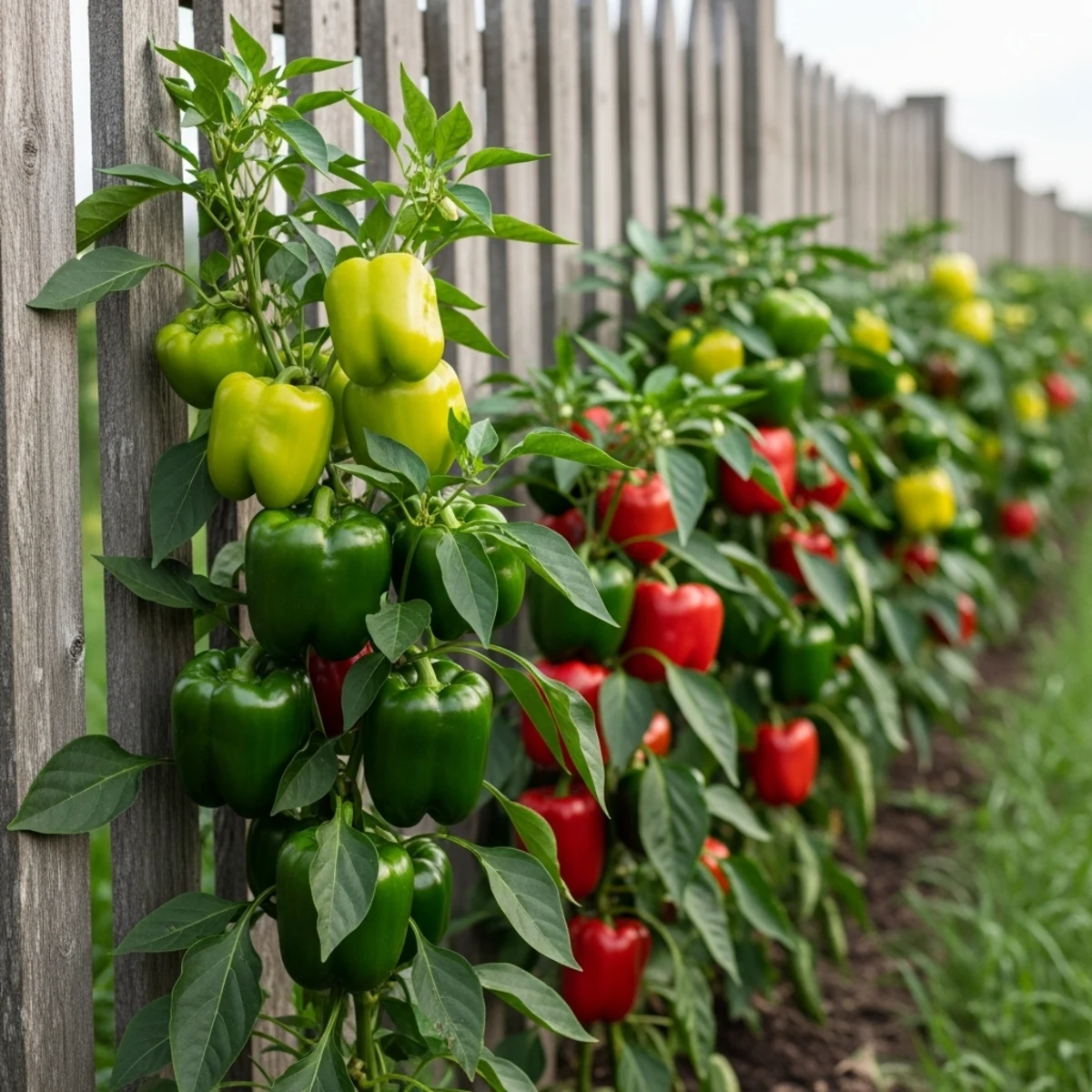
Instead of ordinary boxwoods, plant a continuous hedge of compact, upright peppers like Serrano, Hungarian Wax, or Padrón along sunny front walkways and fence lines. The glossy dark green foliage forms an attractive formal hedge, accented by hundreds of colorful, spicy edible jewels from July through October.
The 'Heat Scale Lane' Educational Garden Path
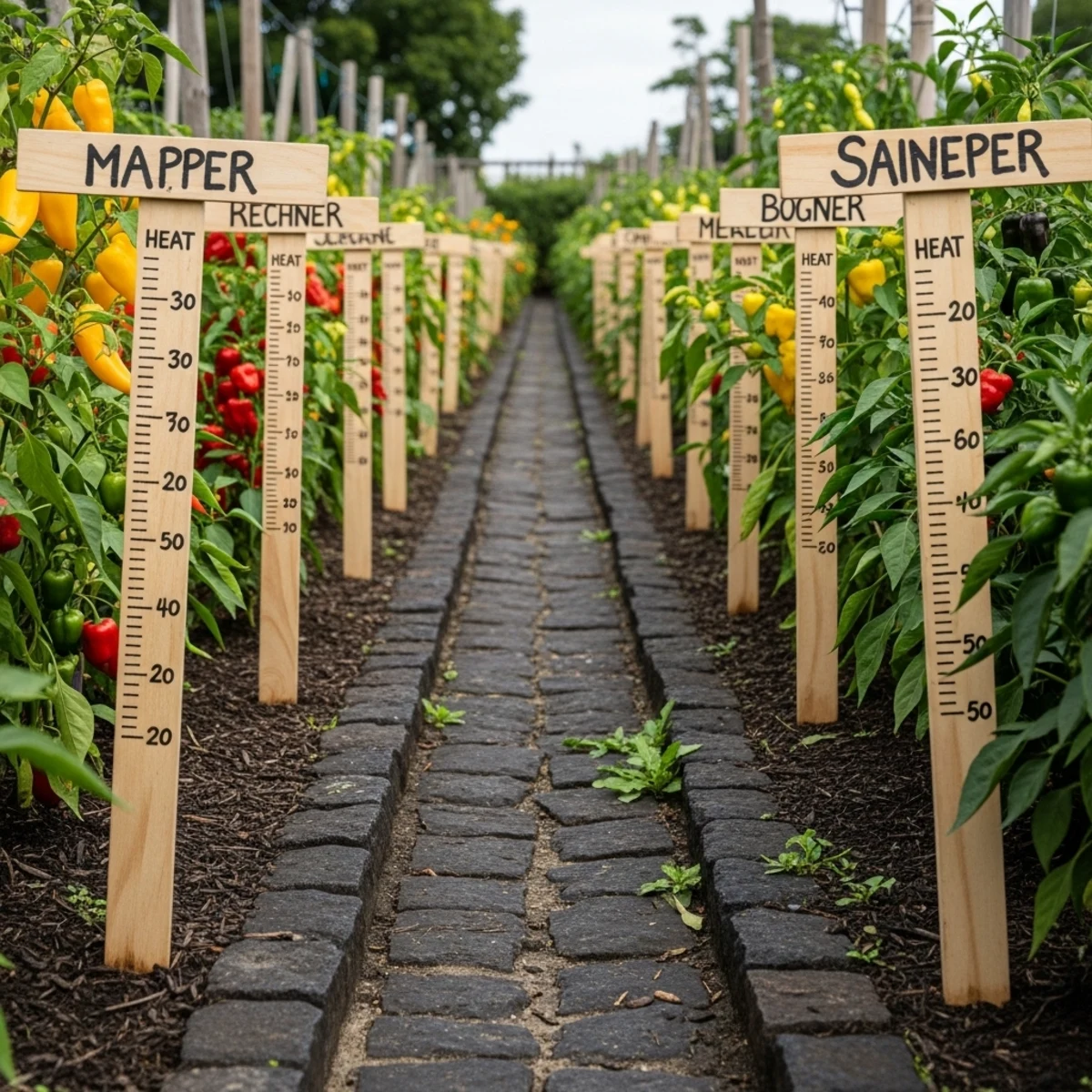
Design an entertaining, educational walking trail where plants are ordered strictly by their Scoville rating—from sweet Italian peppers (0 SHU) and poblanos (1,500 SHU) to jalapeños, serranos, habaneros, and ghost peppers. Pair each station with custom engraved wooden plant markers noting origin and culinary uses.
Arched Metal Trellis Chili Tunnel Walkway
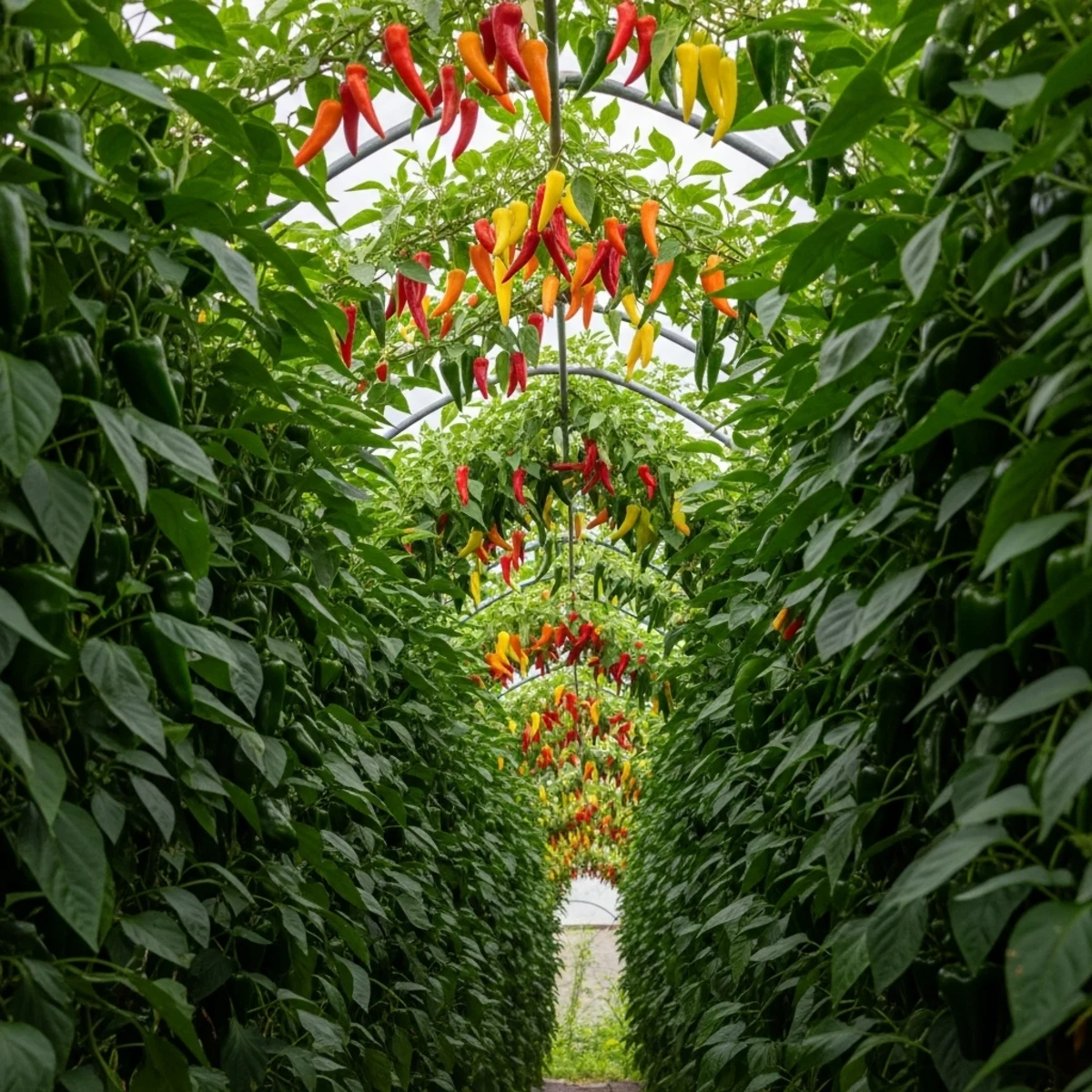
Training vigorous, tall-growing pepper species such as Capsicum baccatum (Aji Amarillo and Lemon Drop) up arched galvanized metal cattle panels creates an unforgettable living tunnel. Colorful peppers hang downward through the wire mesh overhead, creating effortless eye-level harvesting.
Dedicated Pepper Seedling Nursery Station
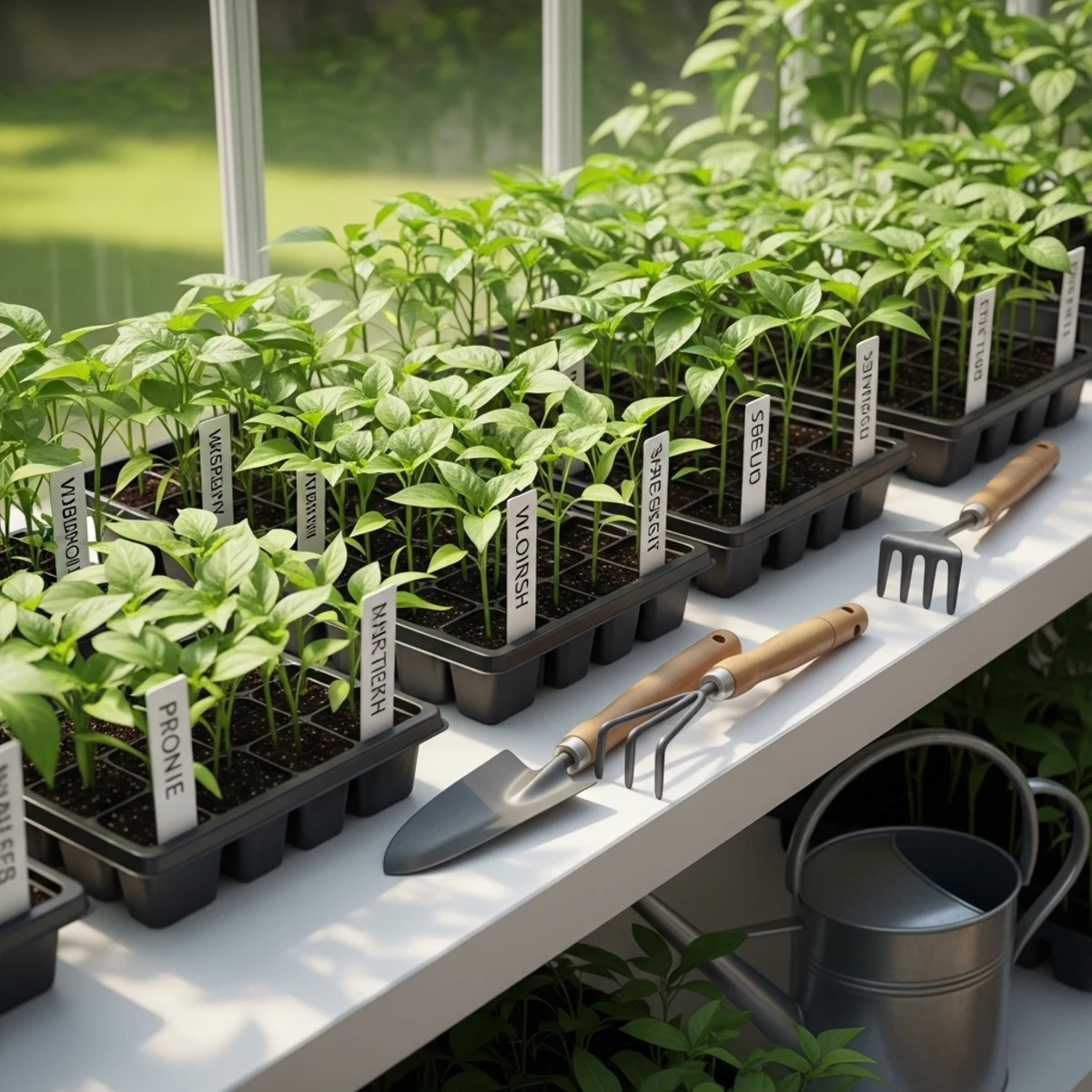
Super-hot pepper seeds can take 3 to 4 weeks to germinate without adequate bottom warmth. A dedicated seed starting station equipped with 80°F electric heat mats, full-spectrum LED fixtures, and gentle oscillating airflow ensures strong, sturdy root development before spring garden hardening off.
Pollinator-Magnet Flower & Pepper Oasis
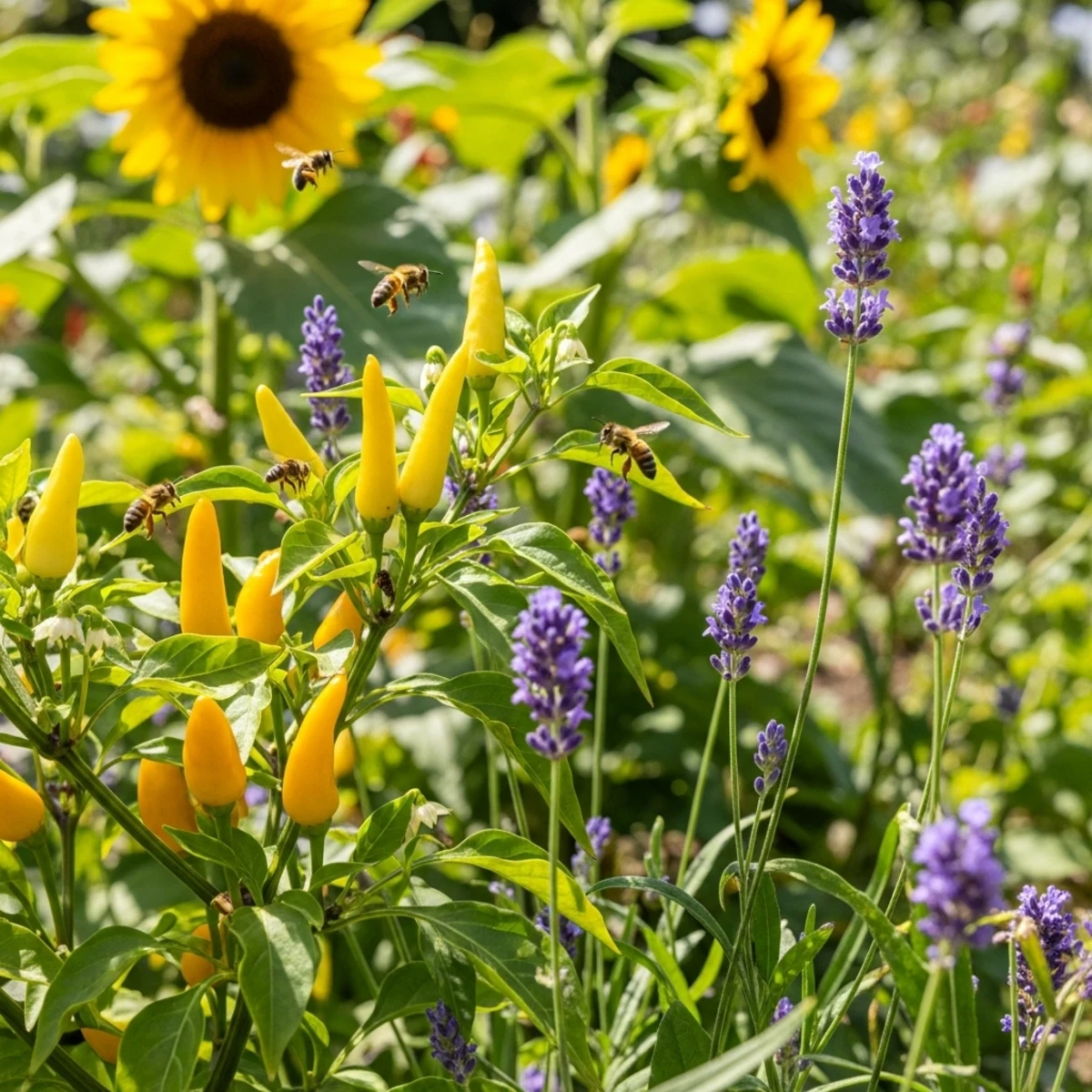
While pepper flowers are self-fertile, native bumblebees and solitary bees dramatically increase fruit yields and pod size through sonic buzz pollination. Bordering pepper beds with vibrant nectar-rich annuals like zinnias, cosmos, and sweet alyssum ensures non-stop bee traffic and maximum fruit set.
Color-Coded Thermal Mulch Rows
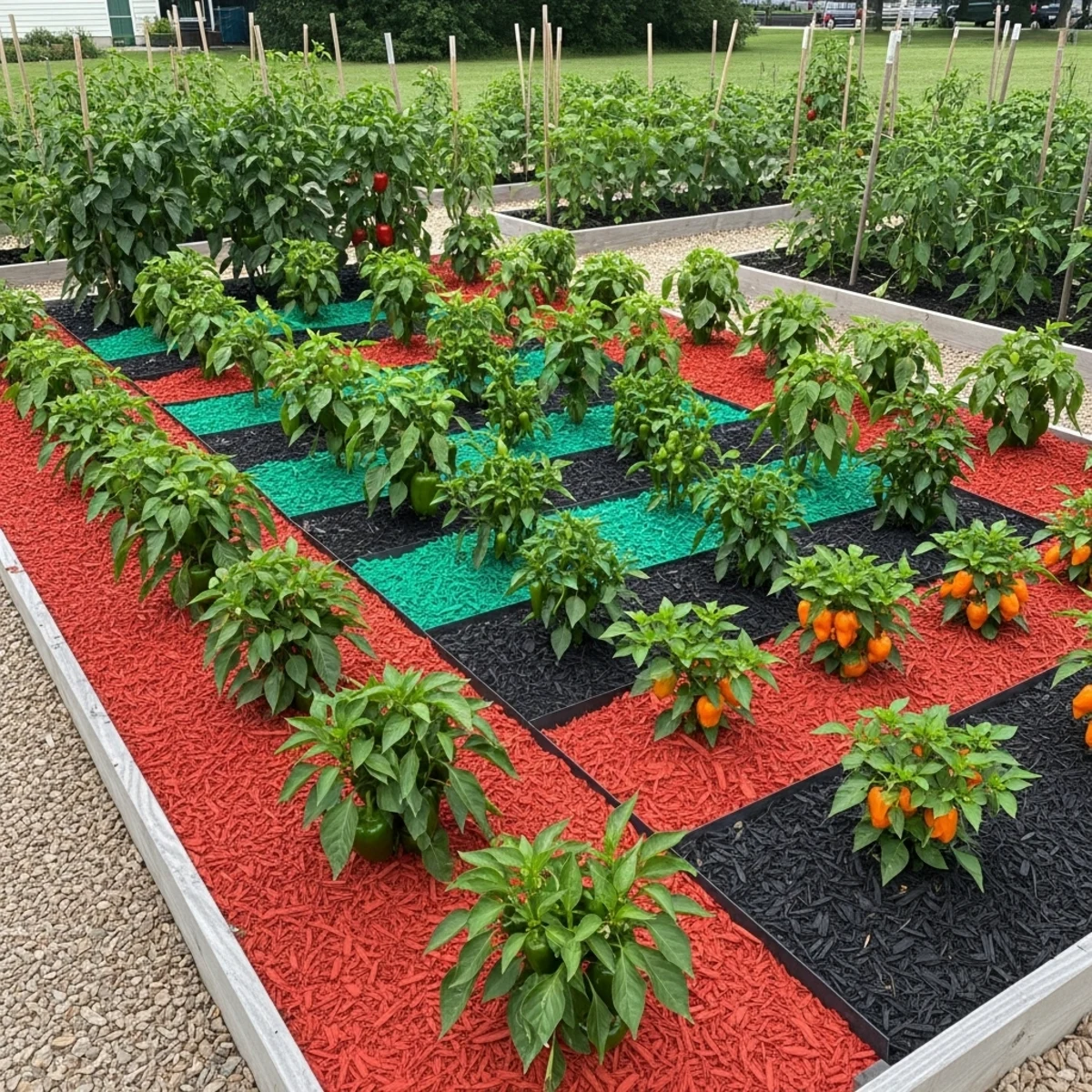
Commercial university research demonstrates that infrared-transmitting red and black plastic mulches reflect specific far-red light wavelengths up into pepper leaves, triggering hormonal growth responses. This horticultural technique warms cool spring soil 4 to 6°F faster and boosts overall fruit production.
Nighttime Pepper Path with Warm Solar Lighting
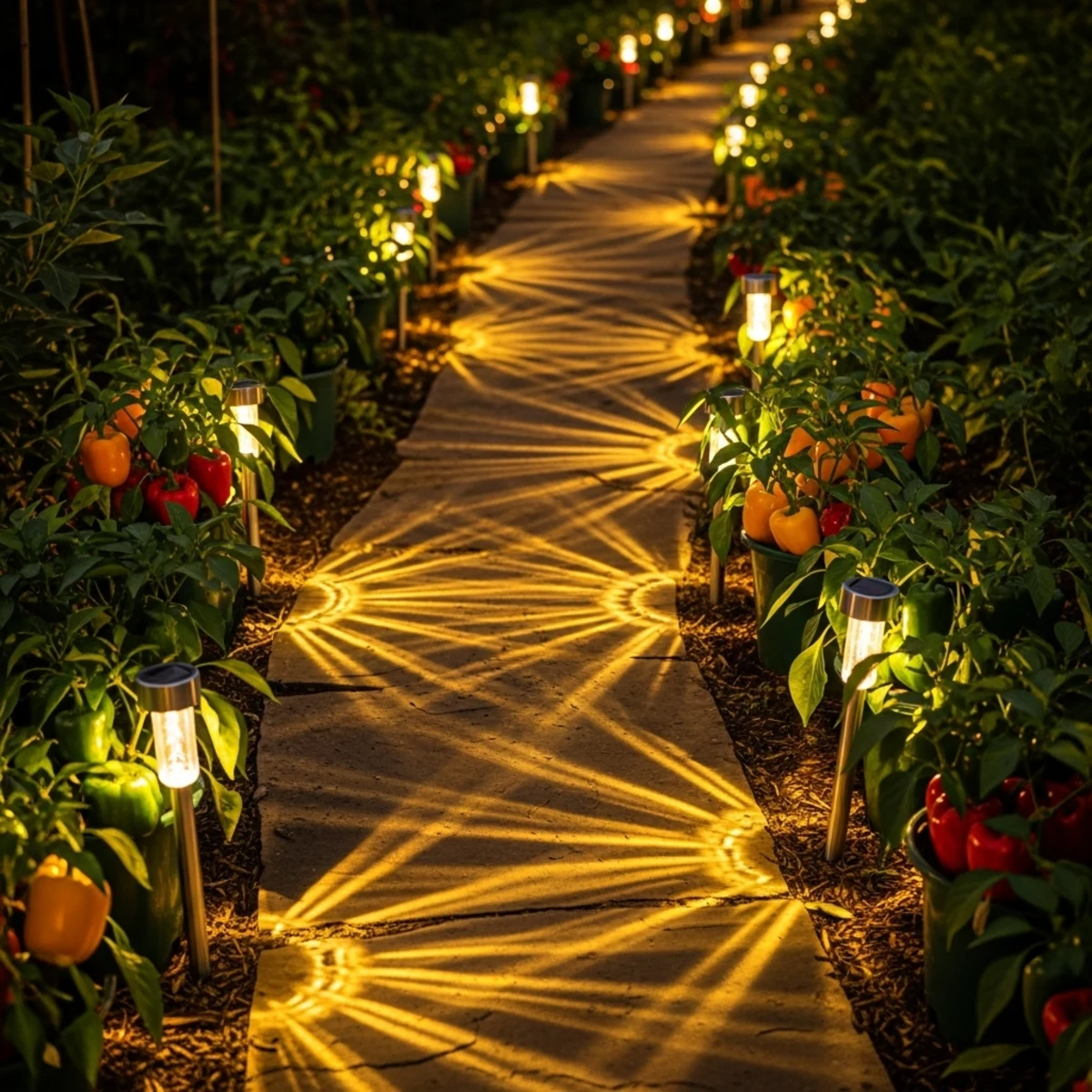
Bring your spicy garden to life after dark by lining pepper paths with warm 2700K solar stake fixtures and subtle under-canopy uplights. The dramatic lighting highlights the architectural branching, glossy foliage, and hanging multi-colored pods, transforming utilitarian vegetable patches into enchanting evening retreats.
Horticultural Masterclass
Core Rules for Thriving Pepper Harvests in Massachusetts
Soil Warming Priority
Never transplant peppers into cold soil. Use dark raised beds or black mulch to warm root zones above 65°F before planting.
Root-Zone Watering
Deliver irrigation directly to base soil using drip emitters. Wetting leaves invites fungal blight and drops blossoms.
Strategic Stress
Slightly reducing water once fruit sets triggers protective capsaicin spikes, resulting in noticeably hotter, tastier chilies.
Expert Knowledge
Frequently Asked Questions About Growing Spicy Peppers
01When is the best time to plant hot pepper seedlings outdoors in Massachusetts Zone 6b?
Peppers are extremely sensitive to cold soil. In Essex County and greater Boston, wait until late May or early June after all danger of frost has passed and night temperatures consistently exceed 55°F (13°C) and soil temperatures reach at least 65°F (18°C).
Explore residential garden bed design and soil preparation →
02How many hours of direct sunlight do spicy pepper plants need for maximum heat?
Hot chili peppers—including habaneros, jalapeños, and ghost peppers—require a minimum of 6 to 8 hours of unfiltered direct sunlight daily. Maximum sun exposure and slight summer water stress increase capsaicin production, making peppers significantly spicier.
03Can super-hot peppers like Ghost Pepper and Carolina Reaper cross-pollinate with sweet bell peppers?
Yes, Capsicum varieties cross-pollinate easily via bees and wind. While cross-pollination will not affect the taste or heat of the current season's fruit, seeds saved from those peppers will produce unpredictable hybrid plants with altered heat levels next year.
04What companion plants grow best with hot peppers in raised beds?
Basil, marigolds, onions, garlic, and nasturtiums make ideal companion plants. Basil enhances vigor and flavor, marigolds suppress root-knot nematodes and aphids, and alliums deter common garden pests naturally without chemical pesticides.
05What is the best soil mix for growing peppers in patio containers and raised beds?
Use a well-draining, lightweight blend composed of 50% premium organic compost, 30% peat moss or coconut coir, and 20% coarse perlite or vermiculite. Aim for a slightly acidic soil pH between 6.0 and 6.8 with adequate calcium to prevent blossom end rot.
06How often should outdoor spicy pepper plants be watered in hot weather?
Water deeply 1 to 2 times per week rather than daily shallow sprinkling, delivering roughly 1 to 1.5 inches of water weekly. Allow the top 2 inches of soil to dry out between waterings to encourage deep taproot development and prevent root rot.
07Why do hot pepper flowers drop off before forming fruit?
Flower drop is typically triggered by extreme temperature fluctuations (nights below 55°F or daytime spikes above 90°F), excessive nitrogen fertilizer which stimulates leaves instead of flowers, or inconsistent watering during bud development.
08How can I overwinter my favorite hot pepper plants indoors in New England?
Before the first autumn frost in October, prune pepper plants back to main structural stems (leaving 6-8 inches), rinse root balls thoroughly of garden soil, repot in clean sterile potting mix, and place in a cool, sunny window or under supplemental LED grow lights.
Ready to Build High-Yield Custom Raised Beds and Patio Planters?
Our master landscape craftsmen design and install custom cedar garden boxes, stone garden spirals, and automated drip irrigation systems across Peabody, Salem, and Beverly.
Get connected with an independent local landscaping professional. Calls go to (877) 537-6896.