Edible Landscaping · High-Density Fruit Layouts
20 Must-Try Backyard Orchard Ideas for Small Yards
Growing a productive backyard orchard in a small suburban yard requires four strategic decisions: (1) choosing dwarfing rootstocks (like M27, G.11, or Gisela 5) that limit tree height to 6 to 9 feet, (2) training trees against two-dimensional planes like fence espaliers or tight 3-foot hedgerows, (3) planting cross-compatible or self-fertile cultivars adapted to New England cold hardiness (USDA Zone 6b) with 800+ winter chill hours, and (4) amending native acidic glacial soils with dolomitic lime to reach a balanced 6.2 to 6.8 pH. With proper summer pruning, even a modest 20-foot fence border can yield 150 to 250 pounds of fresh fruit annually.
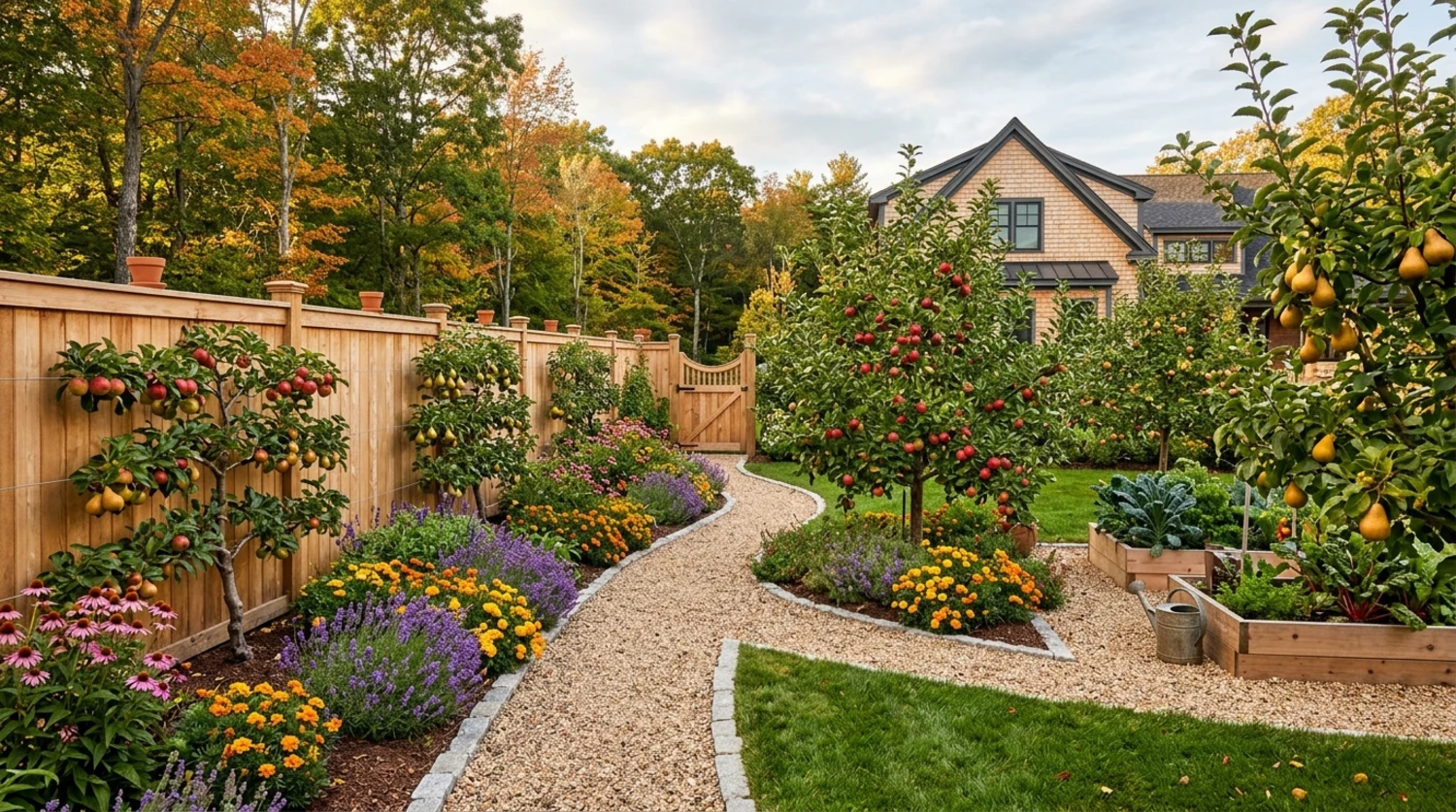
Why Backyard Orchards Are Transforming Suburban Landscaping
For decades, traditional landscaping relegated fruit trees to commercial agricultural groves or sprawling countryside properties. Homeowners were told that fruit trees were messy, required unwieldy 30-foot spacing, and demanded 14-foot ladders just to spray or harvest.
Modern horticultural science has completely flipped this paradigm. Through the development of precocious dwarfing rootstocks (developed by institutions like the East Malling Research Station and Cornell Geneva program), fruit trees now channel their energy into early fruit production rather than massive wood canopies. Today, a 6-foot-tall dwarf apple tree produces the exact same high-grade fruit as an ancestral standard tree—without ever requiring a ladder or dominating your lawn.
Horticultural Engineering
Dwarf Fruit Tree Rootstocks: The Secret to Small Yard Success
| Rootstock | Species | Mature Height | Spacing Needed | First Harvest | Cold Hardiness | Best Suburban Application |
|---|---|---|---|---|---|---|
| M27 (Mini-Dwarf) | Apple | 4–6 ft | 4–5 ft | Year 2 | USDA Zone 4–8 | Patio containers, step-overs & tiny courtyard gardens |
| Geneva 11 / G.11 | Apple | 7–9 ft | 5–6 ft | Year 2–3 | USDA Zone 4–7 | Fire blight resistant, high-density hedgerows & espaliers |
| Budagovsky 9 (Bud 9) | Apple | 6–8 ft | 5–6 ft | Year 2–3 | USDA Zone 3–7 (Extreme cold) | Severe Massachusetts winters, wind-exposed hillside lots |
| Quince C | European Pear | 8–10 ft | 6–8 ft | Year 3 | USDA Zone 5–8 | Horizontal fence espalier pears, compact garden borders |
| Gisela 5 | Sweet & Tart Cherry | 8–10 ft | 7–9 ft | Year 3 | USDA Zone 4–8 | Dwarf sweet and pie cherries, easy netting against birds |
| Krymsk 1 | Plum & Peach | 7–9 ft | 6–8 ft | Year 2–3 | USDA Zone 4–8 | Compact stone fruit, excellent adaptation to heavy North Shore soils |
Inspirational Designs
20 Must-Try Backyard Orchard Ideas for Every Yard Size
Ultra-Dwarf Apple Patio Barrels
Container OrchardingPlant ultra-dwarf apple trees grafted onto M27 rootstock inside 20-to-25-gallon glazed ceramic pots or cedar half-barrels. Position them in full sun on your stone patio, keeping mature heights under 6 feet for effortless hand picking.
Horizontal T-Bar Espalier Along Boundary Fences
Vertical Wall Training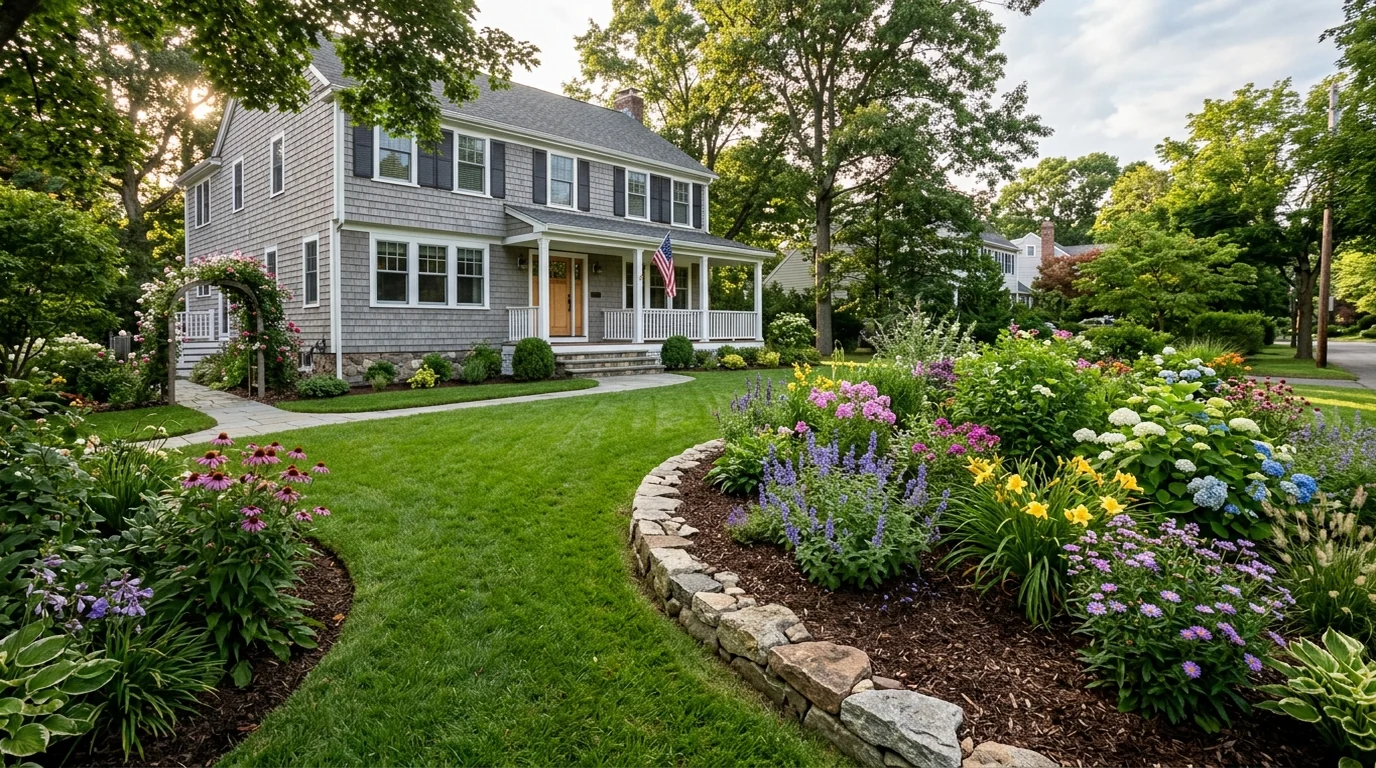
Train multi-tier horizontal branches along heavy-gauge galvanized wires anchored to your boundary fence posts. Each tier receives unobstructed southern sunlight, producing exceptional fruit size and sugar concentration.
Multi-Grafted 4-in-1 'Fruit Salad' Family Trees
Space Optimization
A single rootstock grafted with four compatible apple or stone fruit cultivars solves pollination dilemmas for small backyards. Enjoy early-season harvest in August followed by crisp baking apples straight through late October.
High-Density Backyard Hedgerow (Pedestrian Orchard)
Hedgerow Layouts
Adopt commercial pedestrian orchard spacing by planting dwarf fruit trees just 36 to 48 inches apart in a linear hedge. Regular summer pruning keeps canopy height under 7 feet, eliminating the need for ladders during harvest.
Step-Over Fruit Tree Borders Around Raised Beds
Edible Bed Edging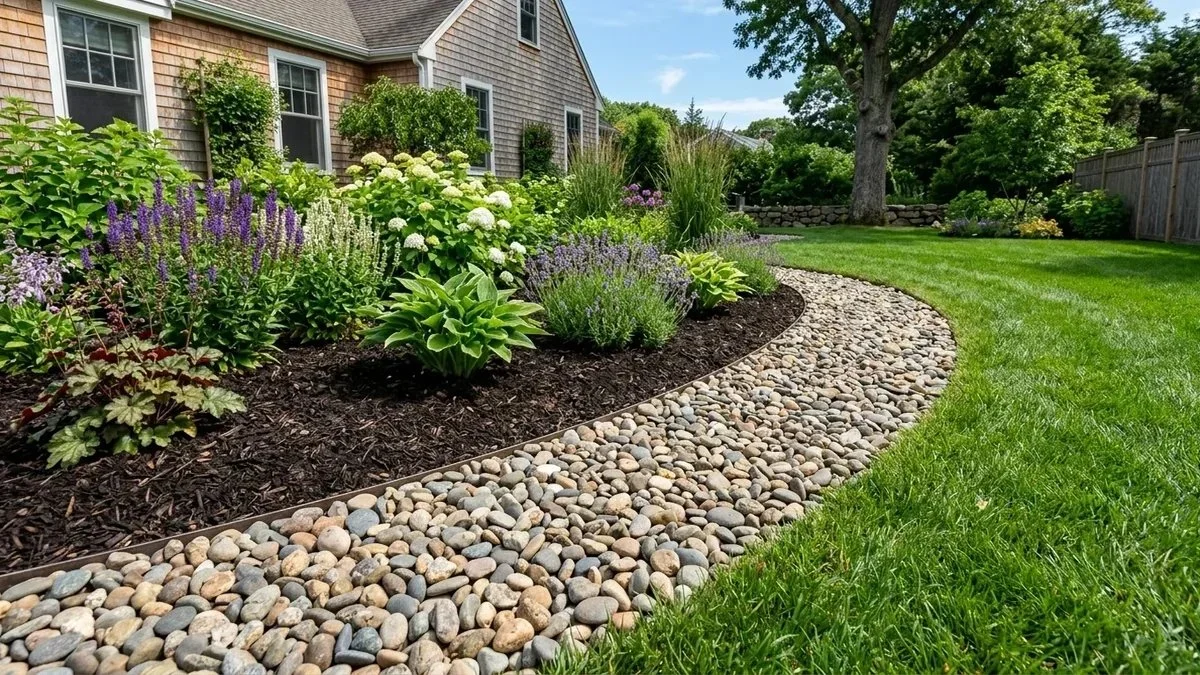
Trained to a single horizontal cordon wire just 15 to 18 inches above the ground, step-over apples create architectural edging around raised kitchen gardens, producing full-sized fruit at knee level without blocking garden views.
Belgium Fence Diamond Lattice Trellis
Living Architecture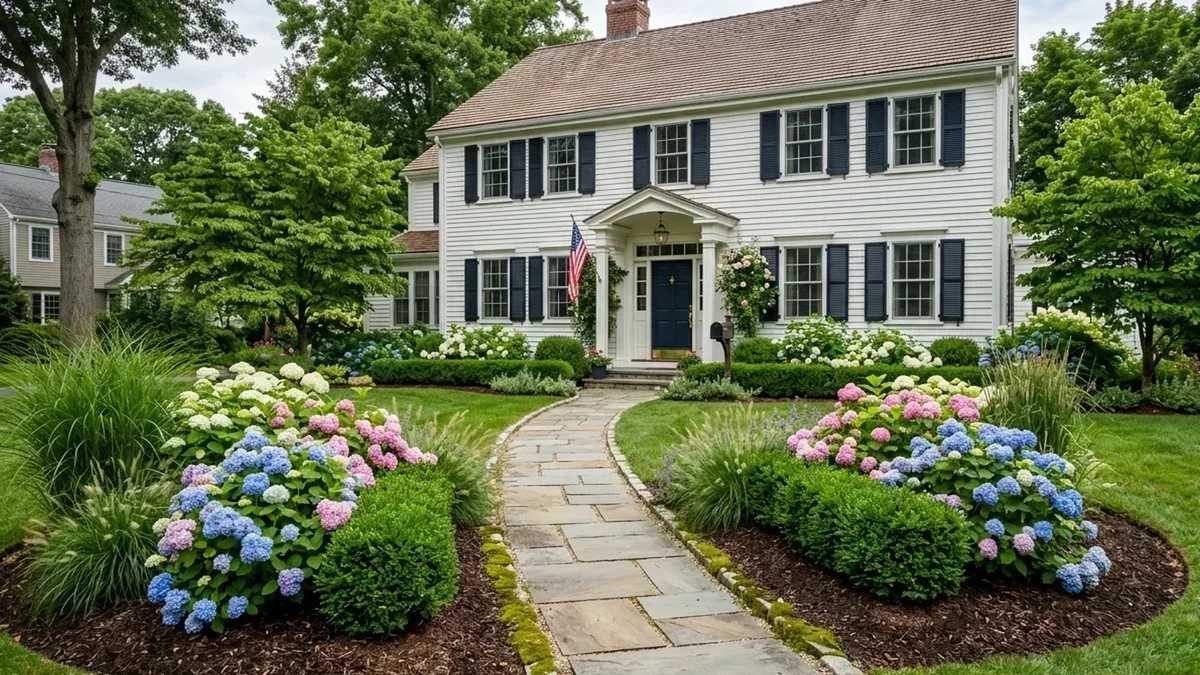
Plant young whip trees at 45-degree opposing angles so their crossing lateral stems graft naturally together into a living diamond lattice. It creates a breathtaking garden focal point during spring blossom.
Fan-Trained Stone Fruit on South-Facing Brick Walls
Microclimate Utilization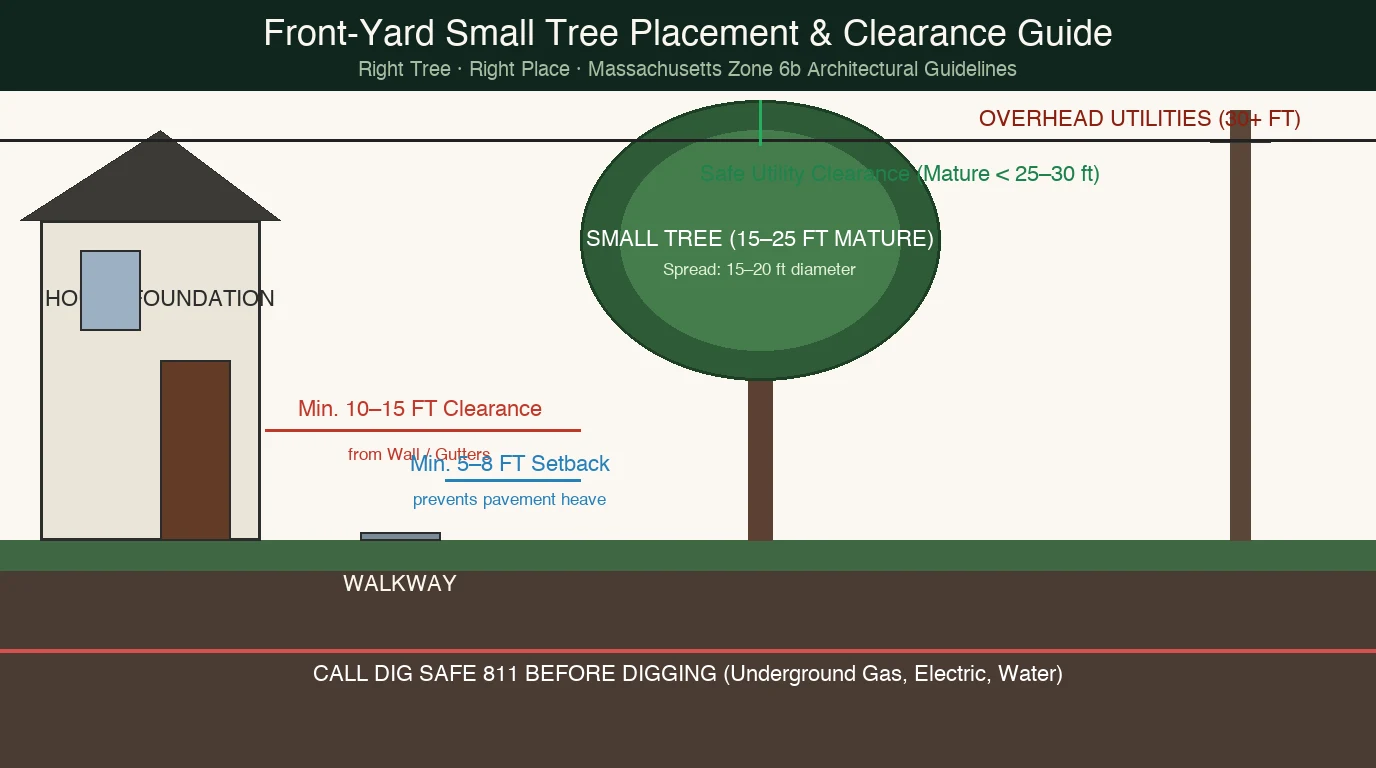
South- or west-facing brick and stone foundations absorb daytime solar radiation and re-radiate warmth overnight. Fan-training cold-hardy peaches or plums against masonry shields sensitive blooms from chilly North Shore frosts.
Columnar Apple Pillars for Compact Patio Corners
Vertical Architectural Trees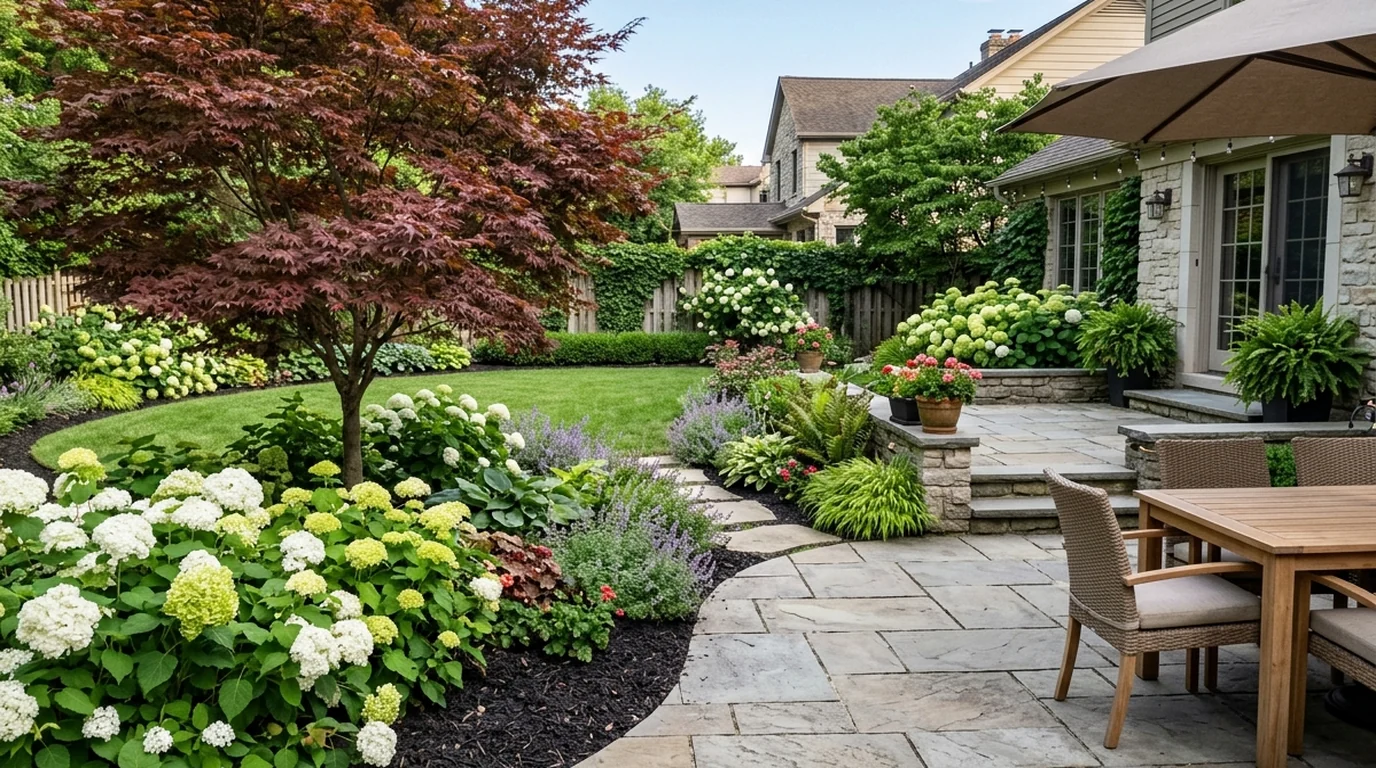
Columnar varieties feature unique genetic internode compression, producing fruit spurs directly along the central trunk. Plant two complementary columnar varieties in decorative corner planters for instant architectural beauty and cross-pollination.
Permaculture Fruit Tree Guild with Beneficial Understory
Ecological Polyculture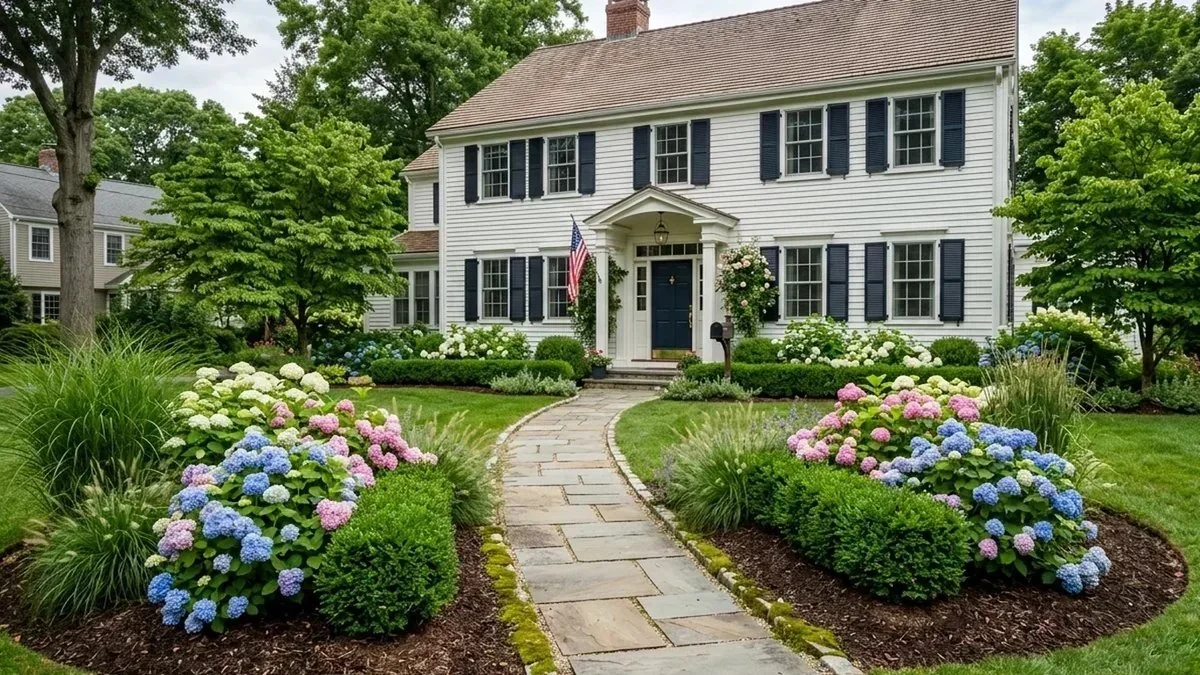
Surround your central fruit tree with deep-root dynamic dynamic accumulators (Russian comfrey), pest-repelling alliums (garlic chives), and spring pollinators (daffodils). Chopping comfrey leaves creates an on-site, potassium-rich organic mulch.
Self-Mulching Native Berry Understory
Multi-Tiered Layering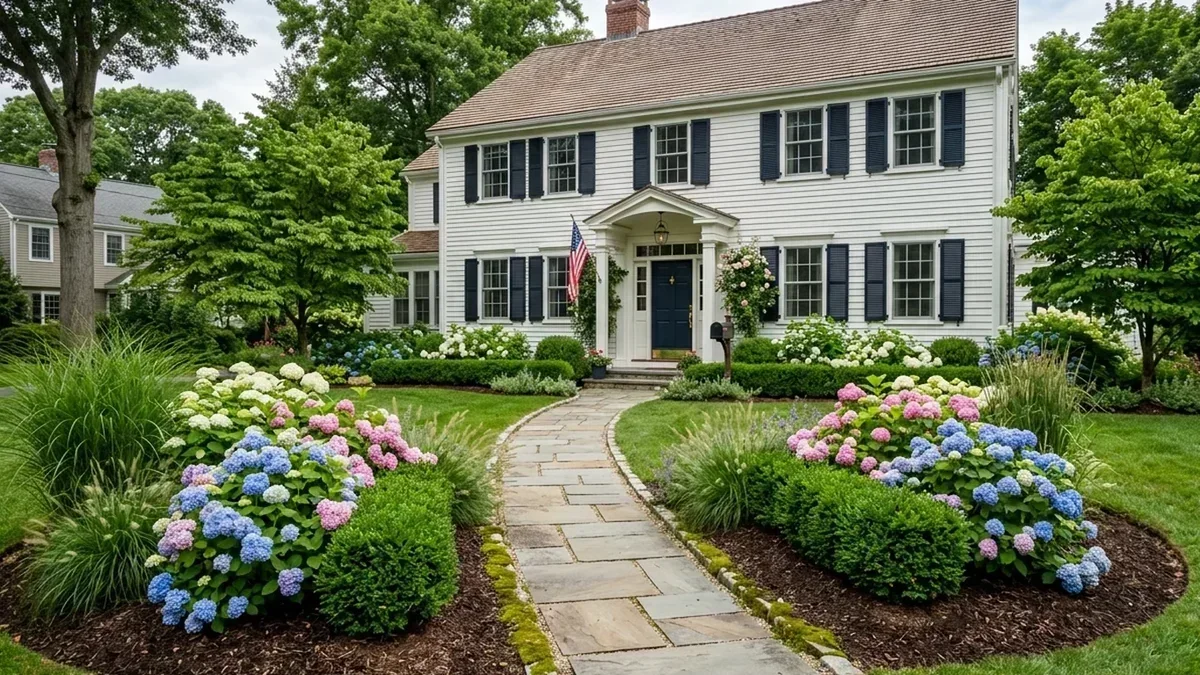
Maximize small suburban yard productivity by underplanting fruit trees with acid-loving native berries. Highbush blueberries and evergreen lingonberries thrive in acidic mulch rings while providing continuous summer fruit.
Cold-Hardy Fig Microclimate Garden Nook
Protected Microclimates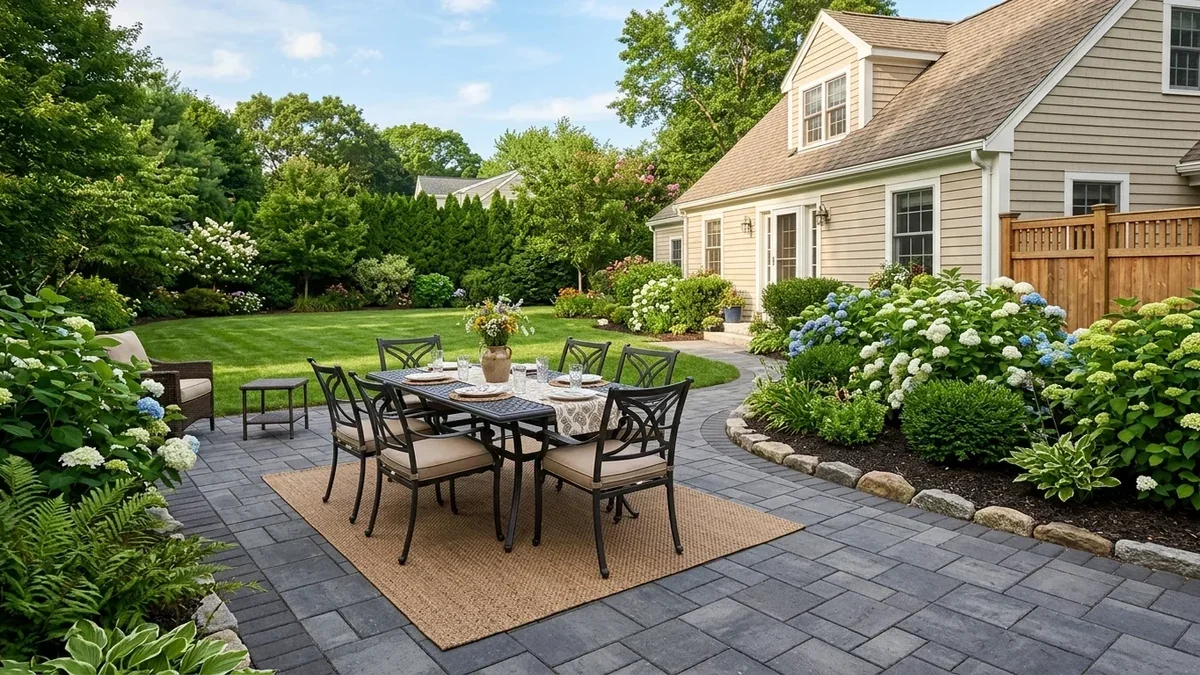
Tuck Chicago Hardy figs into sheltered foundation ells or courtyard nooks sheltered from prevailing winter winds. In November, wrap dormant branches in breathable burlap or prune hard for effortless overwintering.
Vertical Pergola Overhead Grape & Kiwi Canopy
Overhead Trellising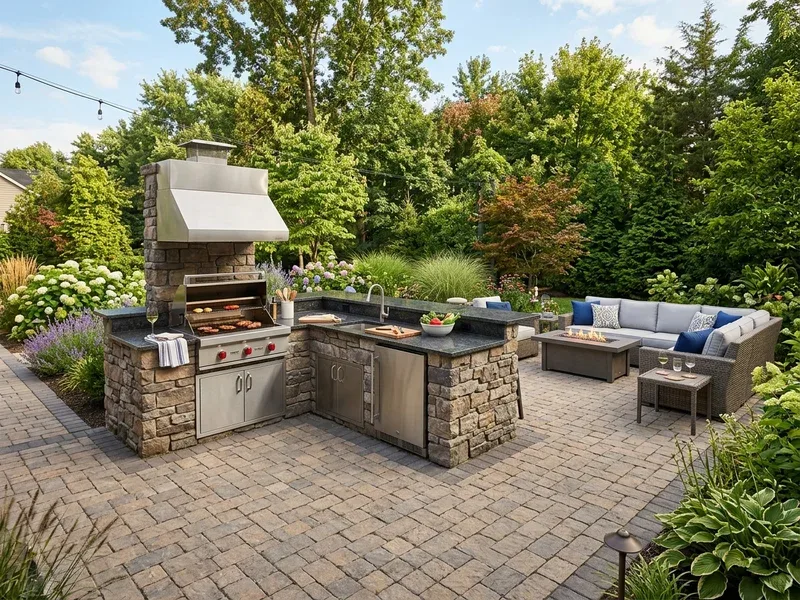
Train vigorous cold-hardy grapevines or hardy kiwi up the vertical posts of an outdoor dining pergola. During August and September, guests can pick fresh clusters directly from the overhead living ceiling.
Pollinator-Integrated Orchard Flagstone Pathway
Landscape Integration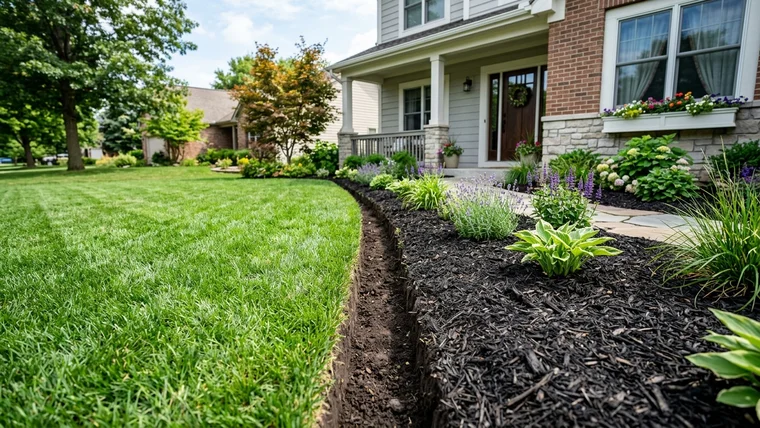
Weave a dry-laid flagstone path between your dwarf fruit trees, filling pavers with step-tolerant creeping thyme and bordering with lavender. Bees drawn to the herbs guarantee superior fruit set across every fruit tree.
Staggered Harvest Succession Orchard
Harvest Scheduling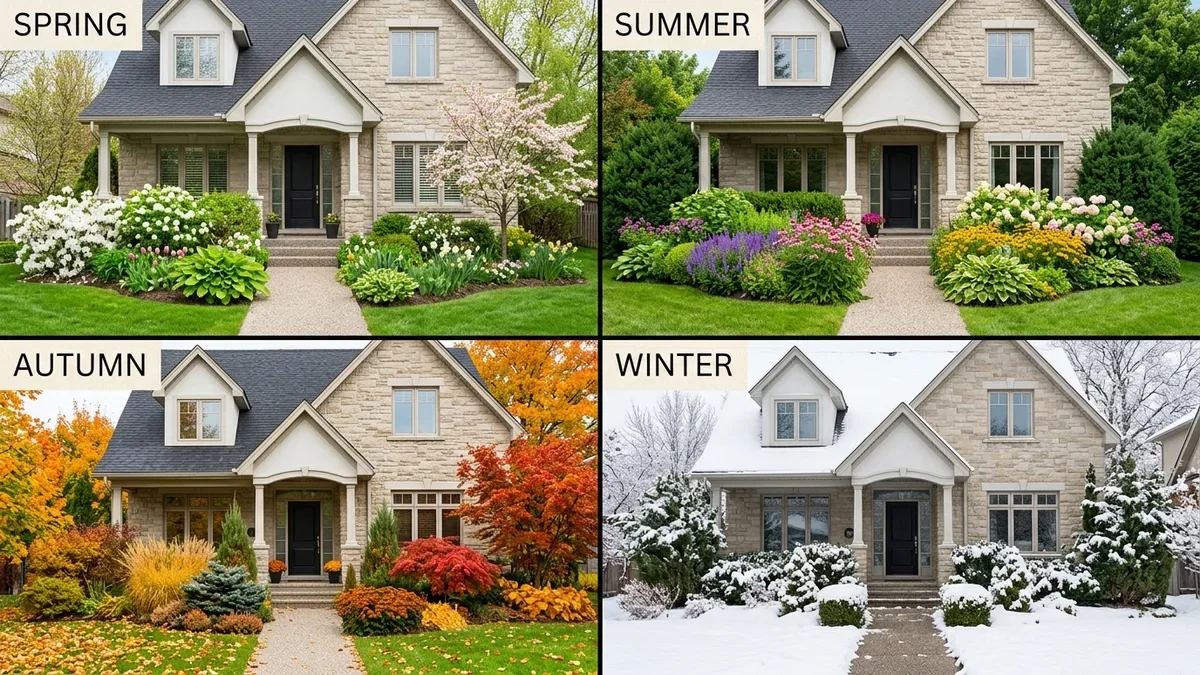
Carefully coordinate tree selection by ripening date. Start picking sweet-tart cherries in mid-July, transition to early pears and peaches in August, and conclude with crisp late-season keeping apples in late October.
Sunken Orchard Seating Patio with Central Fire Feature
Outdoor Living Integration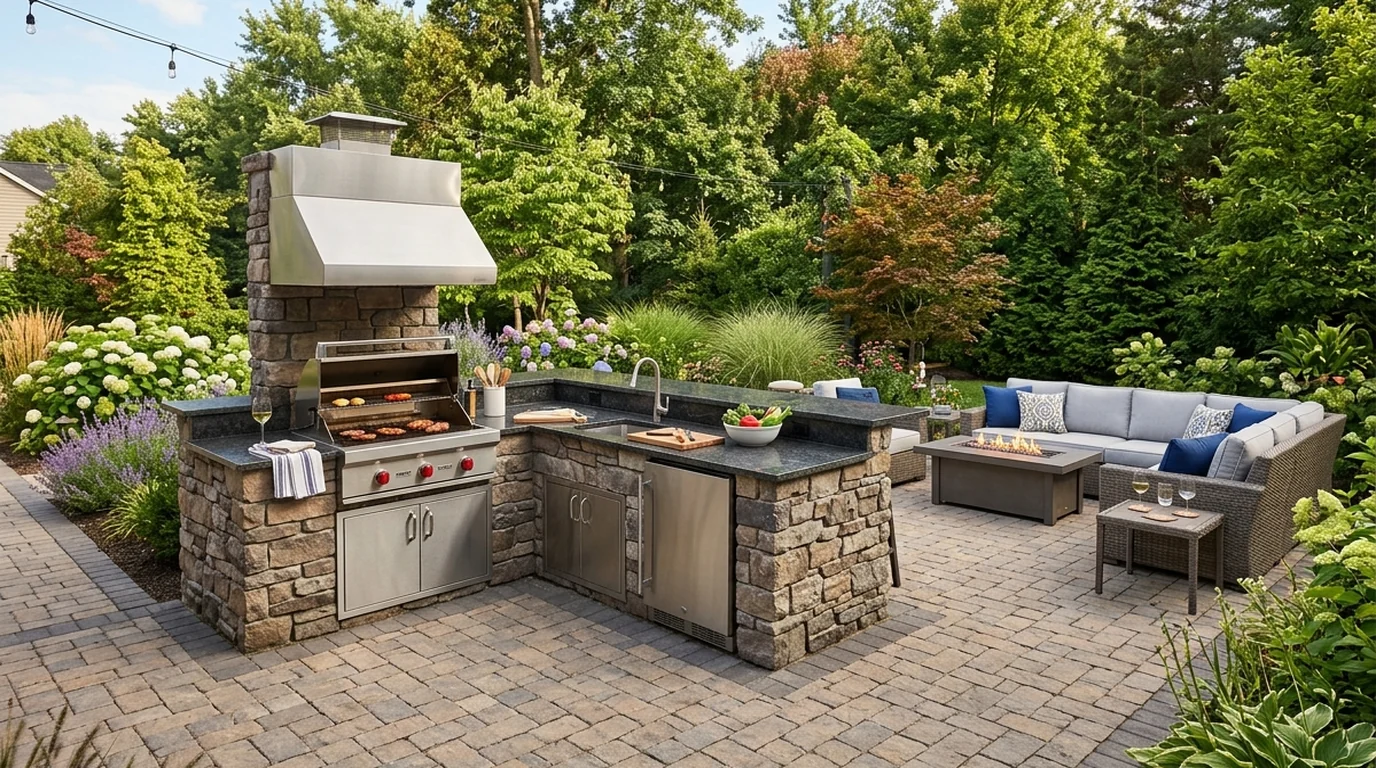
Surround a modern gravel or paver fire pit patio with an outer perimeter arc of fragrant dwarf fruit trees. Spring brings fragrant blossoms to your fireside evenings, followed by lush privacy during summer gatherings.
Raised Cedar Bed Mini-Orchard with Drip Irrigation
Engineered Soil Systems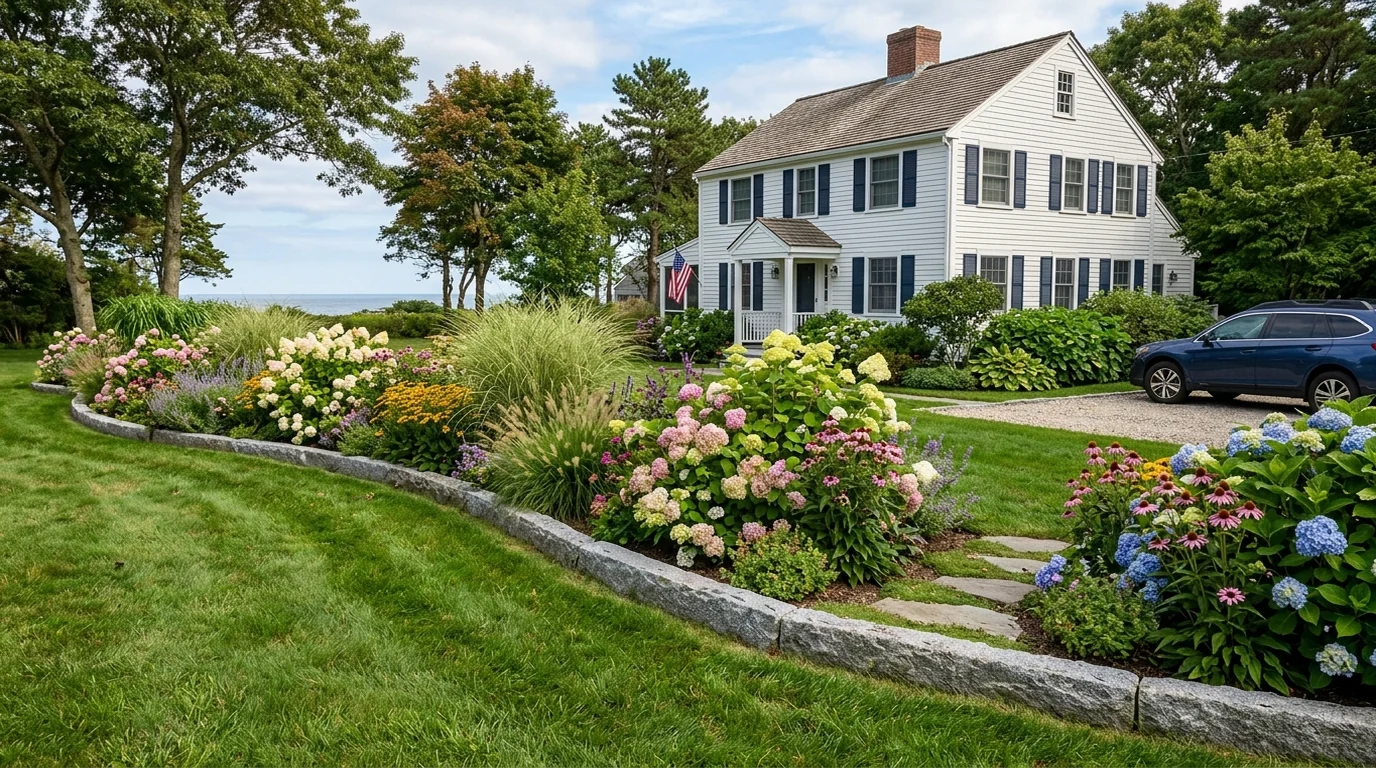
Construct heavy-duty 18-inch cedar raised beds filled with custom loam and organic compost. Integrated sub-surface drip lines deliver water directly to root zones, eliminating fungal foliar diseases.
Potted Citrus Summer Garden & Winter Sunroom Retreat
Indoor/Outdoor Dual Living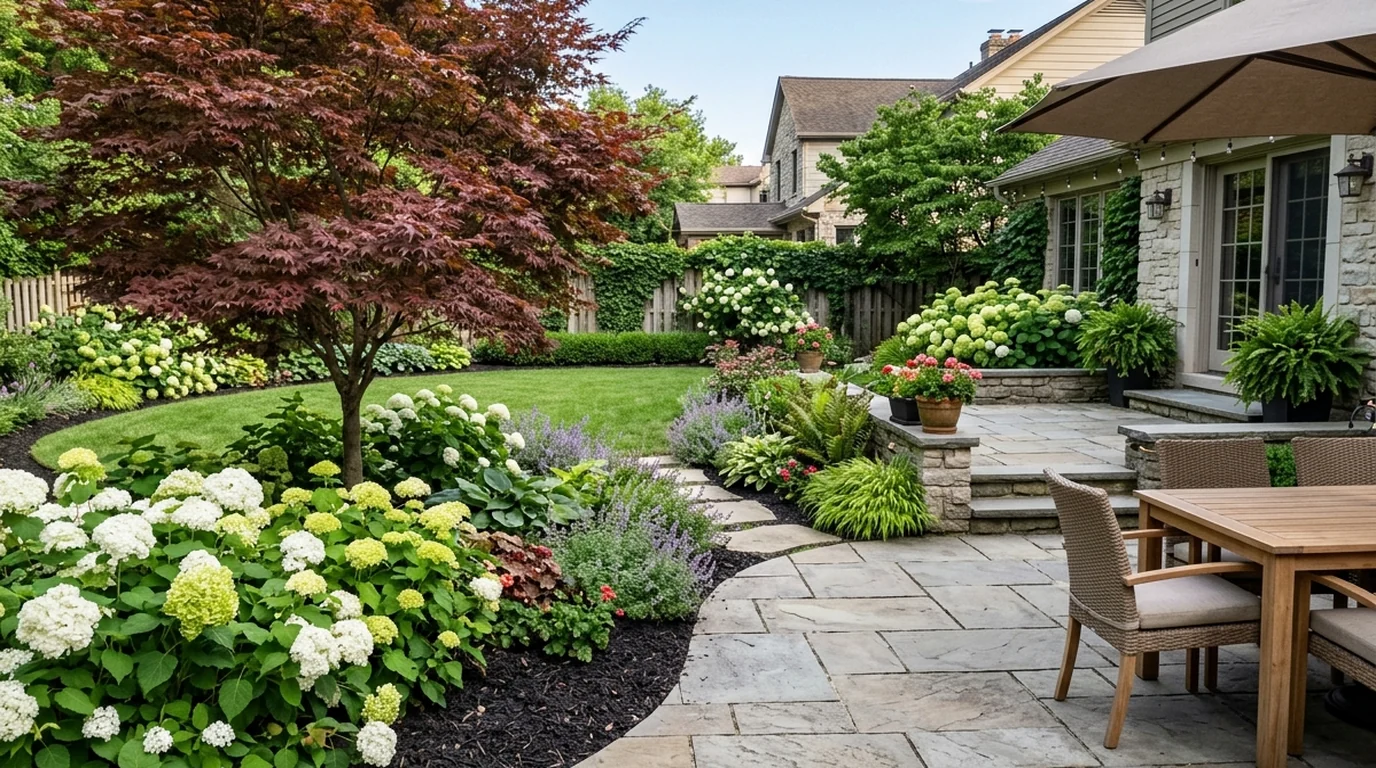
Grow dwarf citrus trees in large pots mounted on heavy-duty caster wheels. Keep them basking on your sunny patio from June through September, then roll them inside to a bright bay window or sunroom for winter harvests.
Native Edible Forest Edge Border
Native Agroforestry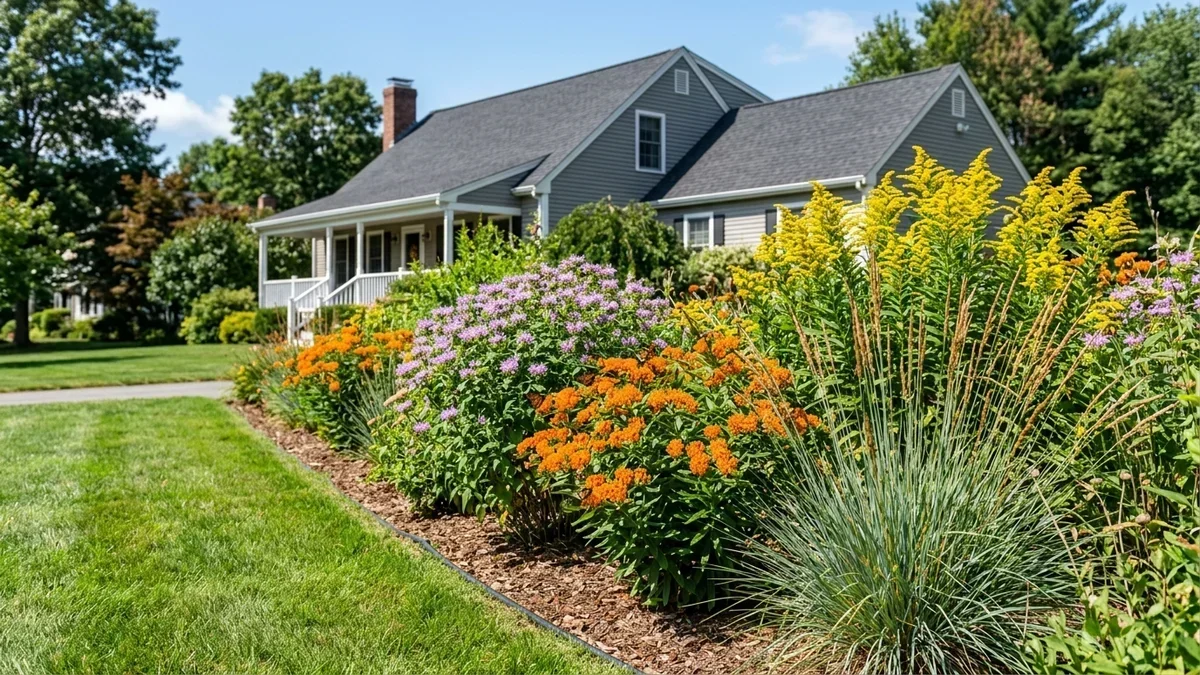
Utilize shaded perimeter borders where European fruit trees struggle. Native serviceberries (Juneberries) taste like rich blueberry-almonds, while understory pawpaws deliver tropical custard flavors with exceptional cold hardiness.
Compact Backyard Heritage Cider Grove
Artisanal Production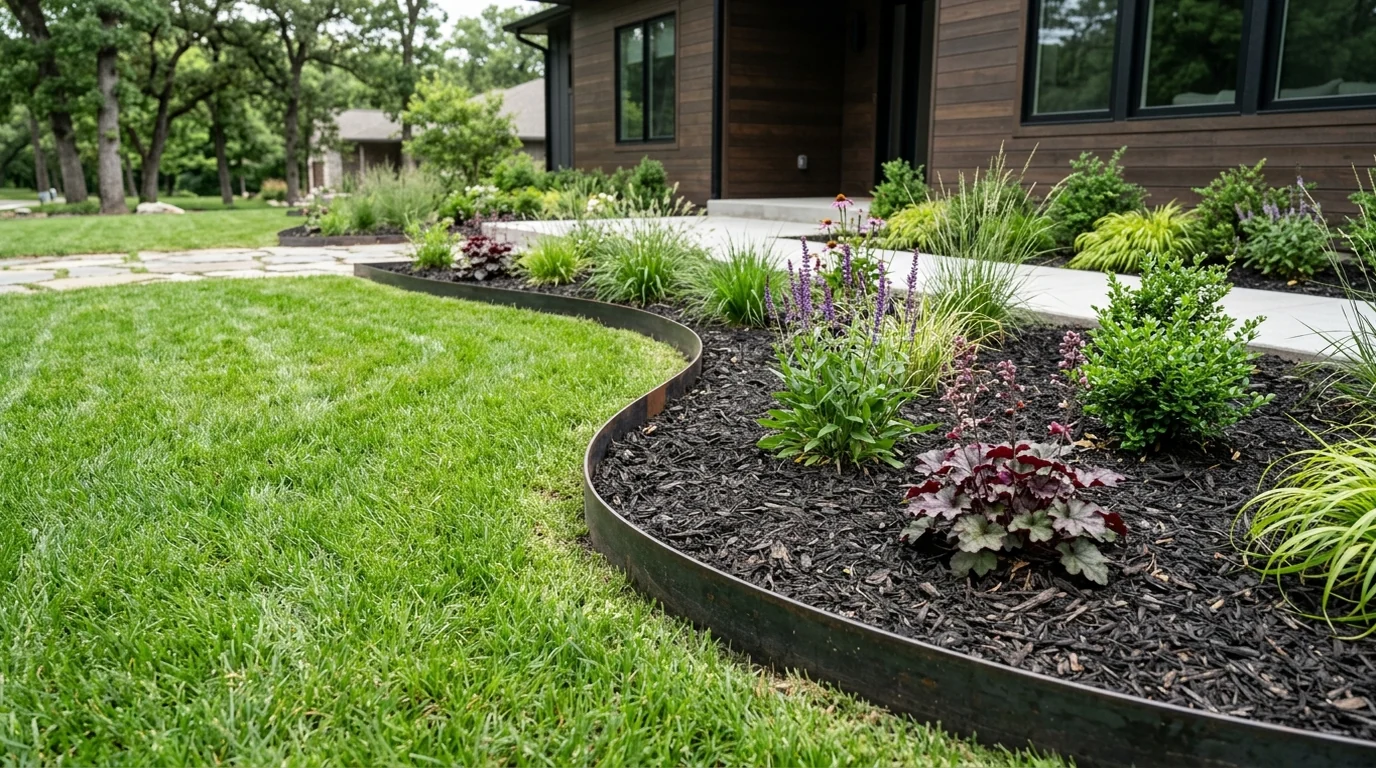
Craft authentic hard cider from your own yard by planting heirloom russets and cider cultivars. Roxbury Russet—America's oldest named apple variety—was first cultivated right here in Massachusetts in the early 1600s.
Wildlife-Resilient Dwarf Orchard Enclosure
Pest & Wildlife Protection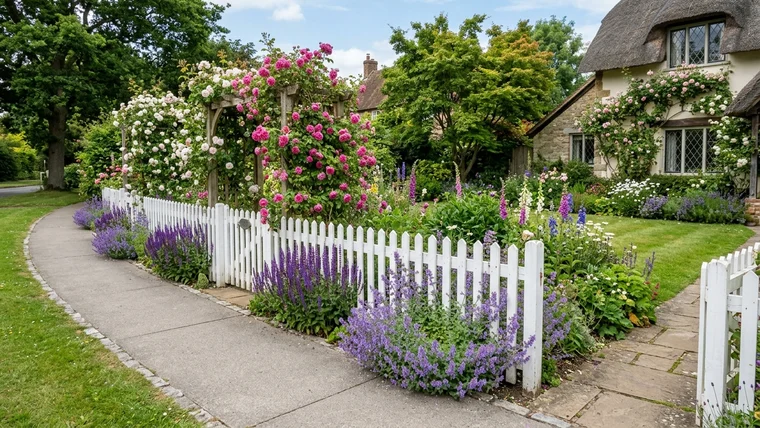
Protect your fruit investment from North Shore deer, turkeys, and squirrels by enclosing dwarf trees in an architectural cedar pergola frame outfitted with discreet wire mesh and removable overhead bird netting.
Local Growing Guide
Peabody & Essex County Soil, Chill Hours & Frost Defense
Chill Hour Requirements & Spring Frosts
Fruit trees require a biological duration of winter temperatures between 32°F and 45°F (known as "chill hours") to break dormancy and set uniform flowers. Essex County reliably provides 850 to 1,100 chill hours annually, making it ideal for classic New England apples and pears.
However, late coastal spring frosts in late April or early May can damage delicate open blossoms. Plant fruit trees midway up gentle slopes rather than in low hollows where dense freezing air pools.
Soil pH Balancing & Glacial Till Correction
Massachusetts native soils naturally test between 4.8 and 5.4 pH due to granite parent material and pine needles. Fruit trees cannot absorb essential phosphorus and potassium at acidic levels.
Incorporate pelletized dolomitic limestone at 50 to 80 lbs per 1,000 square feet during site preparation to raise pH to the ideal 6.2 to 6.8 zone, and blend in 3 to 4 inches of aged leaf compost to loosen heavy clay or stony till.
Pruning Strategy: Winter Structural Shaping vs. Summer Size Control
Budgeting & Planning
What Does a Small Backyard Orchard Cost to Install?
DIY Backyard Orchard Starter
$250 – $650
- 3 bare-root or 2-year potted dwarf fruit trees ($45–$85 each)
- Heavy-duty hardwood tree support stakes and flexible ties
- Organic compost, dolomitic lime, and organic tree fertilizer
- Pine bark mulch ring and hardware-cloth rodent guards
Turnkey Professional Edible Landscape
$1,500 – $4,500+
- Custom landscape architectural design & microclimate site mapping
- Deep mechanical soil excavation, stony till removal & loam blending
- Galvanized steel espalier wire trellising along existing fences or posts
- Automated sub-surface drip irrigation system with rain sensors
- Pre-established 5-to-7 gallon specimen fruit trees with guarantee
Frequently Asked Questions
Common Questions About Small Backyard Orchards
Answers
Frequently asked questions
01How much space do you need to plant a backyard orchard?
You need as little as 10 to 15 square feet per tree for a compact backyard orchard. By utilizing ultra-dwarf rootstocks (like M27 or Geneva 11) or two-dimensional espalier trellising along a fence, homeowners can comfortably fit 4 to 8 fruit trees into a typical 400-square-foot suburban patio or yard border while maintaining full sunlight exposure.
02What fruit trees grow best in Massachusetts backyards?
Cold-hardy apples (Honeycrisp, Liberty, Macoun), European pears (Bartlett, Bosc), sour/tart cherries (Montmorency, Northstar), American-hybrid plums (Mount Royal), and cold-tolerant peaches (Reliance) thrive in Massachusetts USDA Zones 5b through 6b. These cultivars reliably withstand sub-zero winter dormancy and easily fulfill the region's 800 to 1,000 required winter chill hours.
03Can dwarf fruit trees survive New England winters in pots?
Dwarf fruit trees can survive New England winters in containers if their root balls are properly insulated. Because potted soil freezes from the outside inward, roots lack subterranean thermal mass. Protect containerized fruit trees by moving pots into an unheated garage or shed once fully dormant in late November, or cluster pots together and mulch heavily with 8 inches of straw.
04What is an espalier fruit tree and does it save space?
Espalier is the horticultural art of training woody fruit trees flat against a two-dimensional plane, such as a sunny wooden fence, brick wall, or freestanding wire trellis. Espalier trees require only 12 to 18 inches of bed depth, maximize horizontal solar exposure, speed up fruit ripening, and allow high-density orchard yields in small courtyards and narrow side yards.
05Do I need two fruit trees to get fruit in my yard?
It depends on the fruit species and cultivar. Apples, European pears, and sweet cherries generally require cross-pollination from a compatible second variety blooming at the same time within 50 to 100 feet. However, self-fertile fruit trees—such as tart cherries, many European plums, peaches, and multi-grafted 4-in-1 family trees—produce abundant fruit crops with just a single tree.
06How long does it take for a dwarf backyard orchard to bear fruit?
Dwarf fruit trees grafted onto precocious dwarfing rootstocks (such as M9, Budagovsky 9, or Geneva 11) typically begin bearing fruit in their second or third year after planting. In contrast, standard full-sized fruit trees require 6 to 10 years before their first harvest. Full annual production is commonly reached by year 4 or 5.
07What is the best soil and pH for Massachusetts fruit trees?
Fruit trees thrive in deep, well-draining sandy loam with a soil pH between 6.0 and 6.8. Massachusetts native soils are frequently acidic (pH 4.8 to 5.5) and stony due to glacial till. Adding agricultural dolomitic limestone and organic compost based on a UMass Amherst soil test ensures optimal calcium and micronutrient uptake while preventing root rot.
08How much does it cost to install a small backyard orchard in Essex County?
A DIY backyard orchard featuring 3 to 4 bare-root dwarf fruit trees, organic soil amendments, tree stakes, and mulch costs between $250 and $600. A professionally designed and installed micro-orchard—including site grading, espalier wire support trellises, drip irrigation, pest guards, and 5-to-7-gallon containerized trees—typically ranges from $1,500 to $4,500.
Horticultural citations: UMass Amherst Extension Fruit Program, Cornell University Cooperative Extension Orchard Architecture, USDA Plant Hardiness Zone Map, and Massachusetts Department of Agricultural Resources (MDAR).
Updated:Ready to Plant Your Dream Backyard Orchard?
Connect with screened, independent landscape contractors and edible garden specialists in Peabody and Essex County for free on-site design consultations and installation estimates.
Get connected with an independent local landscaping professional. Calls go to (877) 537-6896.