10 Beautiful Berry Bush Garden Ideas: High-Yield Edible Landscaping
The best berry bush garden ideas include living highbush blueberry hedges for multi-season privacy, vertical two-wire raspberry trellises that prevent cane disease, and containerized dwarf berries on wheeled patio caddies. For New England yards (Zone 6b), match soil acidity (pH 4.5–5.2 for blueberries) and provide 6–8 hours of sunlight for maximum yields.
Full sun powers sugar synthesis & heavy blooms
Amend with sulfur, peat moss & pine bark
100+ days with succession cultivars
Quantitative Comparison
Berry Bush Specifications & Massachusetts Growing Requirements
| Berry Species | Sunlight | Target Soil pH | In-Row Spacing | Harvest Window | Annual Yield | Top Zone 6b Cultivars |
|---|---|---|---|---|---|---|
| Highbush Blueberry | Full Sun (6–8+ hrs) | 4.5–5.0 (Acidic) | 4–5 ft apart | July – August | 8–15 lbs / mature bush | Bluecrop, Patriot, Blueray |
| Red Raspberry | Full Sun (6+ hrs) | 5.8–6.5 (Mildly Acidic) | 2–3 ft in rows | July (Summer) & Sept (Fall) | 2–4 lbs / linear foot | Heritage, Boyne, Latham |
| Thornless Blackberry | Full Sun (6–8 hrs) | 6.0–6.8 (Neutral) | 5–6 ft along trellis | August – September | 10–20 lbs / mature plant | Triple Crown, Chester |
| Garden Strawberry | Full Sun (6–8 hrs) | 5.5–6.5 (Loamy) | 12–18 inches | June (June-bearing) or All Summer | 1 lb / plant | Honeoye, Earliglow, Ozark Beauty |
| Gooseberry & Currant | Part Shade to Full Sun | 6.0–6.8 (Moist Loam) | 3–4 ft apart | Late June – July | 6–10 lbs / bush | Pixwell Gooseberry, Red Lake Currant |
Curated Backyard Layouts
10 Creative Berry Bush Garden Ideas
The Living Berry Hedge (Edible Landscaping)
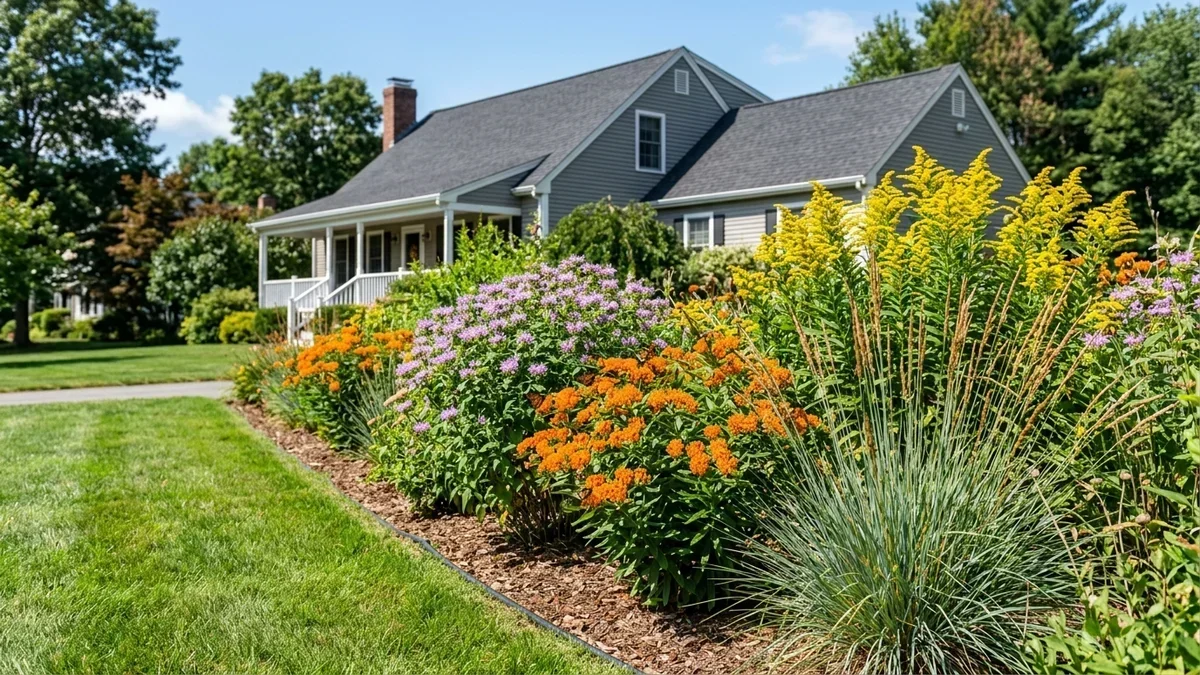
Replace sterile privet or boxwood hedges with a productive multi-variety blueberry hedgerow. Planting alternating early, mid, and late-season highbush cultivars like Patriot, Bluecrop, and Elliot provides continuous picking from early July through late August while creating a dense 5-to-6-foot privacy screen.
Vertical Raspberry Trellis (Small-Space Solution)
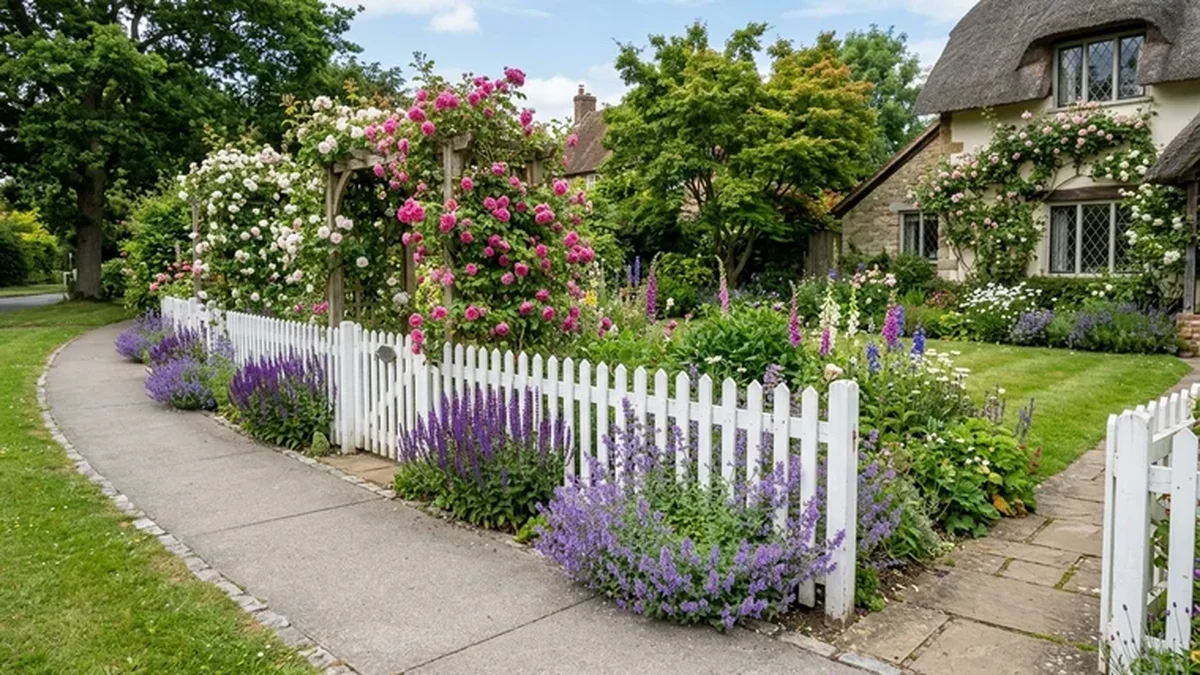
Tame vigorous biennial canes with an engineered T-bar or cross-arm wire trellis. By anchoring sturdy 4x4 cedar posts and running galvanized high-tensile wire at 30 inches and 54 inches, canes stay upright and organized. Pruning spent floricanes after summer harvest leaves room for heavy fall primocane flushes.
Tiered Strawberry Planters & Vertical Towers
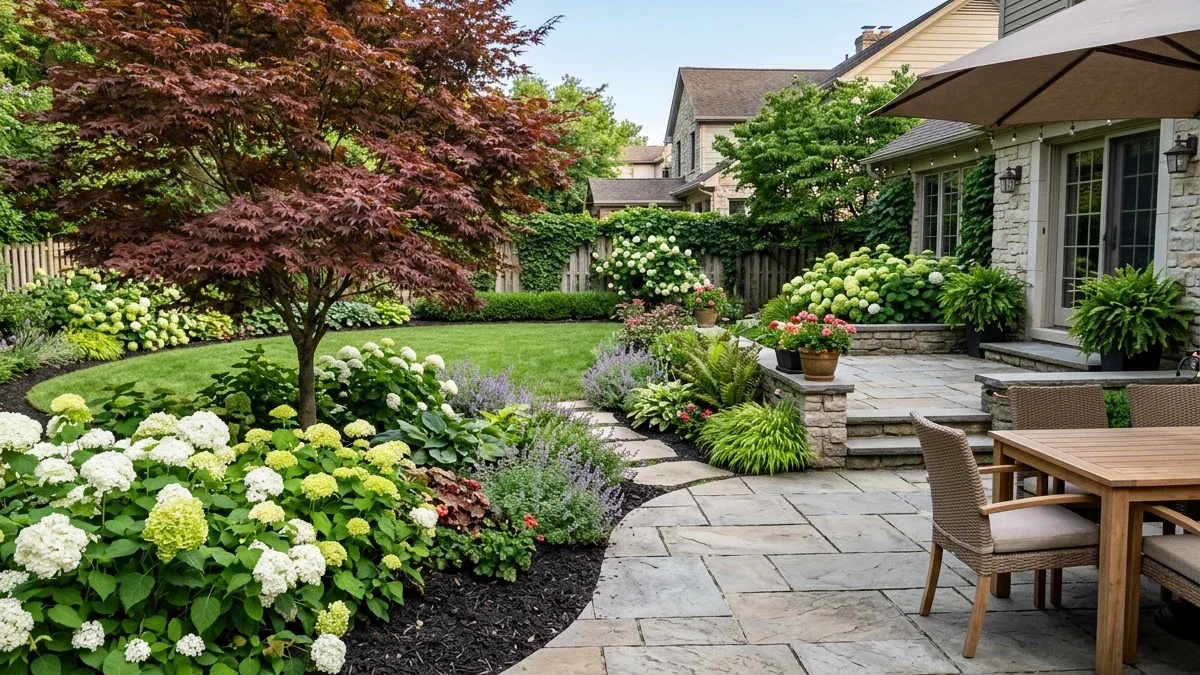
When yard square footage is at a premium, stackable terracotta planters, cedar pyramid tiers, or hanging vertical towers turn sunny patio corners into strawberry factories. Everbearing varieties like Albion or Seascape flower and set sweet fruit continuously from June until the first autumn frost.
The Mixed Succession Berry Patch
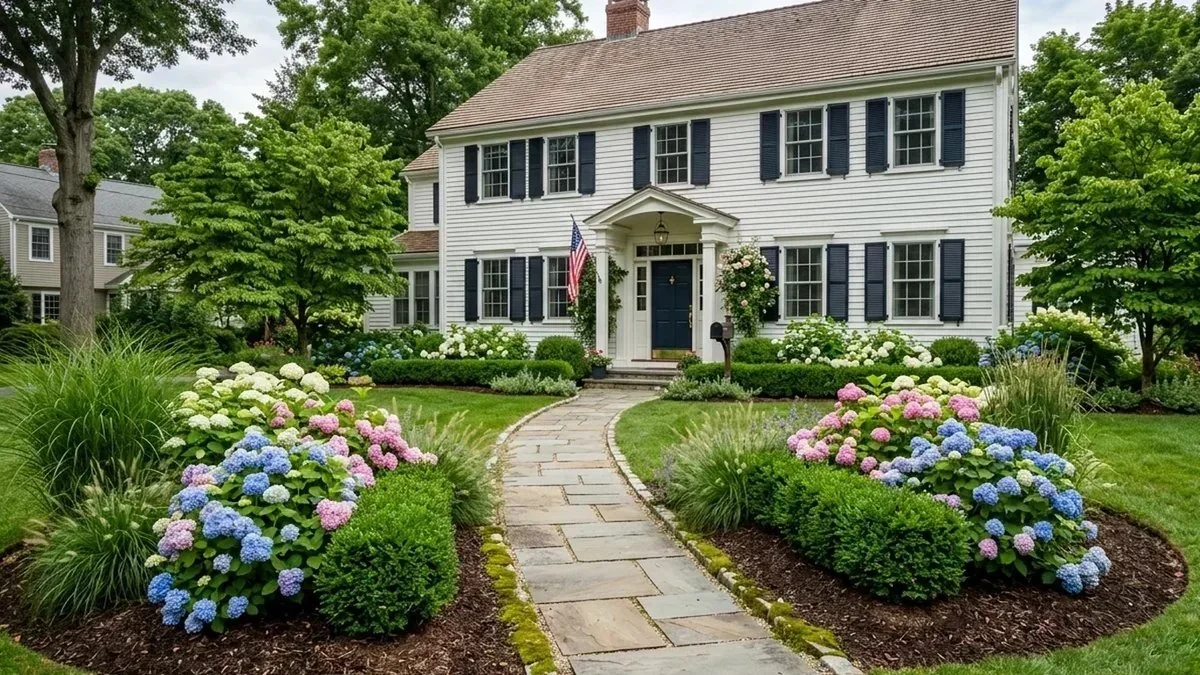
Design a dedicated 10x20 foot edible guild segmented into distinct sub-beds. Acidic peat-amended beds host blueberries, while neutral raised beds anchor thornless blackberries and strawberries. This intentional layout creates continuous harvesting from early summer strawberry shortcakes through late September blackberry crumbles.
Living Berry Archways & Pergola Arbors
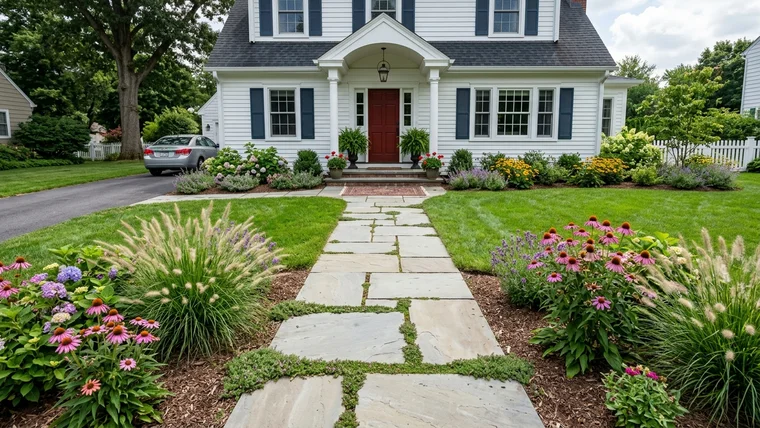
Train vigorous thornless trailing blackberries—such as Triple Crown or Chester—up and over heavy-duty cedar garden arbors or arched metal pergolas. As the leafy canopy fills in, it creates romantic overhead shade along garden pathways while ripe, thumb-sized berries hang down for effortless picking.
Patio Container Berry Garden
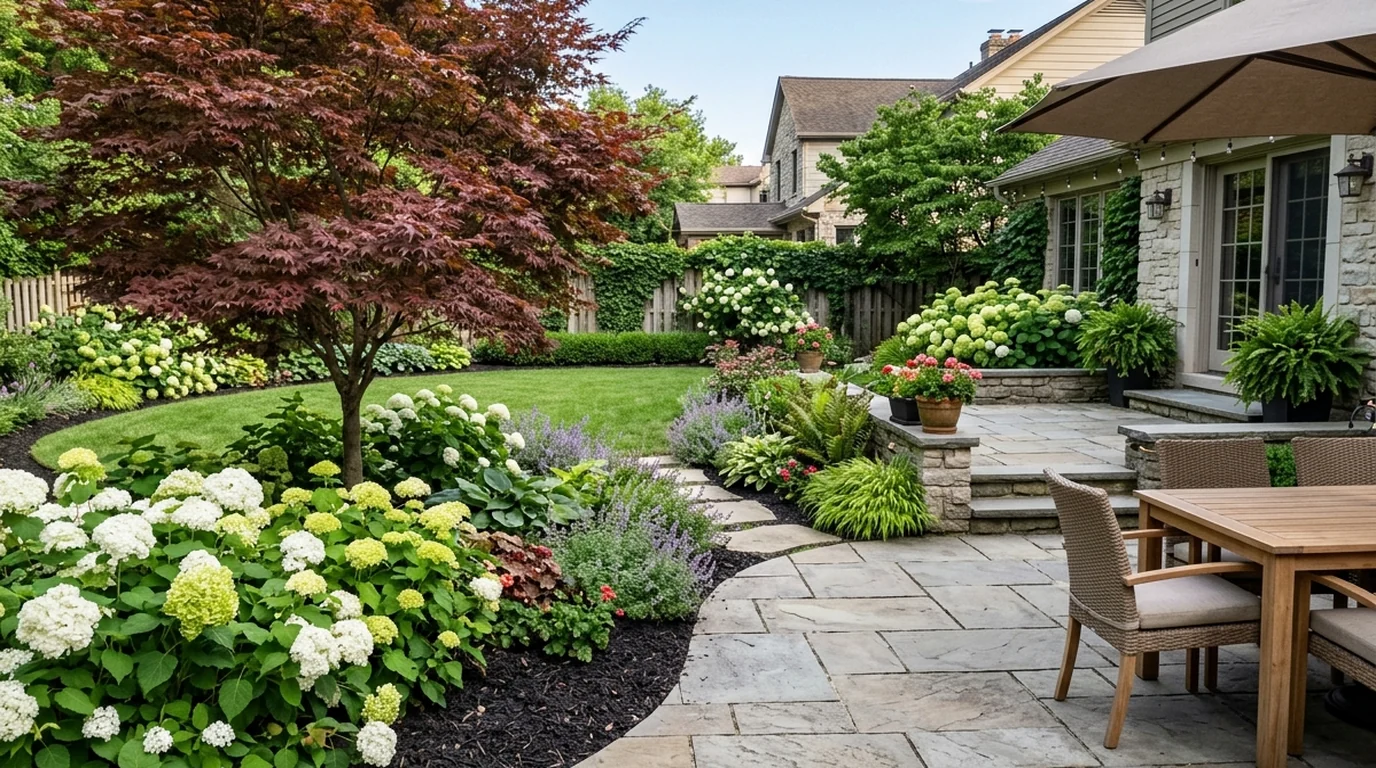
Grow genetically dwarf cultivars specifically bred for patio life, like 'Raspberry Shortcake' (thornless dwarf red raspberry) and 'Top Hat' dwarf blueberry. In 15-gallon half whiskey barrels filled with 60% peat moss and 40% aged pine bark fines, container berries flourish on sunny decks and stone terraces.
Espalier Gooseberry & Currant Fence
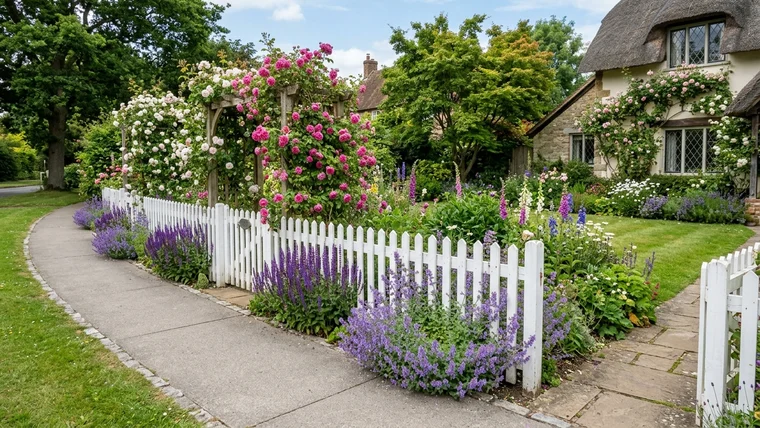
Gooseberries and red currants love cooler northern climates and produce heavy yields even in partial shade. Training them as flat, two-dimensional fan espaliers along a property fence line conserves yard space, improves sunlight distribution, and turns an ordinary wooden fence into a dessert corridor.
Native Elderberry & Serviceberry Wildlife Buffer
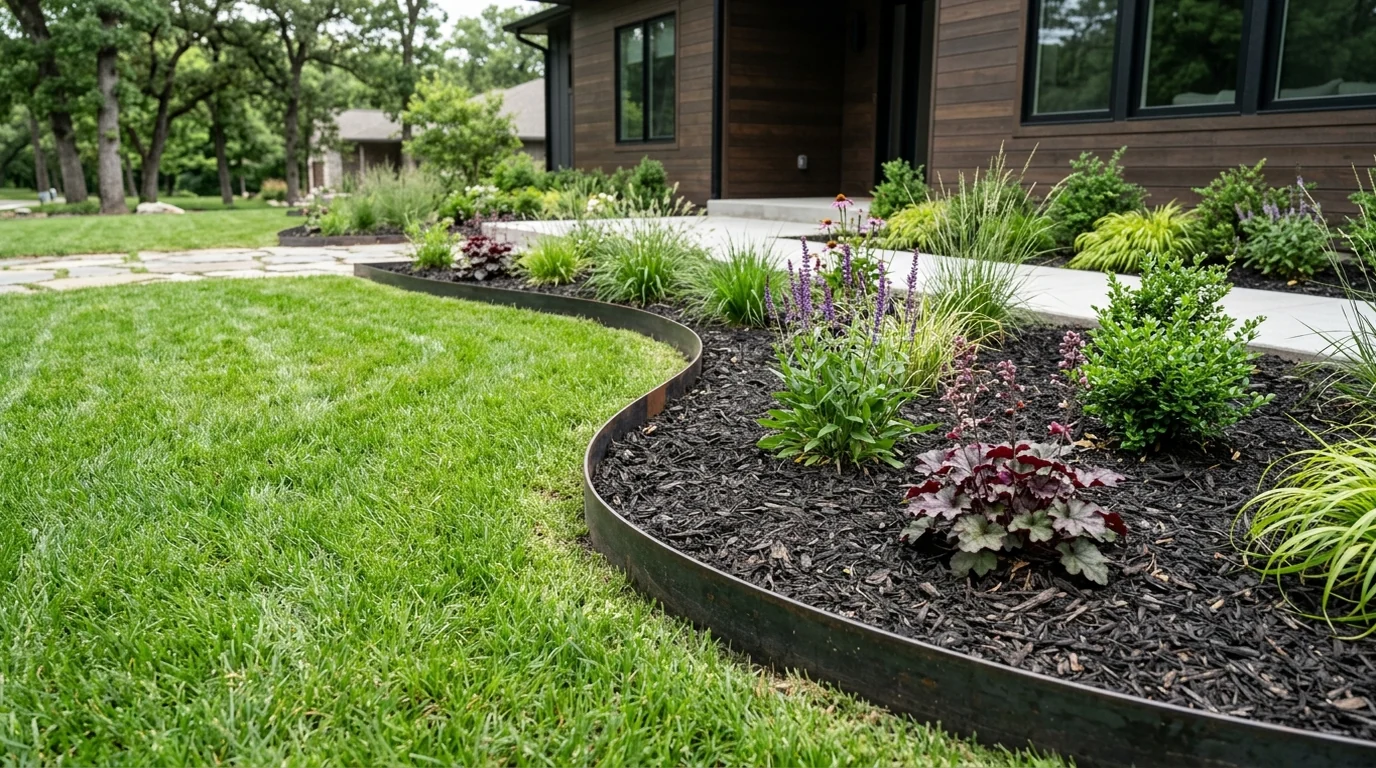
American elderberry (Sambucus canadensis) and serviceberry (Amelanchier) are hardy Massachusetts native shrubs that thrive in moist soils where traditional fruit trees struggle. The deep purple elderberries make immune-boosting syrups, pies, and wines, while white spring blooms feed native honeybees.
Lingonberry & Cranberry Groundcover Beds
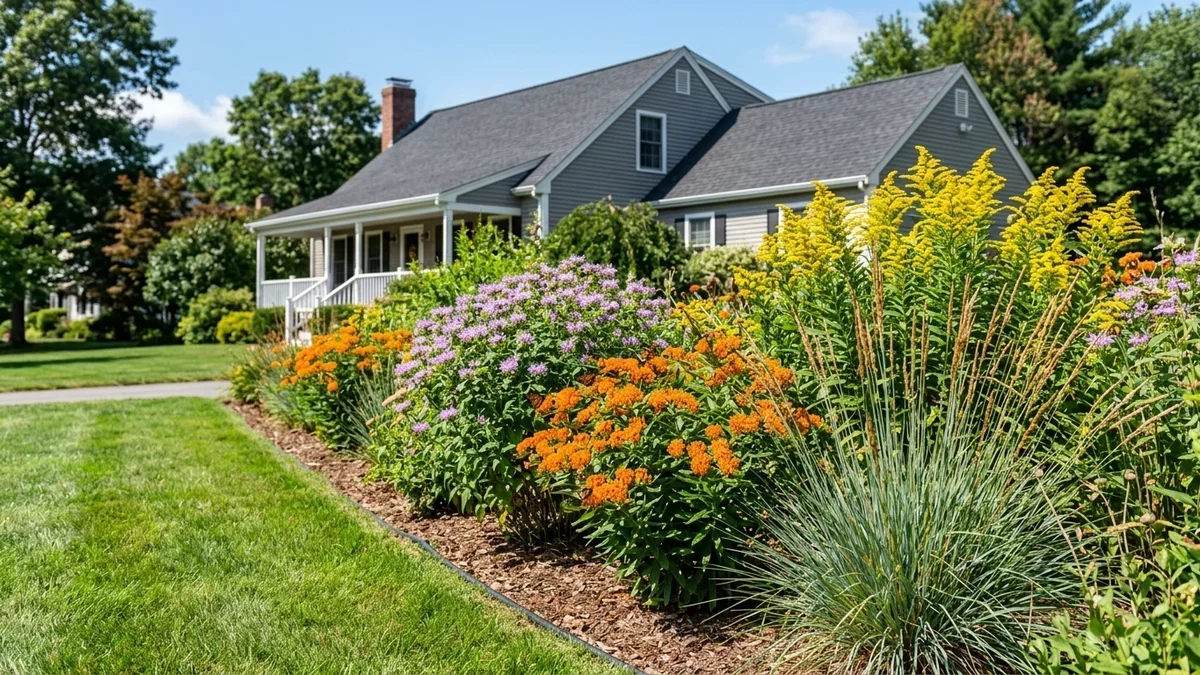
Instead of constantly replenishing wood chips around your blueberry bushes, plant low-bush lingonberries (Vaccinium vitis-idaea) or American cranberries as an edible living evergreen groundcover. They share the same acidic pH (4.5–5.0), protect soil moisture, and produce tart red berries for holiday preserves.
Raised Bed Berry Guilds with Companion Herbs
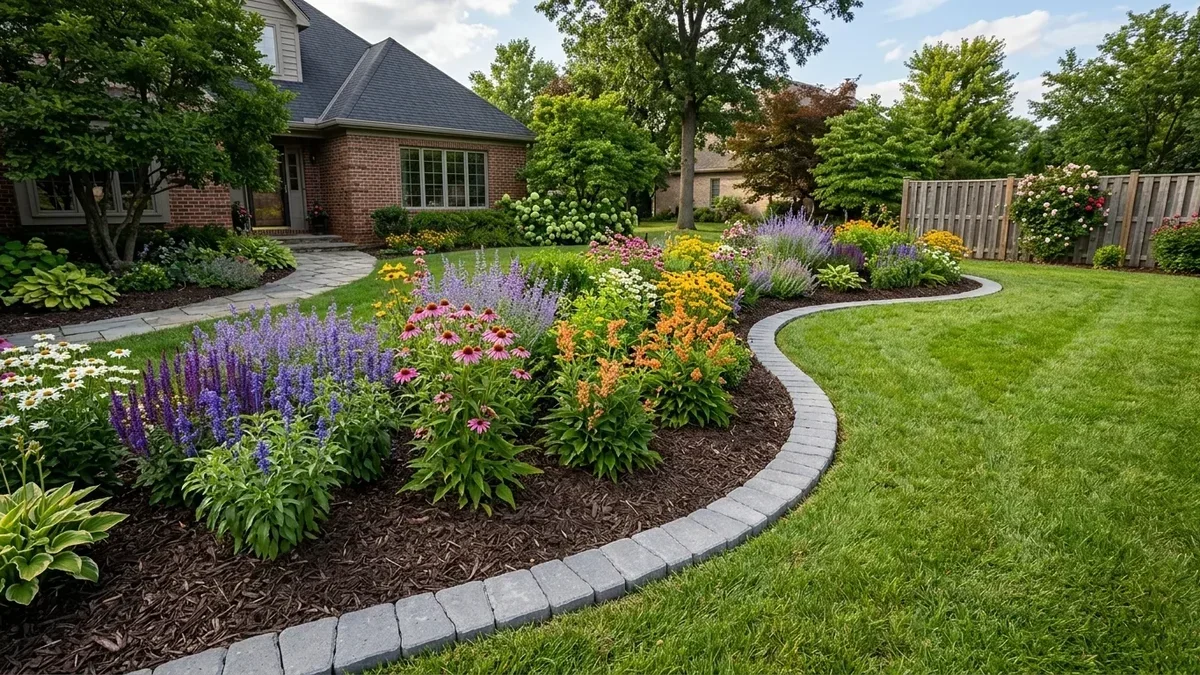
Construct a 4x8 foot raised cedar bed lined with gopher-proof wire and packed with rich compost. Interplant central raspberry canes with creeping thyme, chives, and French marigolds around the perimeter. The aromatic essential oils mask berry scents from insect pests while predatory wasps keep aphids in check.
Soil Science & Pruning
How to Successfully Acidify New England Soil for Berries
Elemental Sulfur & Organic Mulch
To drop soil pH by 1.0 point (from 5.8 down to 4.8), broadcast 1.5 to 2.0 pounds of elemental agricultural sulfur per 100 square feet into the top 6 inches of soil 6 months prior to planting. Topdress annually with 3 inches of composted pine bark or aged pine needles to replenish organic matter.
Winter Pruning & Cane Management
Prune blueberries in late winter (February/March) while fully dormant, removing dead wood and the oldest 20% of thick gray canes to stimulate young red fruiting wood. For fall raspberries, mow or prune all canes flush to the ground in late winter for a simple, single autumn crop.
Homeowner FAQs
Frequently Asked Questions About Growing Berry Bushes
Answers
Frequently asked questions
01Which berry bushes are easiest to grow for beginners in Massachusetts?
Highbush blueberries (such as Bluecrop and Patriot) and primocane raspberries (such as Heritage) are the easiest and most reliable berry crops for Massachusetts homeowners. Both are cold-hardy down to USDA Zone 5, withstand regional winter freezes without dieback, and bear abundantly within two years of planting.
02How acidic does soil need to be for growing blueberries?
Blueberries require acidic soil with a pH between 4.5 and 5.2 to absorb essential iron and nutrients. Native Massachusetts soil is naturally acidic (around 5.5 to 6.0), but growers typically amend beds with elemental agricultural sulfur, sphagnum peat moss, and pine needle mulch to reach the ideal 4.8 target.
Calculate planting soil amendments with our Topsoil Calculator →
03How much sunlight do berry bushes need each day?
Most fruiting berry bushes—including blueberries, raspberries, blackberries, and strawberries—demand a minimum of 6 to 8 hours of direct, unfiltered sunlight daily for maximum sugar synthesis and heavy fruit set. Gooseberries, currants, and elderberries can tolerate partial shade (4 to 5 hours of morning sun).
04Can you grow berry bushes in containers or raised beds?
Yes. Compact dwarf berry varieties—such as Top Hat blueberries, Raspberry Shortcake, and alpine strawberries—thrive in 10-to-20-gallon containers or 12-inch-deep raised garden beds. Raised beds offer superior control over specialized soil pH and eliminate competition from invasive turf roots.
05How do you protect ripening berries from birds and chipmunks?
The most humane, effective bird and rodent barrier is lightweight, 1/4-inch UV-stabilized polypropylene bird netting draped over a rigid PVC or conduit hoop frame. Fasten the netting flush to the ground with landscape staples to prevent birds, squirrels, and chipmunks from crawling underneath.
06When is the best time of year to plant berry bushes in New England?
Early spring (April to early May), just as the ground thaws and dormant bare-root or potted nursery stock becomes available, is the prime planting window. Early spring planting gives root systems 6 to 8 months of cool, moist establishment before facing their first winter freeze.
07How many berry bushes should I plant for a family of four?
For continuous fresh summer snacking and preserving, plant 4 to 6 mature highbush blueberries, a 15-to-20-foot linear hedgerow of raspberries (yielding 15 to 25 pints), 2 to 3 blackberry canes, and a 25-plant patch of June-bearing strawberries.
08How much does it cost to install an edible berry garden in Essex County?
A DIY 4-to-6 bush berry bed costs approximately $150 to $350 for potted stock, peat moss, sulfur amendments, and pine bark mulch. A professionally installed edible landscape featuring raised cedar beds, drip irrigation, espalier trellising, and pest netting ranges from $1,200 to $3,800.
Review Massachusetts landscaping and planting pricing benchmarks →
Citations: UMass Amherst Extension Small Fruit Team, Cornell Cooperative Extension Berry Guide, and USDA Zone 6b Hardiness Maps.
Updated:Ready to Build Your Edible Berry Garden?
Connect with top-rated local landscape contractors and garden specialists in Peabody and Essex County for free quotes on raised garden beds, soil preparation, and edible landscape installation.
Get connected with an independent local landscaping professional. Calls go to (877) 537-6896.