Curb Appeal · Architectural Entry Design
20 Front Entry Landscaping Ideas: Elegant Walkways, Porch Planters & Curb Appeal
What is the fastest way to upgrade front entry landscaping for maximum curb appeal?
The most impactful front entry transformation pairs a generous 4- to 5-foot natural stone walkway with layered foundation plantings: low-maintenance evergreens for winter structure, continuous-blooming native perennials, symmetrical doorway container urns, and warm low-voltage path lighting for evening safety.
Design Principles
The 4 Golden Rules of Front Entry Landscape Architecture
Design Gallery
20 Inspiring Front Entry Landscaping Ideas
Symmetrical Flanking Evergreen Topiaries
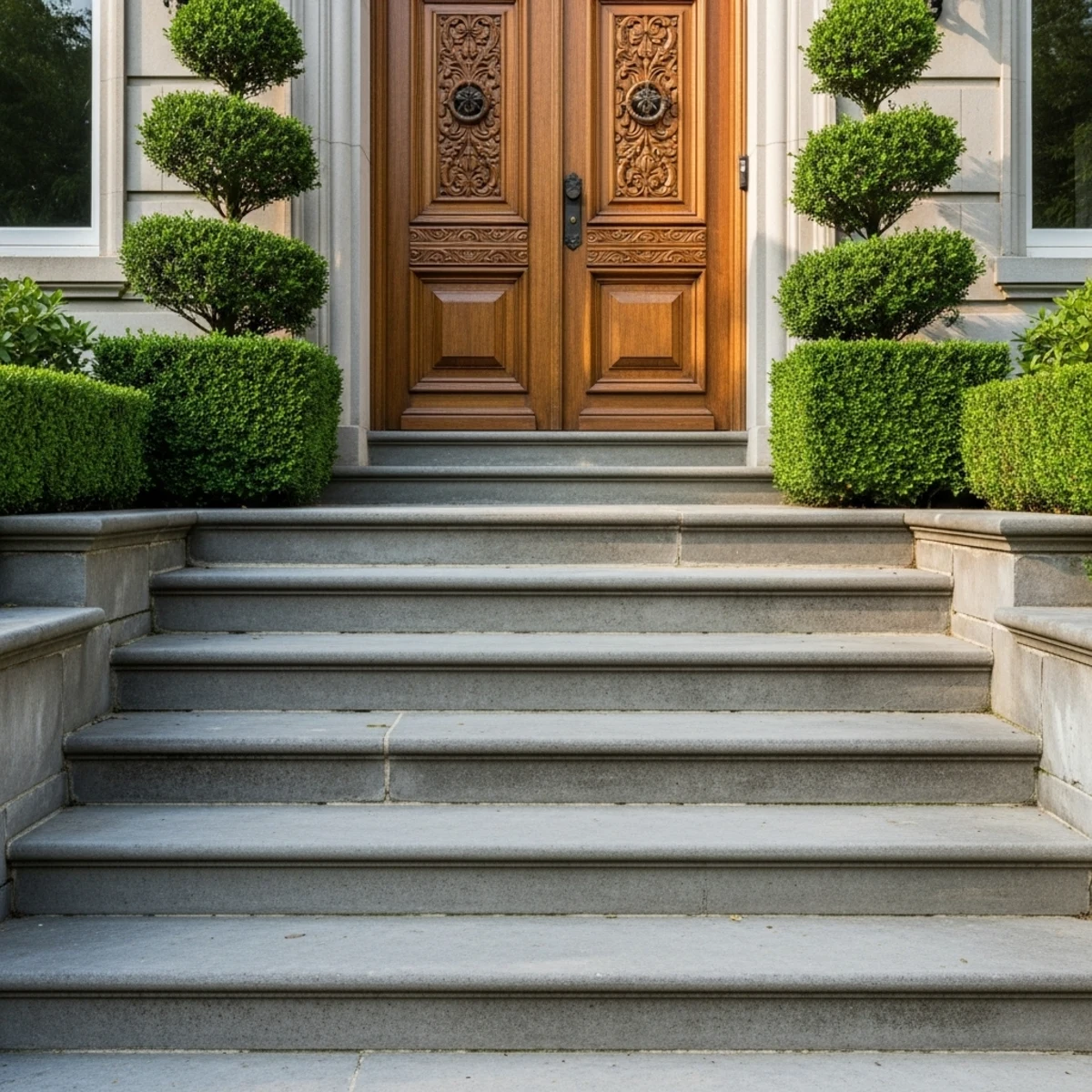
Framing your front door with identical conical boxwoods or pyramidal arborvitaes in stately composite urns establishes instant architectural balance. This classic design draws the eye directly toward the entryway, imparting a formal, upscale presence that endures all four seasons in New England.
Professional Design Specs & Tips
- Dual evergreen topiaries provide year-round structure even under winter snow
- High-contrast square ceramic or resin urns elevate doorway sightlines
- Pairs exceptionally well with brass coach lanterns and painted paneled front doors
- • Zero winter leaf drop
- • Timeless formal aesthetic
- • Low supplemental watering once established
- • Requires annual trimming to preserve sharp conical geometry
- • Urns must have winter drainage to prevent freeze cracking
Layered Continuous-Bloom Foundation Beds
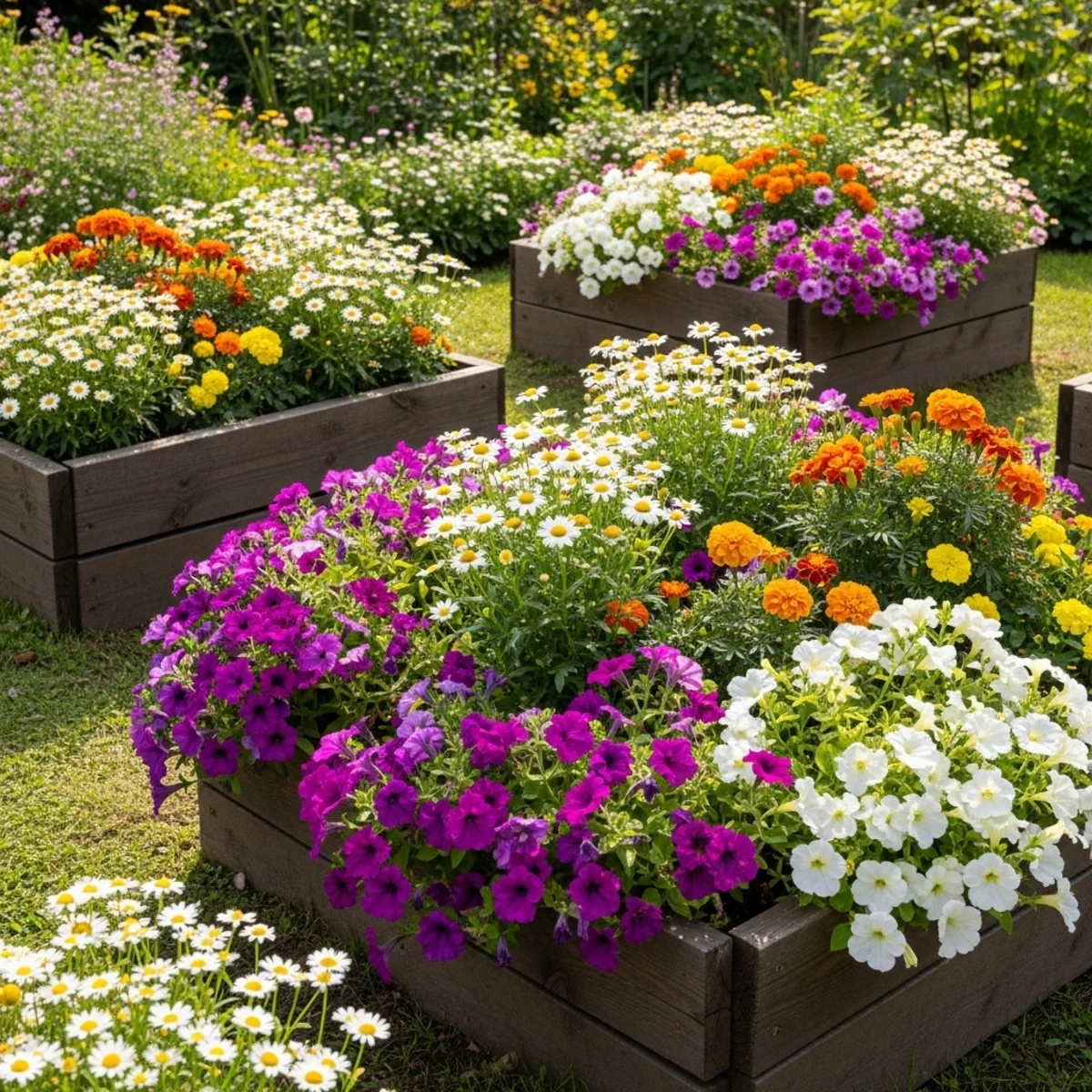
Replacing bare mulch strips with dense, stepped perennial borders creates a welcoming corridor of color. By layering spring bulbs, summer hydrangeas, and autumn sedum in front of evergreen foundation shrubs, your walkway offers an evolving sensory experience from April through November.
Professional Design Specs & Tips
- Step heights from low creeping phlox groundcovers up to 4-foot panicle hydrangeas
- Continuous flowering cycles provide constant nectar for native pollinators
- Dense root systems naturally crowd out invasive weed seedlings
- • Dramatically increases home curb appeal
- • Dynamic color changes every month
- • Suppresses weeds naturally
- • Requires seasonal deadheading and spring cutbacks
- • Higher initial perennial planting density needed
Meandering Natural Flagstone Curved Walkway
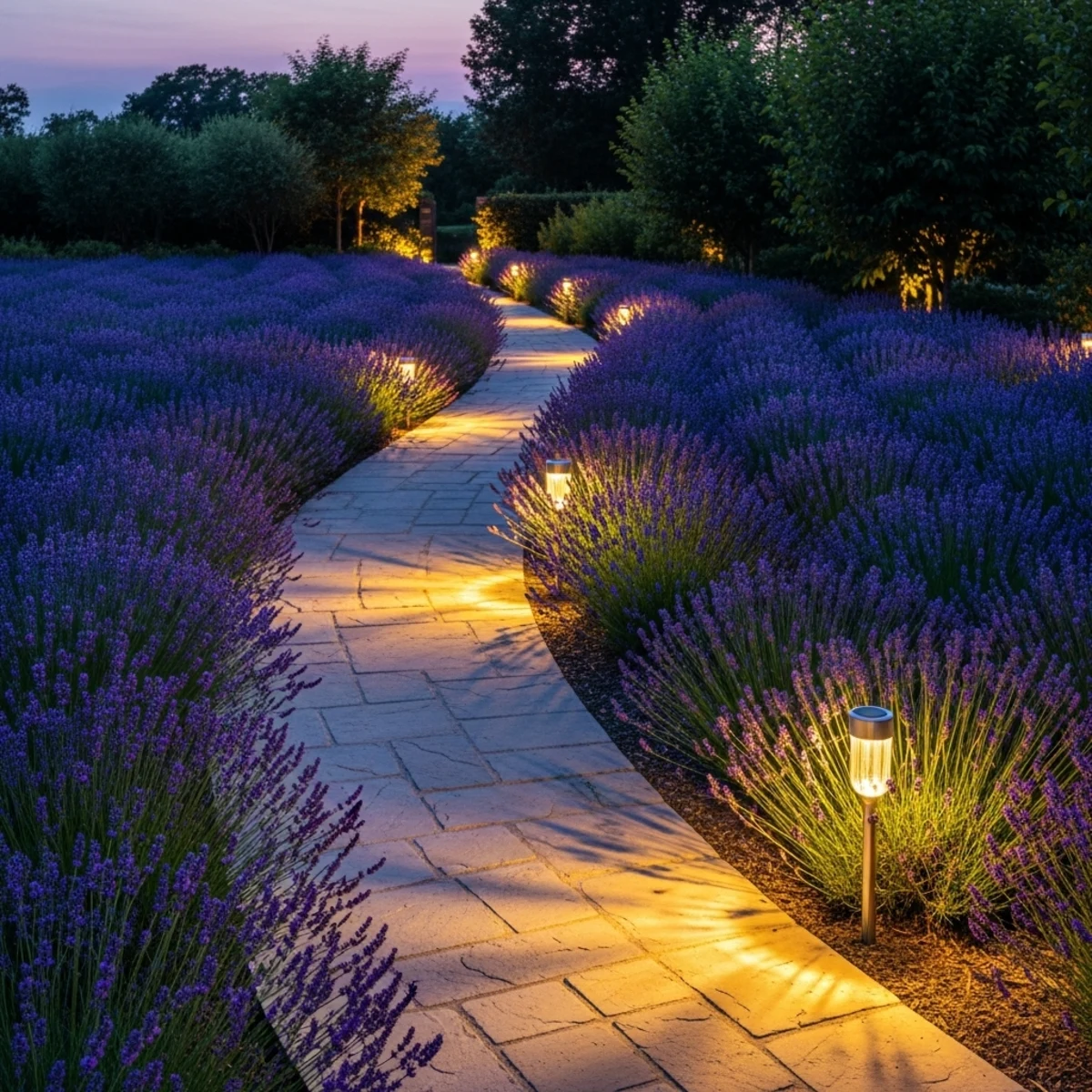
A gently sweeping curved walkway slows visitors down and creates an inviting journey toward your front door. Constructing paths from irregular Massachusetts bluestone or cleft-face flagstone introduces organic textures that soften rigid foundation lines and architectural angles.
Professional Design Specs & Tips
- Gentle radius curves make compact front lawns appear significantly larger
- Bluestone flags mortared over crushed gravel base resist severe freeze-thaw cycles
- Flanked by low creeping thyme or dwarf mondo grass softening stone borders
- • Softens harsh rectangular home perimeters
- • Durable freeze-thaw performance in Zone 6b
- • Slip-resistant natural textured surface
- • Requires professional sub-base grading for frost heaving
- • Higher masonry cost than straight poured concrete
Low-Maintenance Foundation Evergreens & Boxwoods
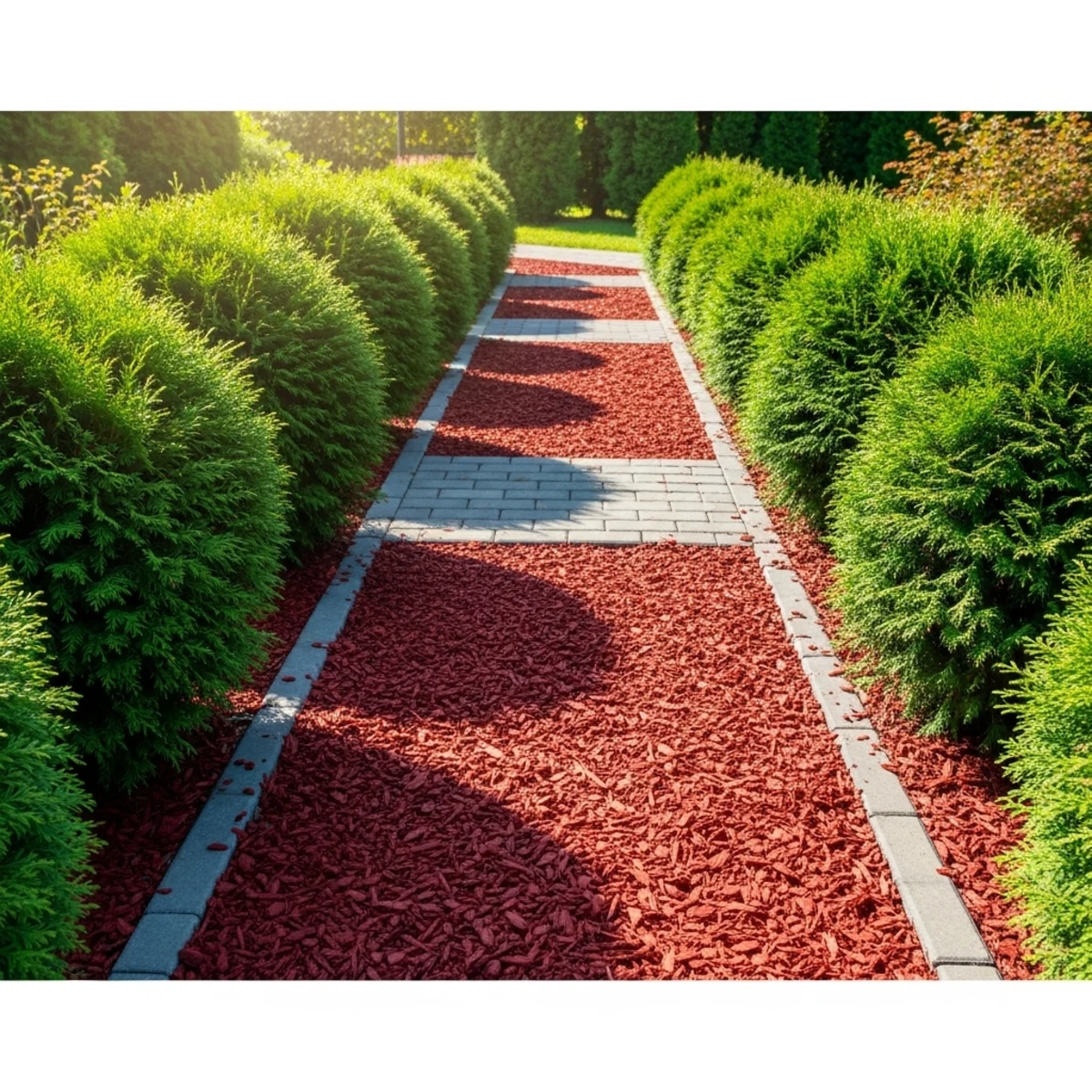
Combining dwarf globose arborvitaes, inkberry hollies (Ilex glabra), and yews provides an indestructible green backdrop that hides unsightly concrete foundation walls. These salt-tolerant, cold-hardy species survive heavy Massachusetts roadside snow drift without browning.
Professional Design Specs & Tips
- Native inkberry hollies resist boxwood blight and winter desiccation
- Keeps front foundation green and attractive through freezing winter months
- Deep root systems stabilize perimeter soil around home foundation walls
- • Extremely low maintenance requirements
- • Salt-spray tolerant for coastal Massachusetts
- • Never bare in winter
- • Slower annual growth rate requires patience
- • Needs proper spacing to avoid crowding siding
Mini Rockery Stepping Garden Beside Steps
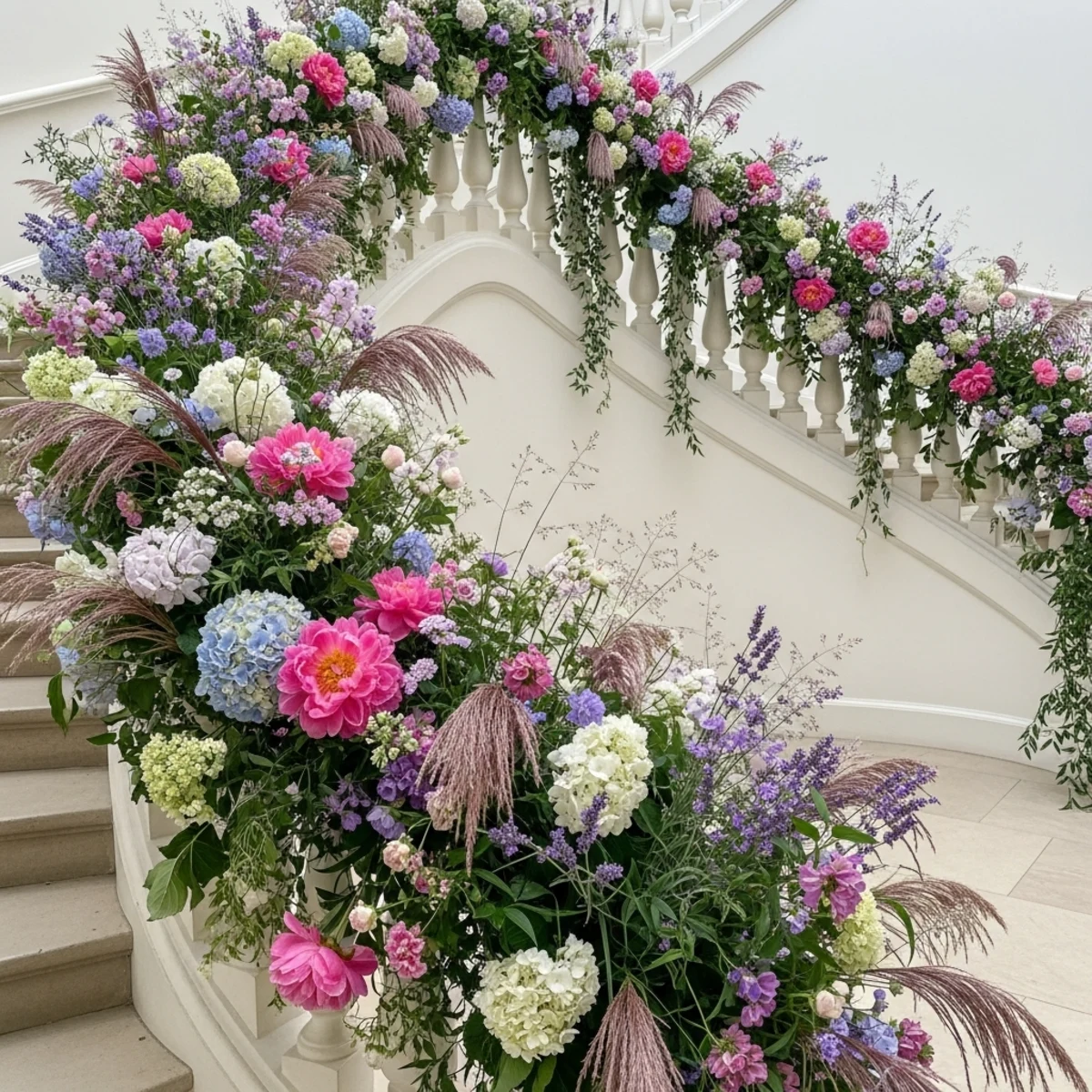
The acute corner where front entrance steps meet home foundation is frequently neglected. Transforming this small pocket into a miniature alpine rockery with glacial fieldstones, hens and chicks (Sempervivum), and dwarf conifers creates an artisanal welcoming vignette.
Professional Design Specs & Tips
- Utilizes tight, odd-shaped architectural angles efficiently
- Granite boulders provide natural contrast against wood or composite porch risers
- Drought-tolerant succulents require zero irrigation once rooted
- • Turns dead architectural corners into focal points
- • Requires near-zero watering
- • Never overgrown
- • Requires excellent gravel soil drainage
- • Sensitive to aggressive salt use on winter steps
Low-Voltage Architectural Solar Path Lighting
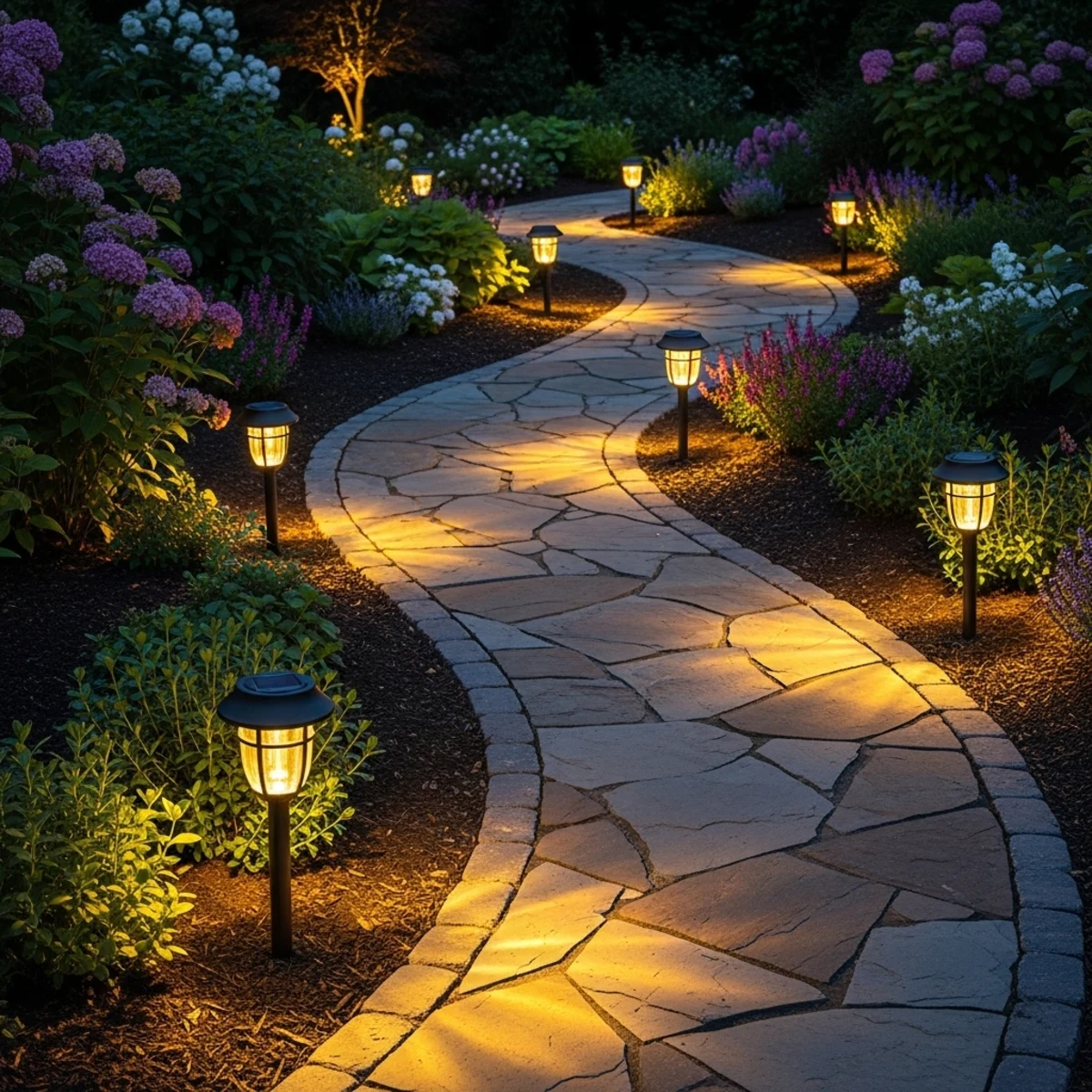
Illuminating entry pathways with warm 2700K low-voltage or commercial solar LED bollards ensures safe nighttime navigation while highlighting stone textures and flowering perennials. Staggering lights along alternate sides prevents the sterile 'runway' effect common with straight alignments.
Professional Design Specs & Tips
- Staggered placement every 6 to 8 feet creates natural pools of warm illumination
- Solid brass or matte black cast aluminum housings resist winter snow shovels
- Low-voltage 12V transformers run safely under mulch without deep trenching
- • Improves evening guest safety and trip prevention
- • Highlights architectural textures at night
- • Energy-efficient LED operation
- • Solar units dim during overcast New England winters
- • Hardwired low-voltage requires transformer setup
Oversized Glazed Ceramic Porch Planters
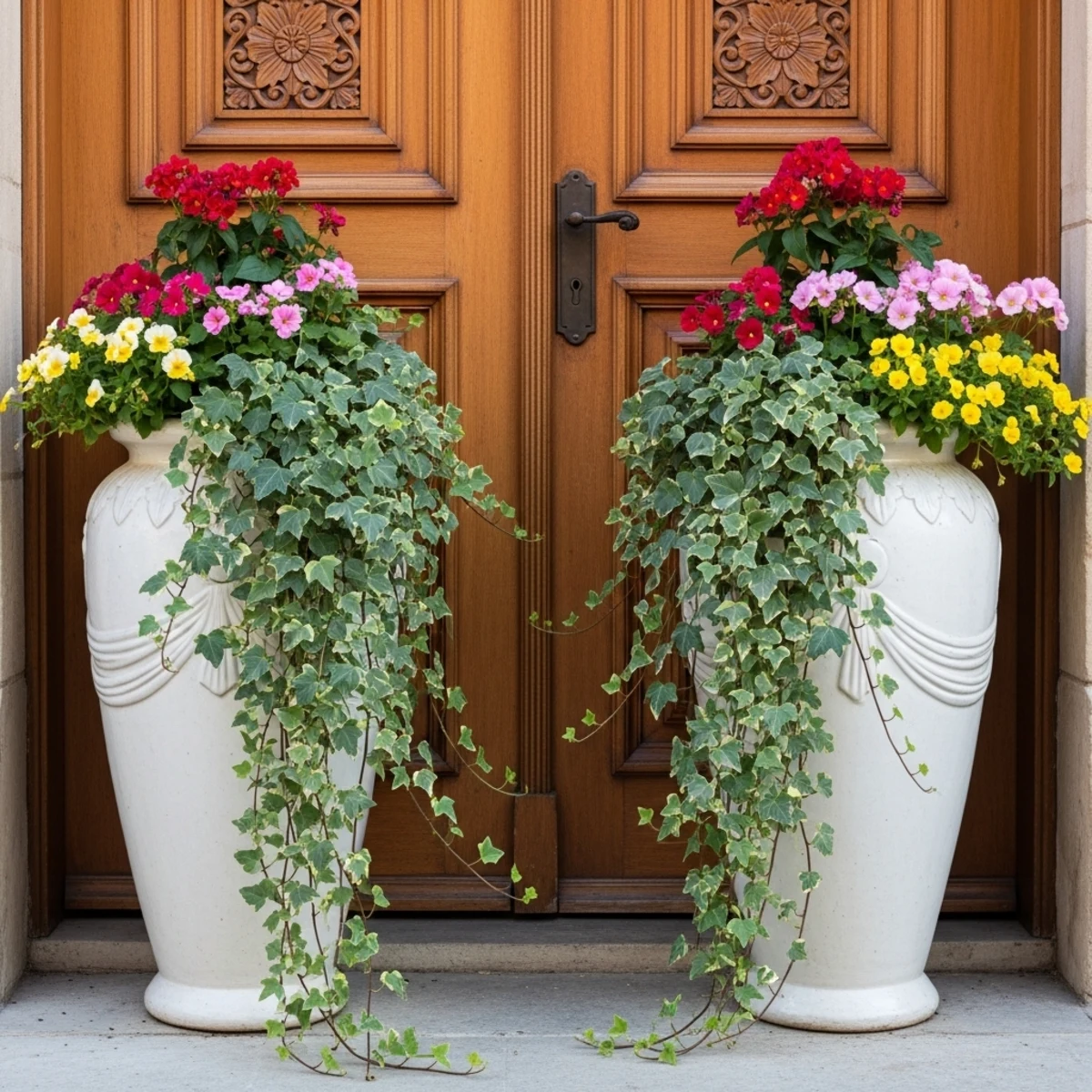
A pair of substantial frost-proof glazed ceramic planters flanking the front door allows you to rotate seasonal color effortlessly—pansies and tulips in spring, trailing calibrachoa in summer, ornamental kales and mums in fall, and evergreen boughs with winterberries in December.
Professional Design Specs & Tips
- Substantial 24-inch tall containers command immediate visual authority
- Allows dynamic four-season color rotations without digging up landscape beds
- Elevates trailing flowers closer to eye level for arriving guests
- • Easy seasonal floral refreshes
- • Adds rich glazed accent colors matching front door
- • Versatile placement
- • Heavy containers require dollies to relocate
- • Soil must be amended with perlite for rapid drainage
Self-Contained Bubbling Stone Entry Fountain
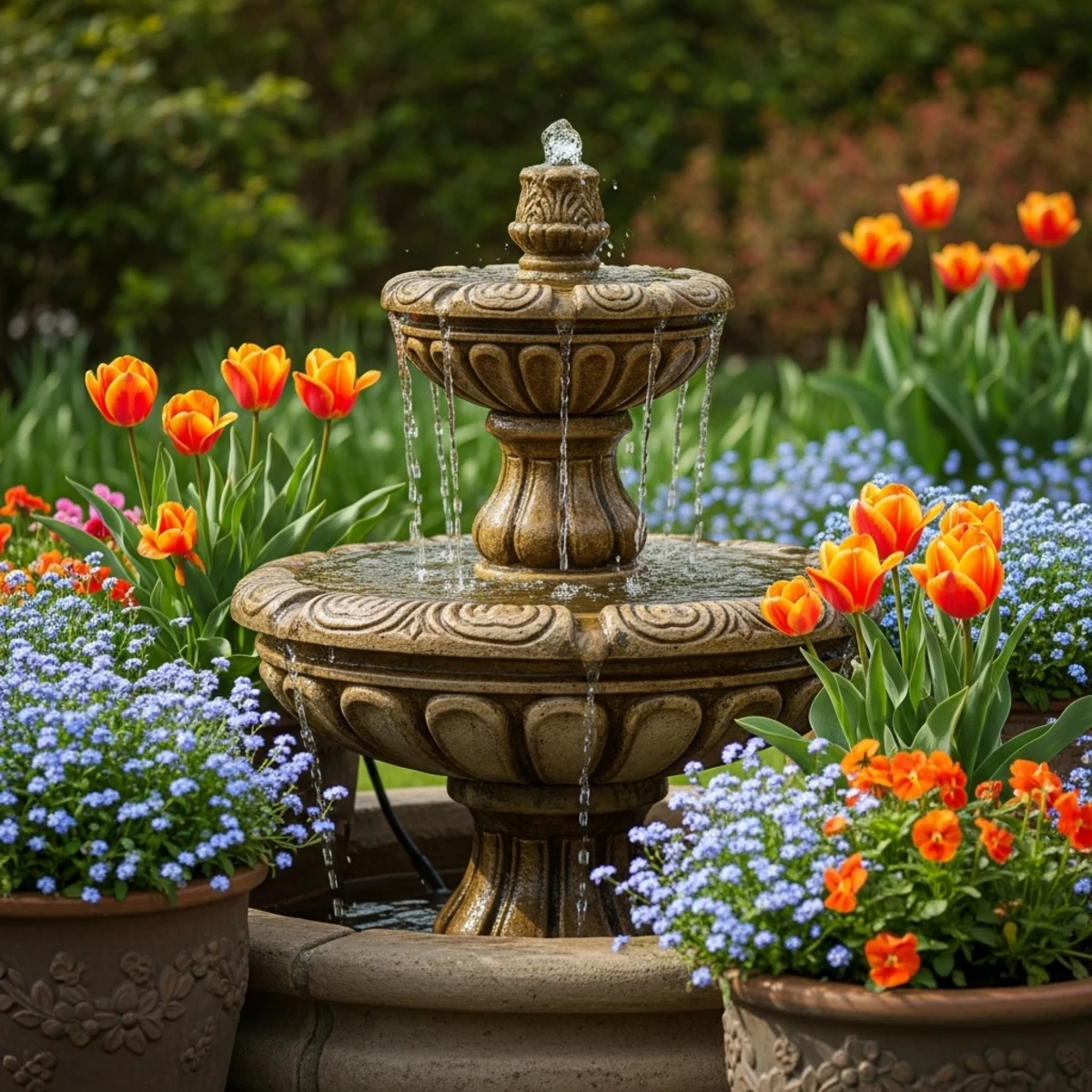
The gentle acoustic splash of a recirculating basalt column or glazed urn fountain masks neighborhood street traffic and welcomes visitors with tranquil ambiance. Self-contained underground water basins eliminate standing surface pools, making them child- and pet-safe.
Professional Design Specs & Tips
- Underground gravel reservoir prevents standing water and mosquito breeding
- Audible water flow creates a peaceful threshold masking vehicle noise
- Attracts native hummingbirds and goldfinches right to your front window
- • Soothing ambient acoustic privacy
- • No open surface water hazard
- • Minimal water evaporation
- • Submersible pump must be drained before winter freezing
- • Requires dedicated outdoor GFCI electrical outlet
Architectural Timber Entry Arbor & Climbing Clematis
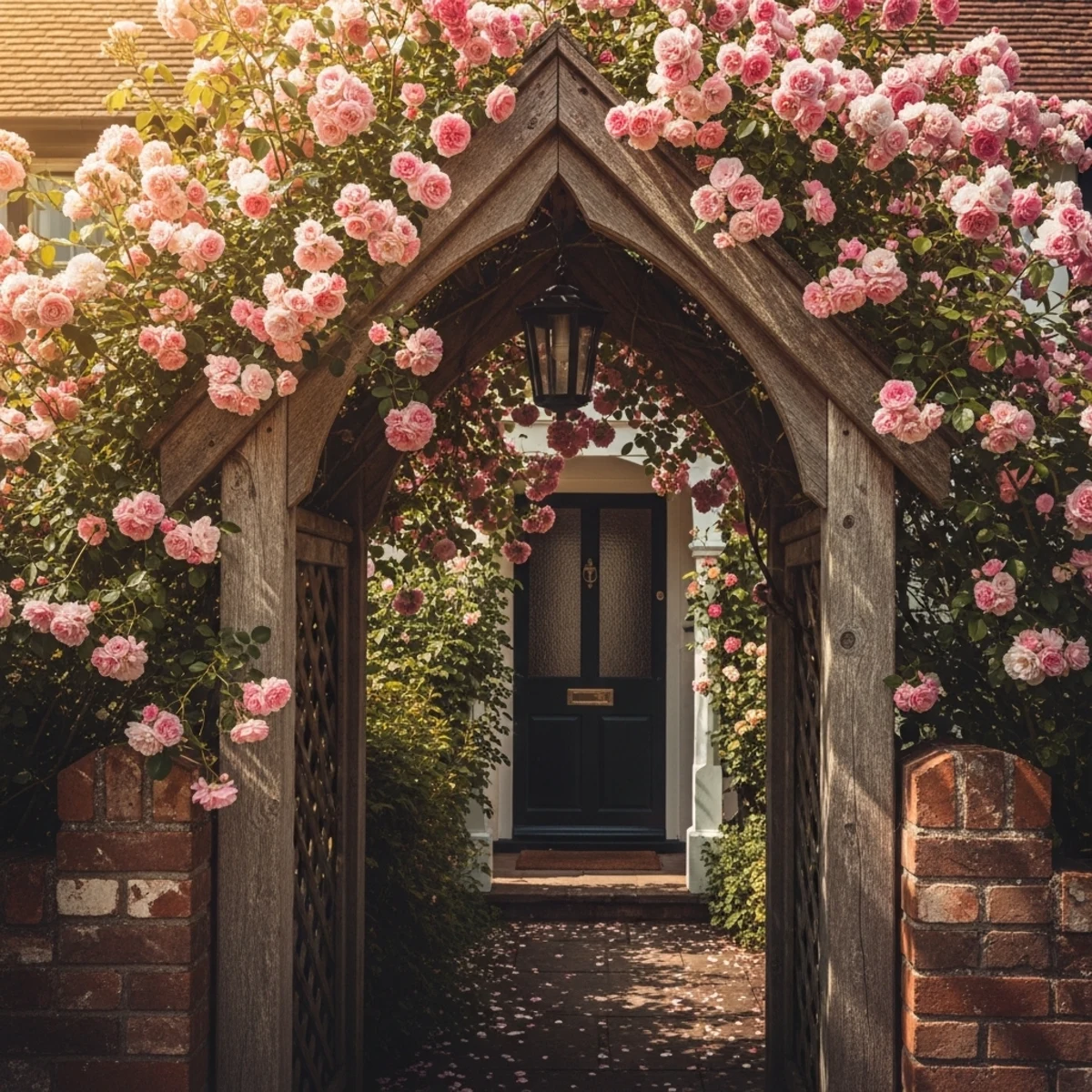
Positioning a handcrafted cedar or vinyl arbor at the threshold where front walkway meets municipal sidewalk defines a ceremonial sense of arrival. Training sweet autumn clematis or climbing roses up the side lattice provides overhead shade and heavenly fragrance.
Professional Design Specs & Tips
- Creates a dramatic physical gateway distinguishing public sidewalk from private lawn
- Heavy 4x4 cedar posts set in concrete footings resist 60-mph coastal gusts
- Overhead crossbeams frame front door perfectly in photographic curb appeal shots
- • Adds immediate vertical architecture to flat lawns
- • Frames the entryway beautifully
- • Supports flowering fragrant climbers
- • Wood structures require periodic sealing or staining
- • Vines require seasonal training and pruning
Crisp Spaded Trench Edging with Dark Hemlock Mulch
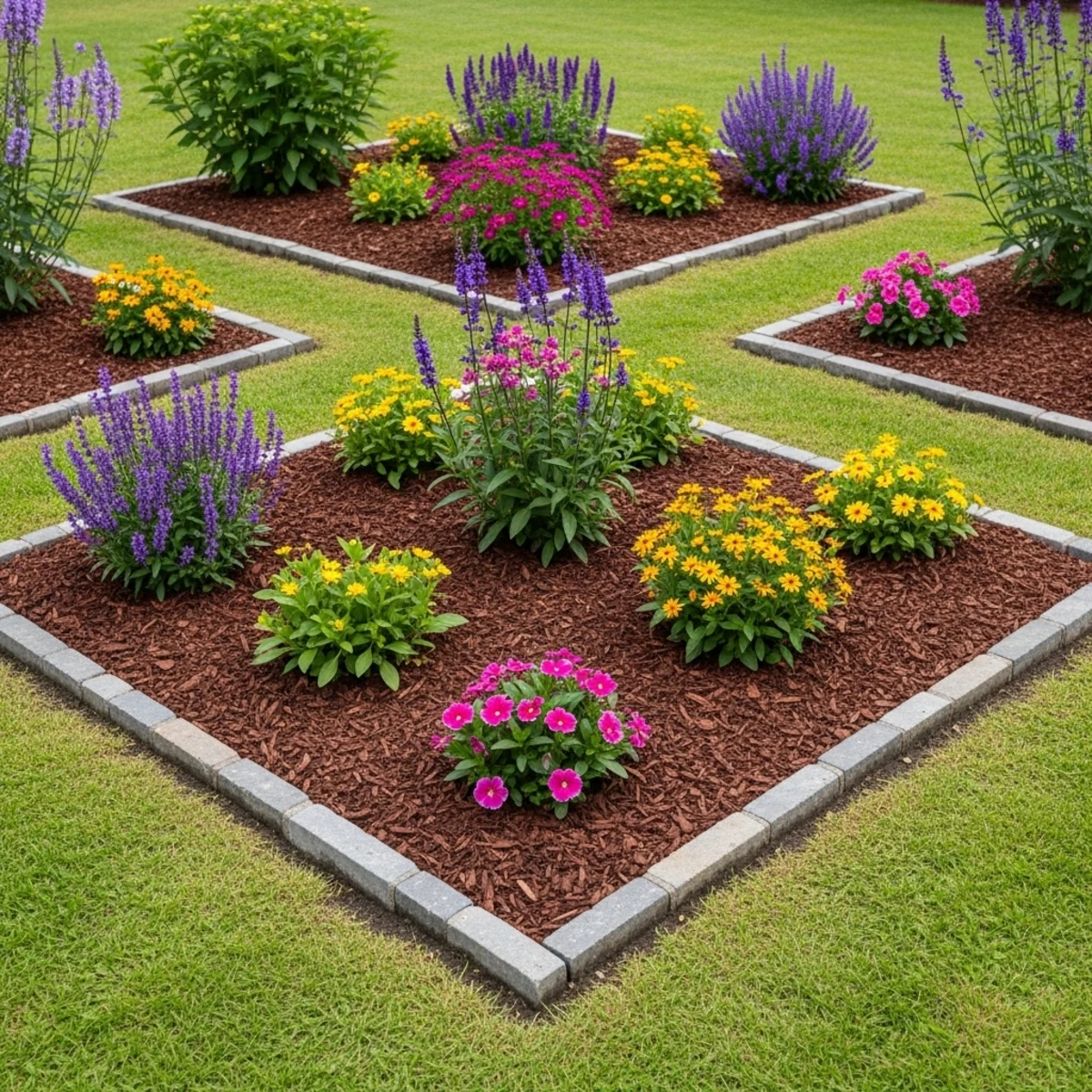
A razor-sharp, 4-inch hand-spaded edge dividing Kentucky bluegrass turf from dark bark mulch creates high-contrast professional polish. A 3-inch layer of organic shredded bark locks in soil moisture, cools shrub root zones, and prevents weed germination.
Professional Design Specs & Tips
- Hand-trenched V-cut edges eliminate cheap cracking plastic border strips
- Dark brown hemlock or pine bark mulch provides vivid contrast against bright turf
- Decomposing natural bark feeds earthworms and builds topsoil organic matter
- • Most cost-effective curb appeal upgrade available
- • Zero synthetic plastic edging materials
- • Preserves soil moisture
- • Trenches must be re-cut once or twice annually
- • Mulch requires annual 1- to 2-inch top-dressing
Softening Modern Lines with Ornamental Grasses
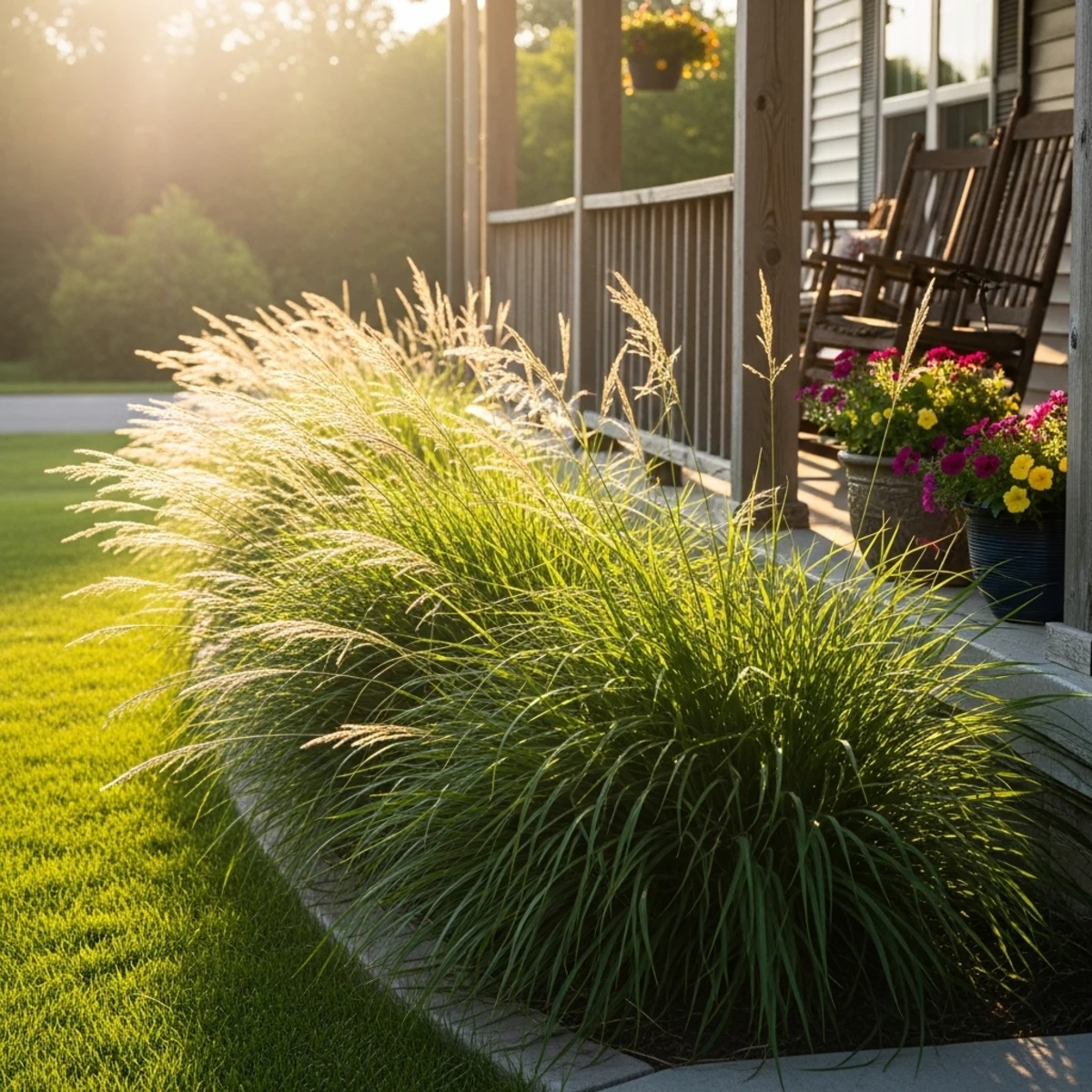
Mass planting Karl Foerster feather reed grass and dwarf fountain grass along entry walkways brings kinetic motion and gentle rustling sounds with every breeze. Their upright golden seed heads remain standing through heavy winter blizzards, providing architectural winter interest.
Professional Design Specs & Tips
- Upright vertical blades contrast beautifully against broad evergreen shrub foliage
- Tan seed plumes persist throughout December and January for winter texture
- Exceptionally drought-tolerant and immune to deer and rabbit grazing
- • Continuous kinetic motion and sound
- • Superb winter landscape architecture
- • Completely deer and rabbit resistant
- • Must be sheared down to 4 inches in late March
- • Requires full sun for rigid vertical stems
Low-Maintenance River Rock & Pebble Dry Beds
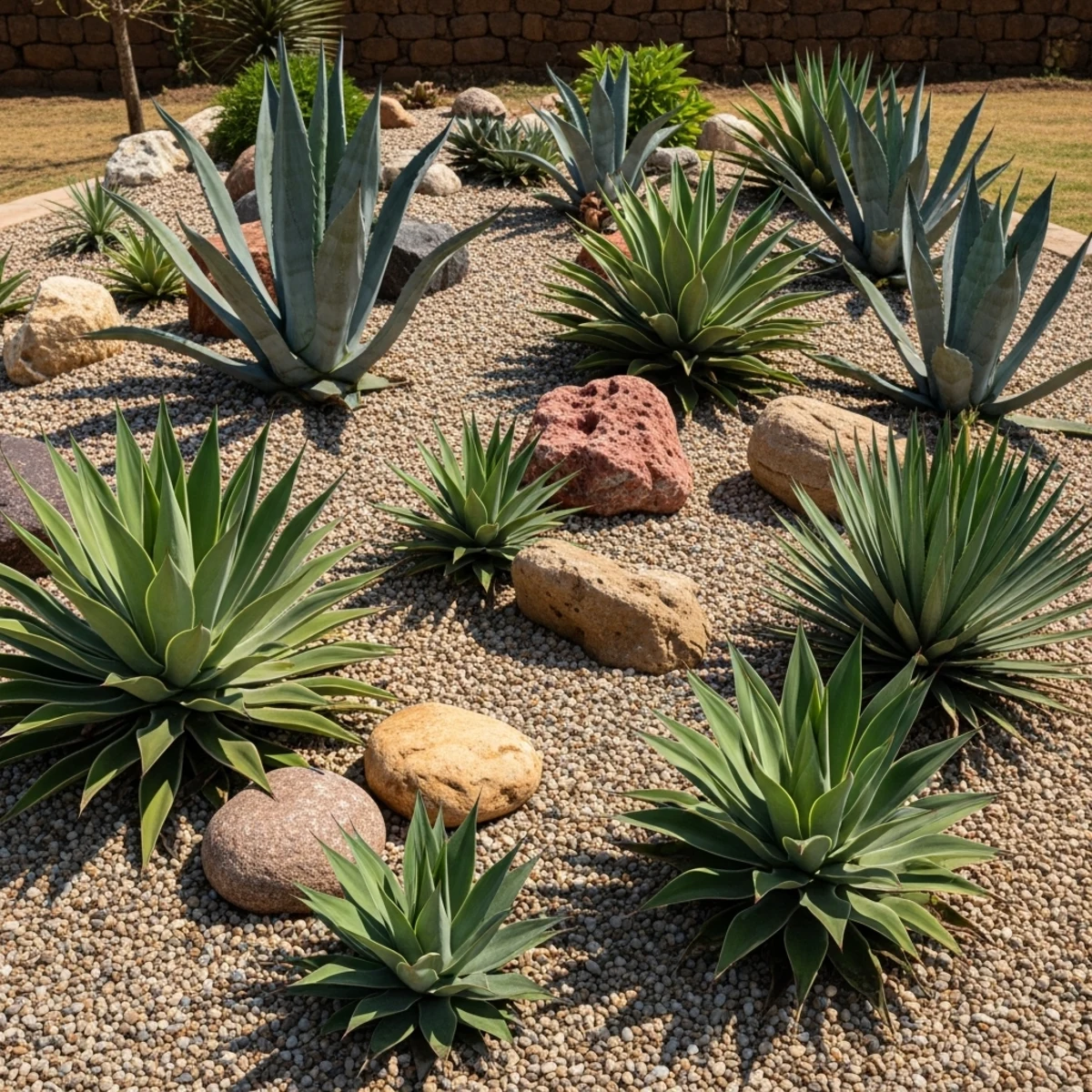
Replacing organic mulch with 1- to 2-inch smooth New England river stones or Mexican beach pebbles creates a contemporary, weed-resistant groundcover under house eaves. River rock never washes away in torrential downpours and prevents mud splashing against front siding.
Professional Design Specs & Tips
- Smooth tumbled stones reflect architectural sunlight onto front facade
- Prevents gutter overflow and roof drip lines from eroding front soil
- Underlaid with heavy woven geotextile fabric for decade-long weed suppression
- • Never needs annual replacement like mulch
- • Zero mud splatter on light-colored siding
- • Excellent stormwater infiltration
- • Higher upfront material cost than wood mulch
- • Fallen autumn leaves must be blown off regularly
Dry-Stacked Fieldstone Raised Planters & Walls
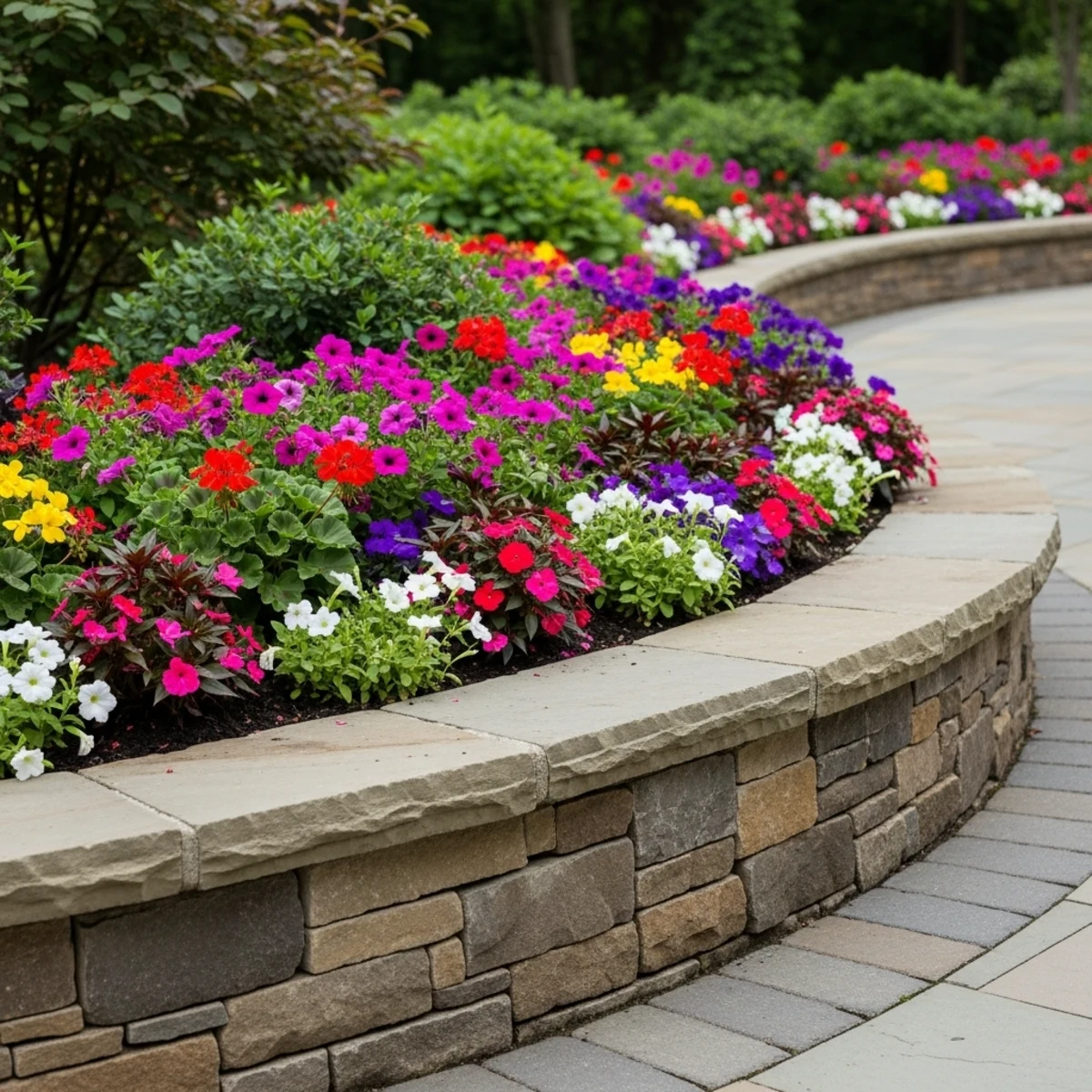
Building a 2-foot natural dry-stacked fieldstone or granite retaining wall along a sloping front yard elevates foundation flowers directly to eye level. The heavy stone masonry grounds the architecture and adds enduring historical character to suburban homes.
Professional Design Specs & Tips
- Terraced stone levels tame steep front entryway slopes into usable garden tiers
- Natural Massachusetts granite and fieldstone age with graceful lichen and moss
- Elevated planting beds improve soil drainage and ease seasonal maintenance
- • Permanent structural investment lasting generations
- • Improves soil drainage on heavy clay slopes
- • Substantial property value boost
- • Requires skilled dry-stone masonry or professional crew
- • Significant heavy material delivery required
Irregular Stepping Stones Embedded in Dwarf Turf
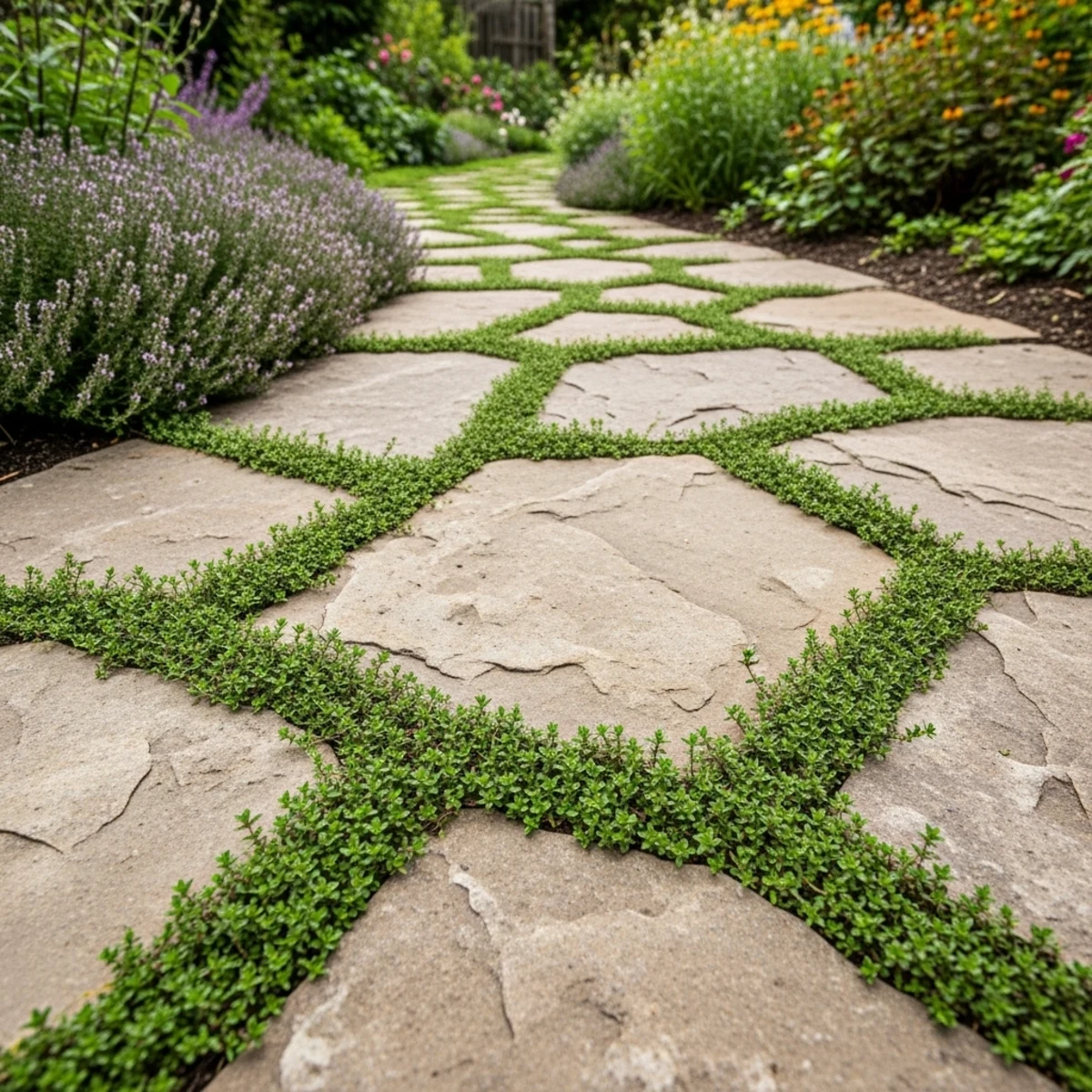
For secondary entry routes from driveway to front porch, embedding oversized natural bluestone steppers directly into the lawn offers clean footwear transit without bisecting the yard with unbroken concrete. Mowers glide smoothly over flush-set stones.
Professional Design Specs & Tips
- Flush stone installation allows lawnmowers to pass directly overhead without chipping
- Preserves uninterrupted expansive lawn views while providing dry footpaths
- Surrounded by drought-hardy creeping thyme or dwarf fescue turf
- • Informal natural aesthetic
- • Allows seamless mowing without string trimmer
- • Low installation footprint
- • Stones must be leveled precisely to avoid trip hazards
- • Turf edges around stones require seasonal trimming
Cozy Front Porch Teak or Cedar Welcome Bench
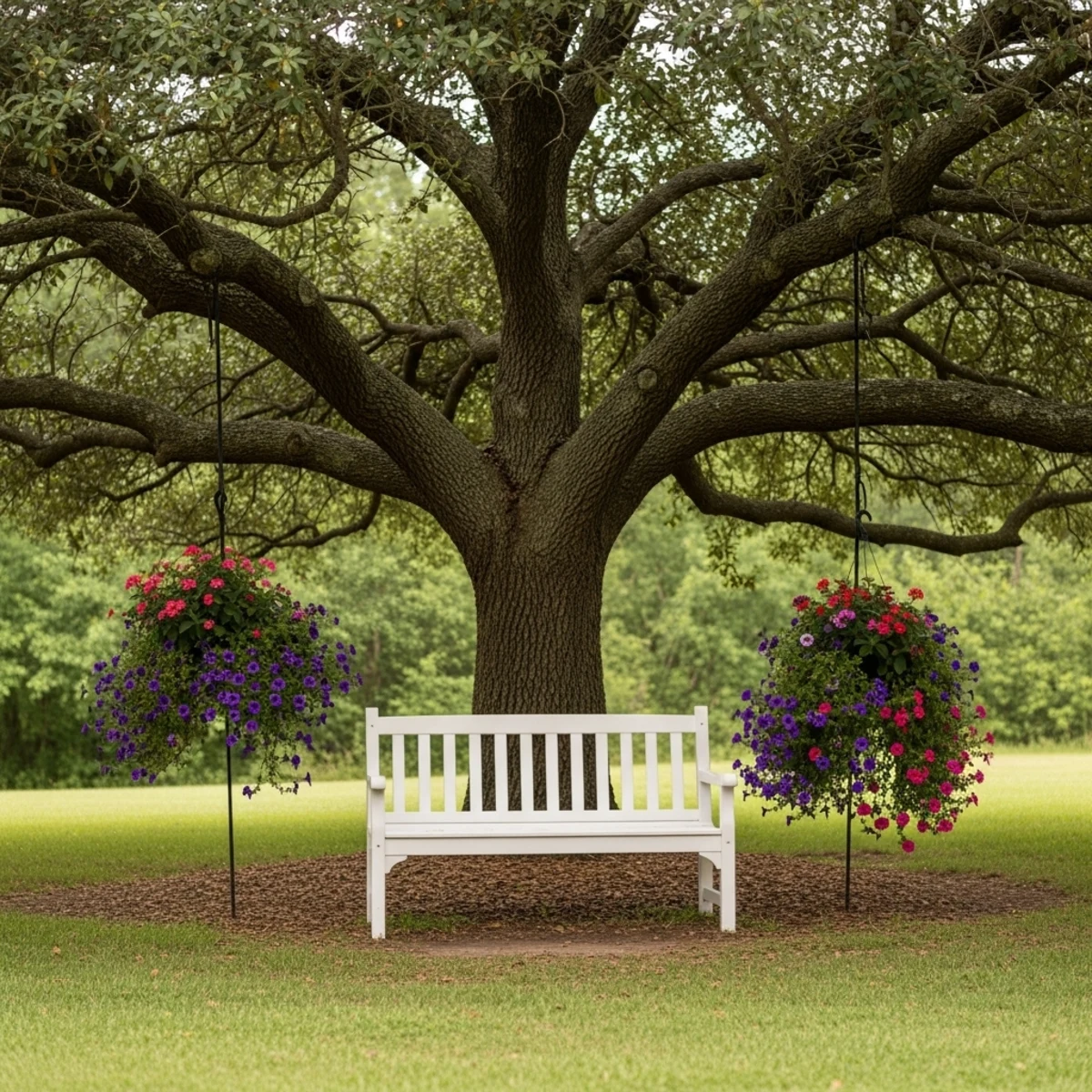
An inviting natural teak, cedar, or wrought-iron bench tucked beside the front door instantly signals hospitality. It provides a functional resting spot for removing muddy winter boots or setting down heavy grocery bags while unlocking the entrance.
Professional Design Specs & Tips
- Warm natural timber seating softens stone and siding surfaces
- Flanked by tall outdoor lanterns and potted seasonal flowers
- Encourages front-yard neighborly interaction and outdoor relaxation
- • Highly functional everyday resting spot
- • Adds immediate cozy residential warmth
- • Durable outdoor timber withstands rain
- • Porch landing must be at least 6 feet deep to prevent congestion
- • Wood requires annual teak oiling to preserve golden tint
High-Contrast Colorful Foliage & Japanese Maples
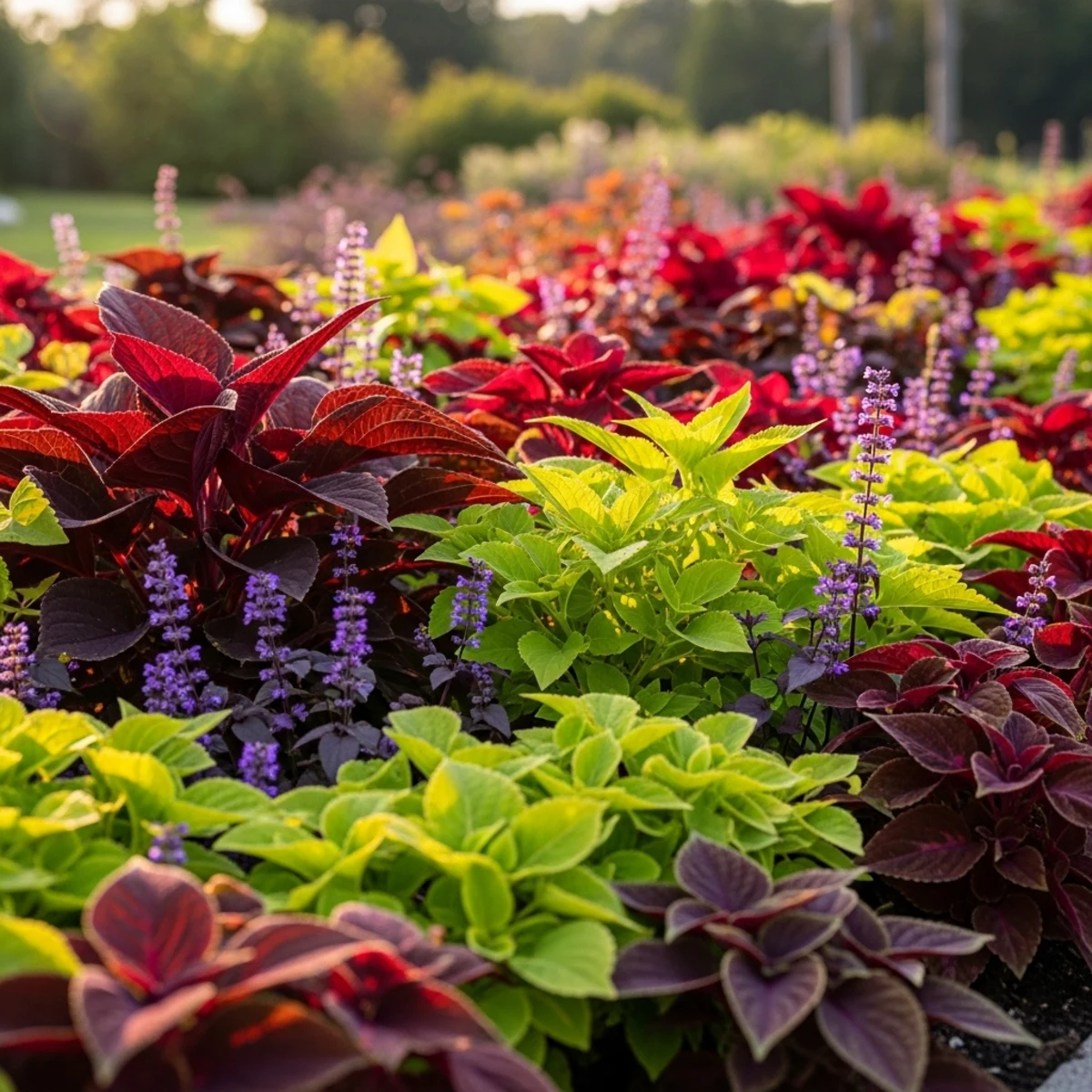
Relying strictly on seasonal flower blooms can leave foundation beds dull between blossom cycles. Incorporating vibrant foliage plants—such as dwarf Bloodgood Japanese maples, gold-leaf spirea, and coral bells (Heuchera)—delivers vivid leaf color from April frost to November snow.
Professional Design Specs & Tips
- Deep burgundy Japanese maple leaves contrast against cream or white siding
- Chartreuse hostas and gold spireas brighten shady northern entry exposures
- Consistent color without waiting for fickle flower blossoms to open
- • Nonstop color from spring bud to winter dormancy
- • Low deadheading maintenance compared to annual flowers
- • Architectural branching
- • Japanese maples need shelter from severe northwest winter winds
- • Heucheras require well-draining soil to prevent crown rot
Lush Overflowing Porch Hanging Baskets
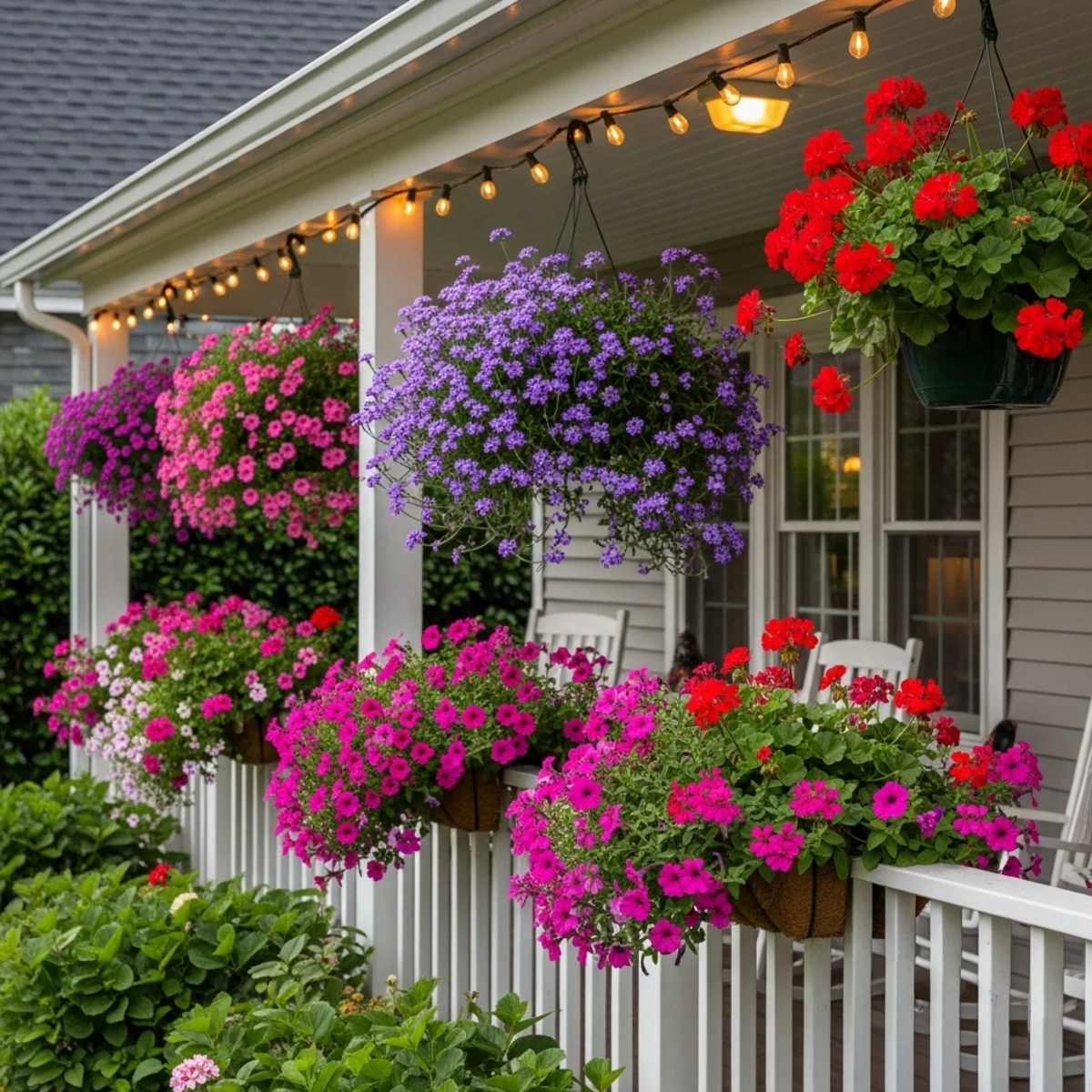
Suspending self-watering or coco-fiber hanging baskets overflowing with trailing million bells (Calibrachoa), ivy geraniums, and sweet potato vines draws gaze upward toward porch architecture. Baskets frame the entry door in living cascades of blossoms.
Professional Design Specs & Tips
- Draws eye upward, emphasizing stately porch ceiling height and columns
- Utilizes vertical porch space without occupying floor landing room
- Coco-lined baskets provide excellent air exchange for healthy root systems
- • Fills empty upper porch vertical space
- • Vibrant eye-level floral impact
- • Easily swapped for holiday evergreen spheres in winter
- • Requires daily watering during hot summer heat waves
- • Heavy when wet; requires reinforced ceiling hooks
Glacial Granite Boulder Natural Focal Accents
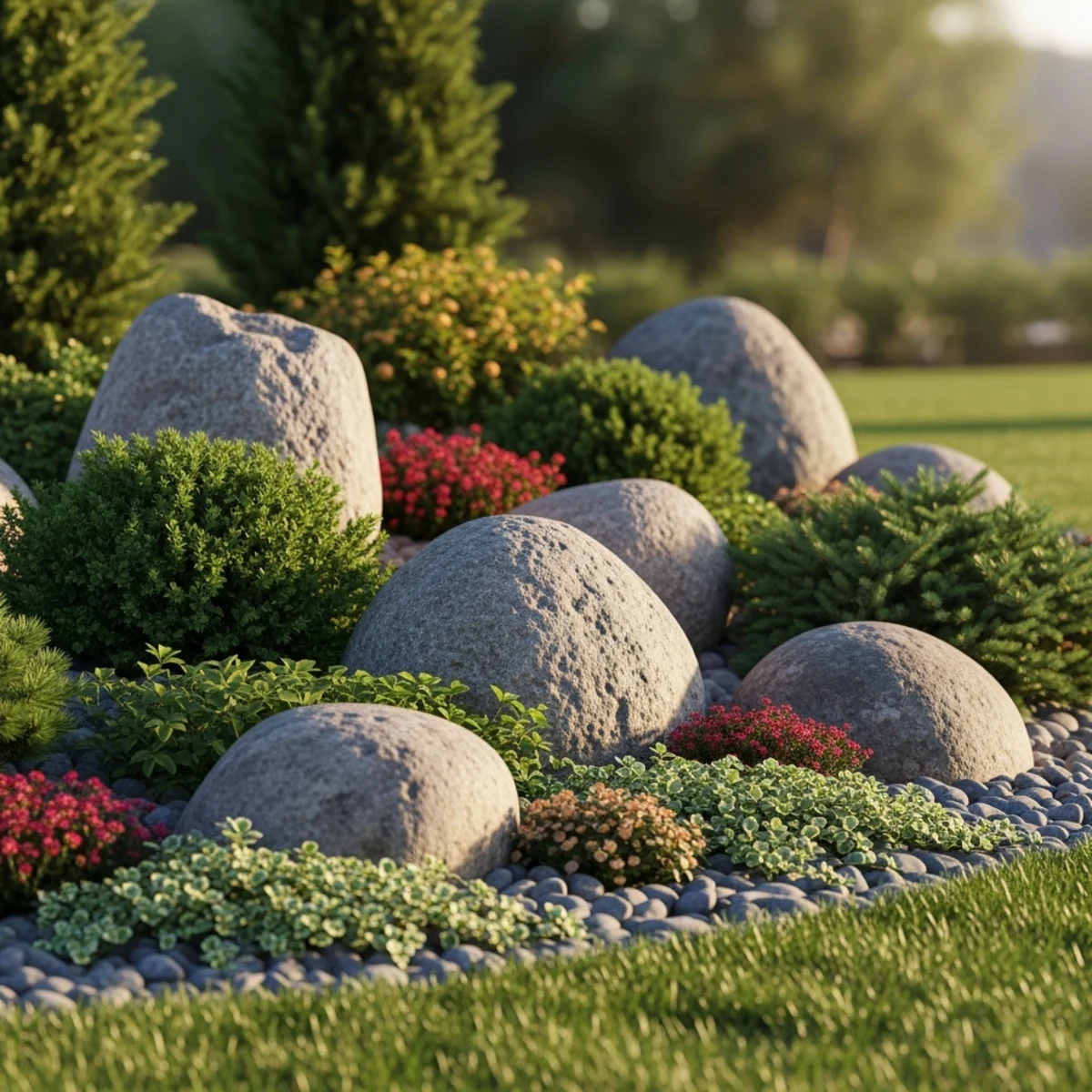
Anchoring front entry garden beds with one or three massive native Massachusetts granite fieldstone boulders adds permanent geological weight. Sunk one-third into the ground, boulders look as though they emerged naturally from the New England landscape.
Professional Design Specs & Tips
- Buried 30% below grade to give boulders an authentic, grounded geological look
- Native lichen and moss develop on rough granite surfaces over time
- Provides permanent landscape interest that remains visible through 2 feet of snow
- • Zero lifetime maintenance or degradation
- • Anchors delicate perennials with substantial stone weight
- • Authentic New England character
- • Heavy boulders require skid-steer machinery for installation
- • Cannot be easily relocated once positioned
Specimen Flowering Dogwood or Serviceberry Tree
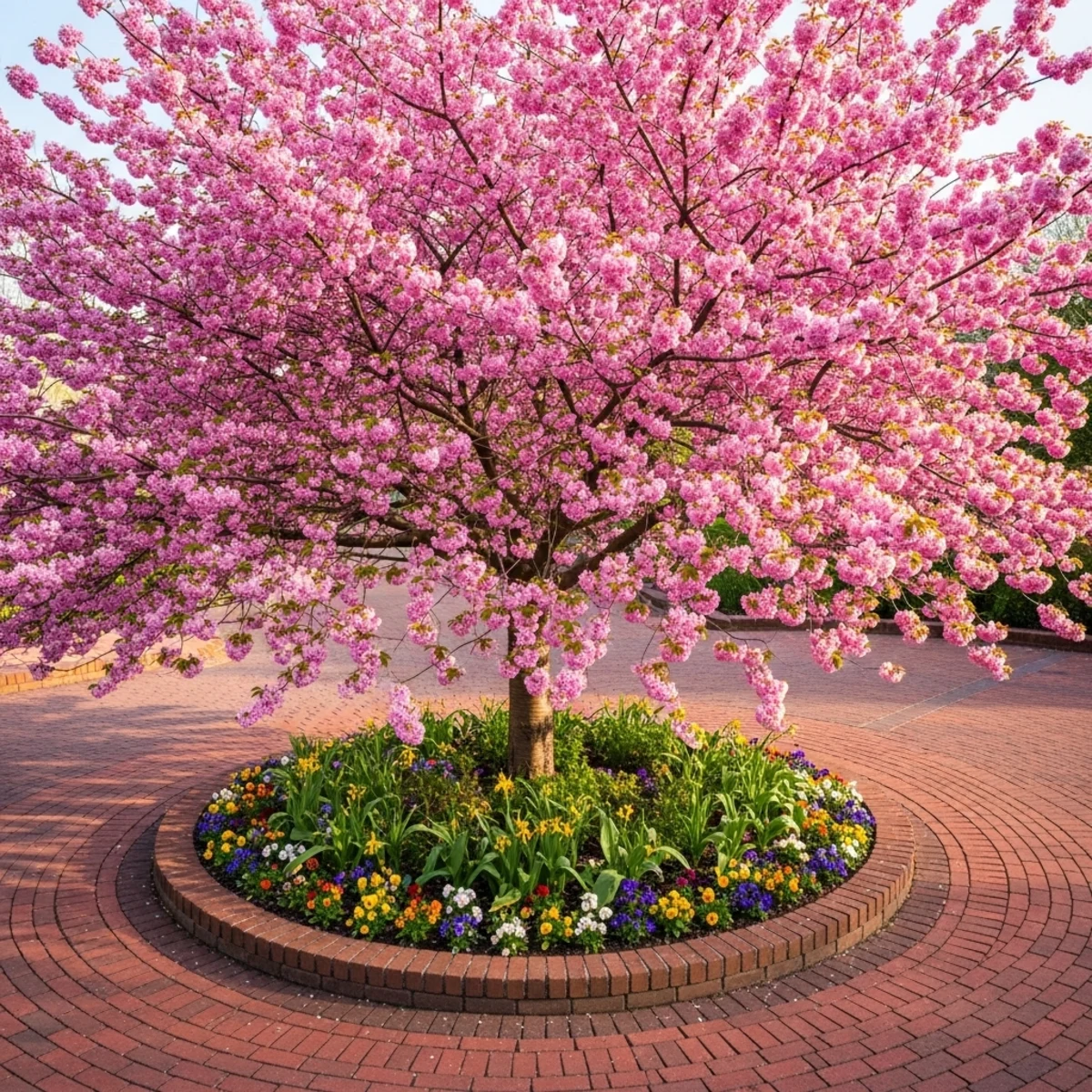
Planting a graceful native small specimen tree—such as a Pagoda Dogwood (Cornus alternifolia) or Autumn Brilliance Serviceberry (Amelanchier)—provides human-scale canopy that bridges the height difference between a 2-story home roofline and low foundation shrubs.
Professional Design Specs & Tips
- Provides breathtaking four-season interest: spring flowers, summer berries, and scarlet fall leaves
- Compact 15- to 20-foot mature height never threatens overhead utility wires
- Open horizontal branch tiers cast delicate dappled shade over entry walkways
- • Perfect proportion for suburban front yards
- • Native tree supports songbirds with edible summer fruit
- • Non-invasive non-aggressive root systems
- • Requires initial formative branch pruning in dormant late winter
- • Needs consistent moisture during its first two growing seasons
Sculpted Curved Turf Perimeter & Soft Berms
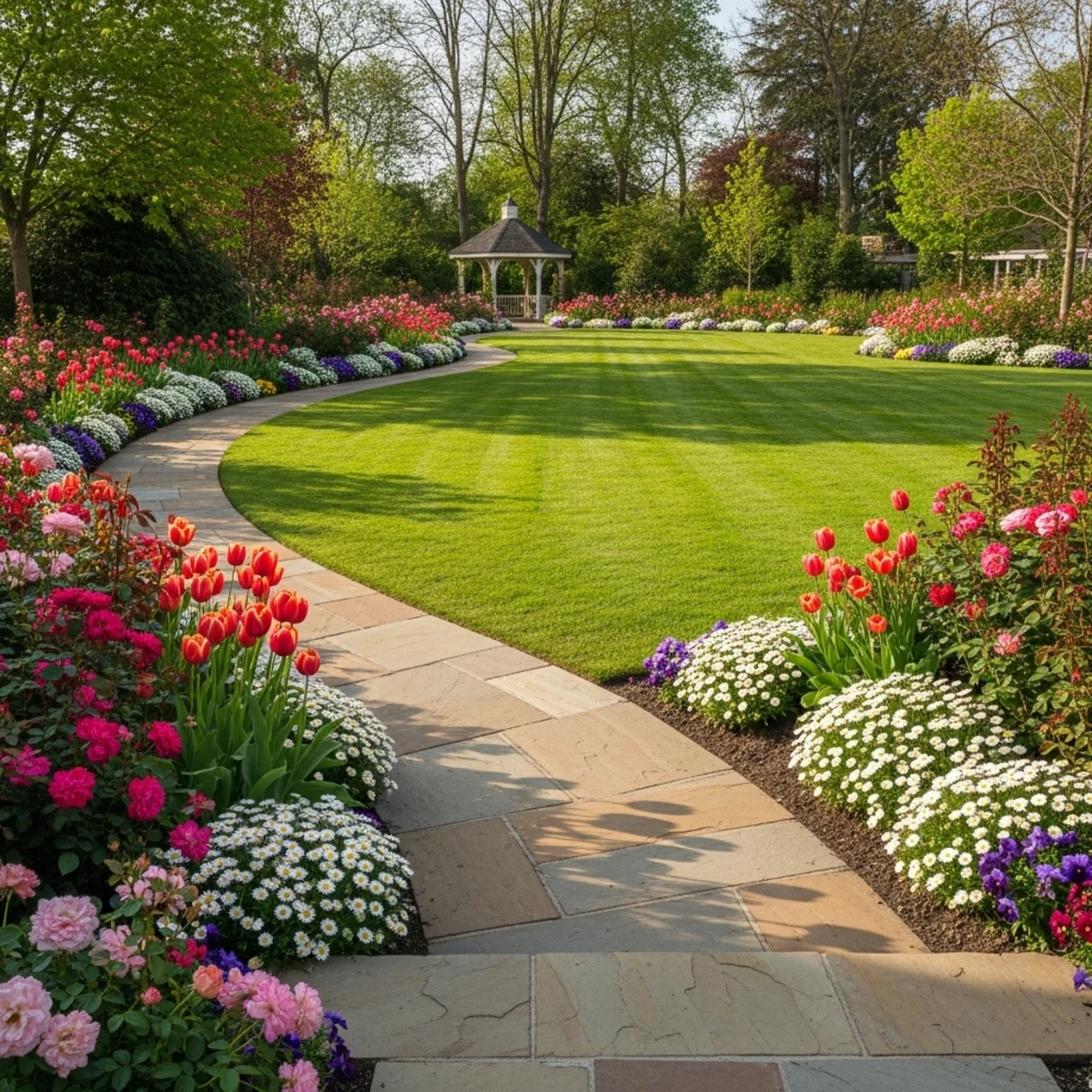
Replacing straight rectangular front lawn borders with sweeping organic curves transforms a standard subdivision yard into an expansive estate setting. Gently elevating planting beds into soft 12-inch soil berms adds three-dimensional topography to otherwise flat front yards.
Professional Design Specs & Tips
- Organic serpentine lawn edges make small front yards feel 30% wider
- Slight 12-inch soil berms elevate foundation plants above road splash zones
- Smooth curves facilitate swift, continuous passes with riding or push mowers
- • Softens rigid suburban street grids
- • Improves soil drainage on flat sites
- • Easier mowing paths with zero sharp 90-degree corners
- • Requires preliminary soil grading and berm compaction
- • Needs diligent trench maintenance to retain crisp curves
Cost & Timeline Benchmarks
Front Entry Upgrades: Cost, Timeline & Maintenance Comparison
| Entry Feature | Est. Cost Range | Install Duration | Maint. Level | Zone 6b Hardiness |
|---|---|---|---|---|
| Spaded Edging & Mulch | $150 - $450 | 1 Day | Low (Annual refresh) | 100% Frost Proof |
| Doorway Topiary Urns | $250 - $700 | 2 Hours | Moderate (Weekly water) | High (Need drainage) |
| Low-Voltage Path Lighting | $400 - $1,200 | 1 - 2 Days | Very Low | 100% Weatherproof |
| Natural Flagstone Walkway | $2,500 - $6,500 | 3 - 5 Days | Low (Joint sweep) | Indestructible Bluestone |
| Bubbling Rock Urn Fountain | $800 - $2,200 | 1 - 2 Days | Moderate (Winter drain) | Winterization Req. |
| Dry-Stacked Stone Wall | $3,000 - $8,000 | 4 - 7 Days | Zero Maintenance | Permanent Granitic |
Expert Guidance
Frequently Asked Questions: Front Entry Landscaping
Answers
Frequently asked questions
01How can I dramatically improve my front entry curb appeal on a modest budget?
The highest-ROI budget curb appeal upgrades include hand-trenching crisp 4-inch bed edges, applying 3 inches of dark hemlock mulch, installing solar path lighting, flanking the front door with two oversized matching urn planters, and pressure-washing existing concrete steps.
02What are the best low-maintenance shrubs for front entry foundation beds in Massachusetts?
Top low-maintenance cold-hardy foundation shrubs for Massachusetts Zone 6b include Inkberry Holly (Ilex glabra 'Shamrock'), Dwarf Globe Arborvitae (Thuja occidentalis 'Little Gem'), Compact Yew (Taxus media 'Densiformis'), and Bobo Panicle Hydrangea.
03How wide should a front entry walkway be for comfortable guest transit?
A primary front entry walkway should measure at least 4 to 5 feet wide. This allows two adults to walk comfortably side-by-side from the driveway to the front door, creating an open, welcoming approach rather than a cramped single-file path.
04How do I choose between a curved vs straight front walkway?
Straight walkways suit formal Georgian, Colonial, and modern minimalist architecture where direct sightlines to the front door are paramount. Curved walkways excel on suburban ranch, craftsman, and country cottage homes where meandering through garden beds adds depth and relaxed charm.
05Which perennial flowers provide nonstop color from spring to fall in front yard beds?
A resilient Zone 6b succession includes Daffodils and Creeping Phlox (April-May), Salvia and Catmint (June-July), Coneflowers and Black-Eyed Susans (July-August), and Autumn Joy Sedum and New England Asters (September-October).
06Will front entry plantings survive winter road salt and snow plowing in New England?
Near street curbs and driveways, plant salt-tolerant species such as Rugosa Rose, Inkberry Holly, Daylilies, and Switchgrass. For foundation beds under roof eaves, select sturdy evergreens with flexible branches like Yews that flex under heavy snow shed without snapping.
07How should path lighting be placed along a front walkway to avoid glare?
Stagger path lights along alternating sides of the walkway every 6 to 8 feet, keeping fixtures 12 to 18 inches off the path edge. Use hooded fixtures with warm 2700K LED bulbs directed downward to illuminate paving stones without shining directly into guests' eyes.
08What is the best small ornamental tree to plant near a front door entryway?
The Autumn Brilliance Serviceberry (Amelanchier grandiflora) and Pagoda Dogwood (Cornus alternifolia) are premier choices. They reach manageable 15- to 20-foot mature heights, offer non-invasive root systems safe near foundations, and deliver stunning 4-season interest.
Ready to Elevate Your Front Entry Curb Appeal?
From custom bluestone walkways and granite steps to four-season foundation plantings, our Peabody landscape design team brings timeless New England elegance to your front door.
Get connected with an independent local landscaping professional. Calls go to (877) 537-6896.