Container Gardening · Patio Edible Landscaping
10 Best Fruit Trees to Grow in Pots for Patios & Balconies
Growing productive fruit trees in containers requires four essential rules: (1) select true dwarf rootstocks (such as M27 for apples or natural genetic dwarfs like Bonanza peaches), (2) use a minimum 15-to-25-gallon container with multiple drainage holes, (3) pot in a coarse, well-draining mix of 50% pine bark fines, 30% peat moss, and 20% perlite, and (4) protect roots during New England winters by moving dormant trees into an unheated garage (28°F–40°F) or wrapping pots in heavy straw mulch.
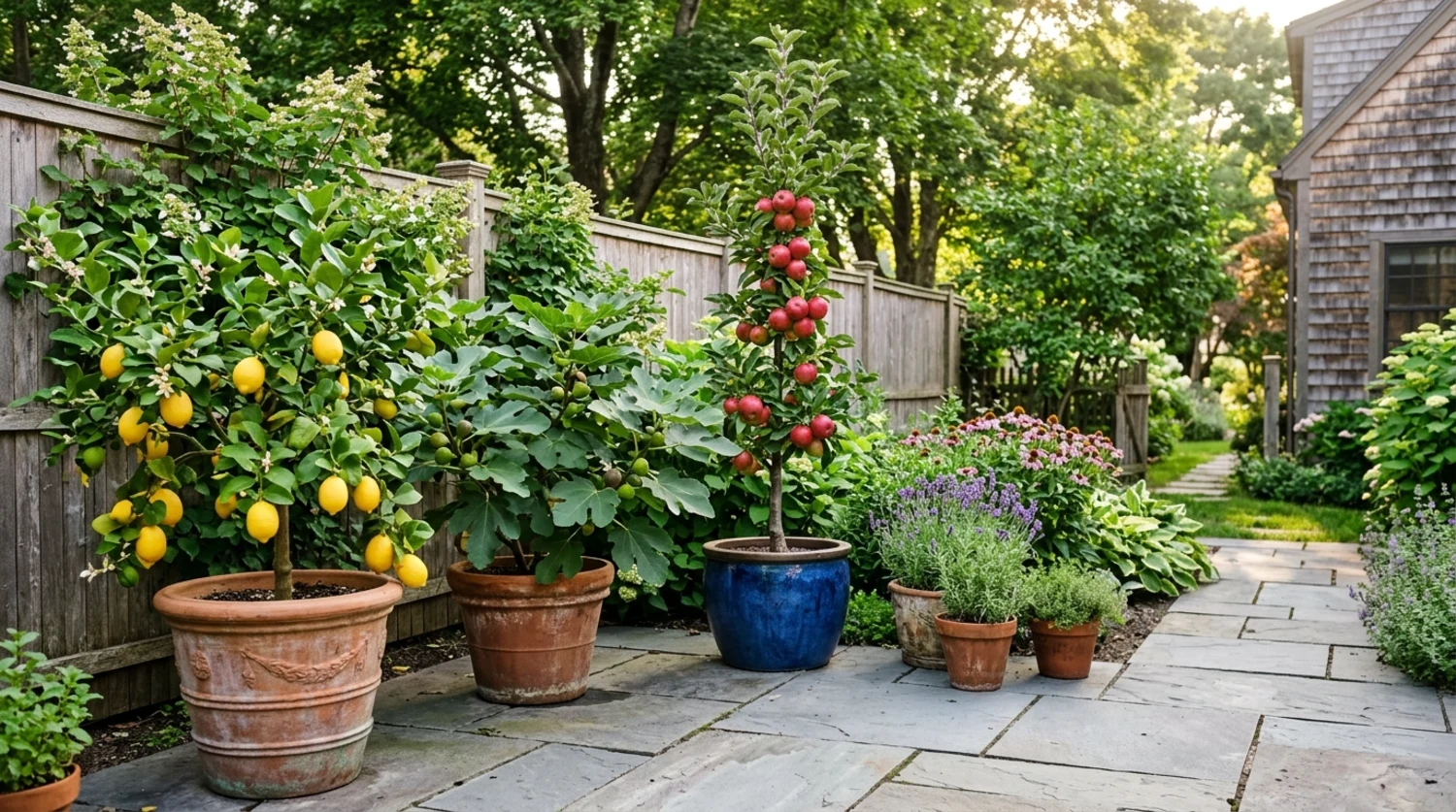
Why Potted Fruit Trees Are the Ultimate Small-Space Solution
Growing fruit trees in containers offers distinct advantages that in-ground planting cannot match. First, confining tree root zones naturally stunts vegetative top growth, keeping canopies at a manageable 5 to 8 feet without compromising fruit size or sweetness.
Second, container trees are fully mobile. Homeowners can position trees to track maximum solar exposure throughout the summer months, roll tender citrus and figs indoors before early autumn frosts, and completely bypass poor native soil conditions, rocky glacial till, and heavy clay subsoils.
Horticultural Specifications
10 Potted Fruit Trees Compared: Soil, Hardiness & Yield Benchmarks
| Fruit Tree | Min Container | Target Soil pH | Hardiness Zone | Chill Hours | Annual Yield | Top Container Cultivar |
|---|---|---|---|---|---|---|
| Meyer Lemon | 15–20 Gal | 6.0–6.5 | Zone 8–11 (Winter Indoors) | 0–100 hrs | 25–50 fruits | Improved Meyer Dwarf |
| Backyard Fig | 15–25 Gal | 6.0–6.8 | Zone 6–10 (Winter Shelter) | 100–300 hrs | 30–60 fruits | Chicago Hardy, Celeste |
| Dwarf Apple | 20–25 Gal | 6.2–6.8 | Zone 4–8 (Hardy Outdoors) | 700–900 hrs | 30–50 lbs | Honeycrisp, Liberty (M27) |
| Patio Peach | 15–20 Gal | 6.0–6.5 | Zone 5–9 | 400–600 hrs | 20–35 lbs | Bonanza Dwarf, Pix Zee |
| European Plum | 20–25 Gal | 6.0–6.8 | Zone 5–9 | 700–900 hrs | 25–40 lbs | Mount Royal, Stanley |
| Tart Cherry | 20–25 Gal | 6.2–6.8 | Zone 4–8 | 800–1000 hrs | 20–30 lbs | Northstar, Montmorency |
| Calamondin Orange | 10–15 Gal | 5.8–6.5 | Zone 8–11 (Winter Indoors) | 0–50 hrs | 30–60 fruits | Variegated Calamondin |
| Dwarf Pomegranate | 10–15 Gal | 6.0–7.0 | Zone 7–10 | 100–200 hrs | 15–25 fruits | Nana Dwarf Pomegranate |
| Potted Olive | 15–20 Gal | 6.5–7.5 | Zone 8–10 (Winter Shelter) | 200–300 hrs | 5–15 lbs | Arbequina, Mission |
| Strawberry Guava | 15–20 Gal | 5.5–6.5 | Zone 9–11 (Winter Indoors) | 0–50 hrs | 20–40 fruits | Psidium cattleyanum |
Top 10 Varieties
Detailed Guides for the 10 Best Fruit Trees to Grow in Pots
Improved Meyer Lemon Tree
Indoor/Outdoor Citrus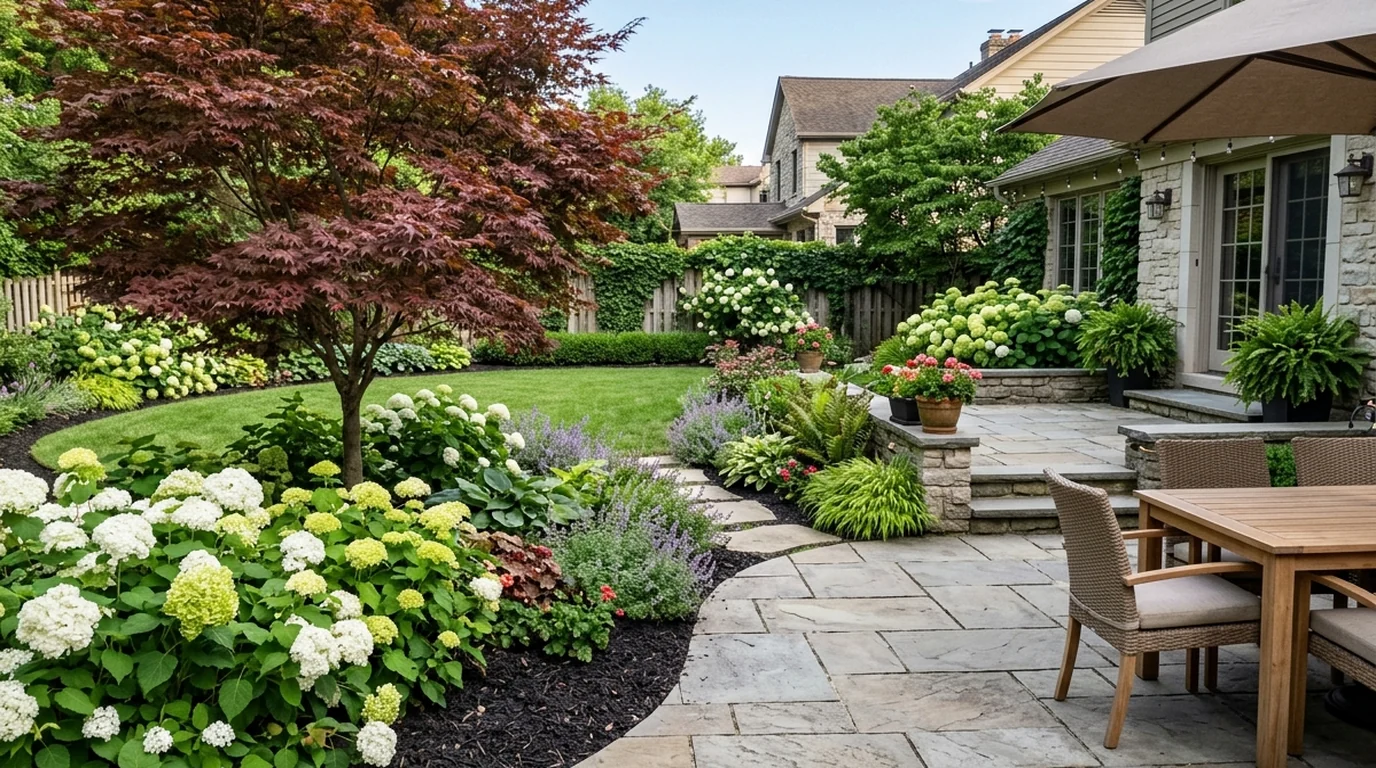
A cross between a true lemon and a mandarin orange, Meyer lemons thrive in large glazed pots basking on sunny outdoor patios from June through September. In late fall, roll the tree indoors to a south-facing sunny window for sweet winter harvests.
Chicago Hardy Fig Tree
Cold-Tolerant Deciduous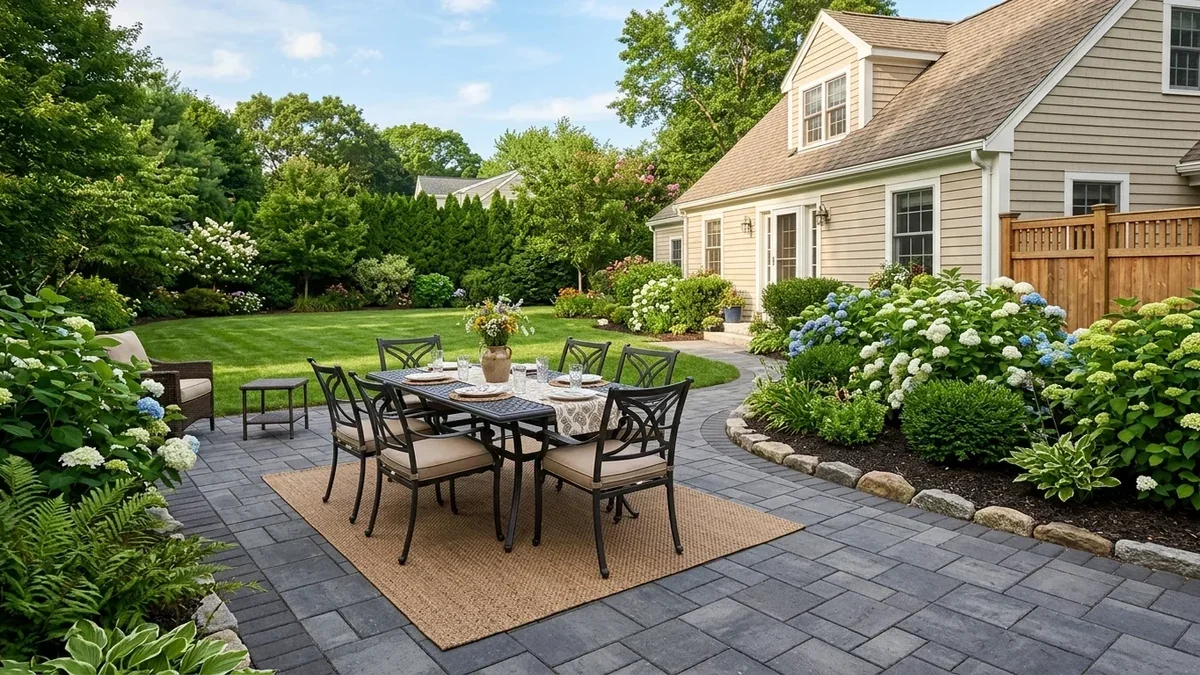
Chicago Hardy figs produce abundant crops of sweet, jammy figs in late summer. Restricting roots inside a 20-gallon pot forces the tree to channel energy into early fruit ripening rather than excessive leafy vegetative growth.
Columnar & Dwarf M27 Apple Tree
Cold-Hardy Temperate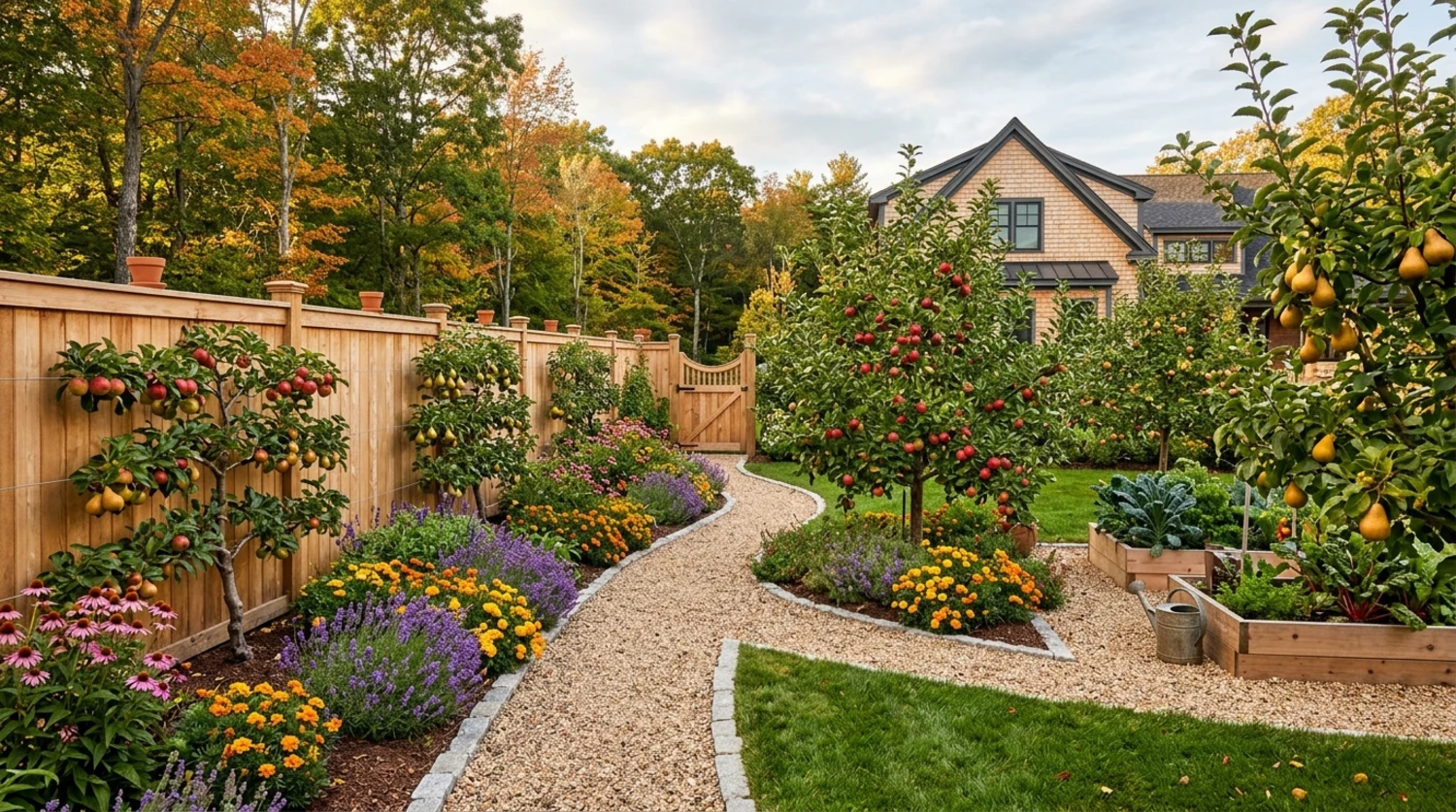
Columnar apples grow as narrow, 2-foot-wide vertical pillars with fruit spurs developing directly along the central trunk. Plant two cross-compatible varieties in decorative planters to enjoy reliable backyard cross-pollination.
Bonanza Miniature Patio Peach
Stone Fruit
Naturally genetically dwarfed to 5 to 6 feet tall, Bonanza peaches produce full-sized freestone peaches on a compact patio frame. The self-fertile tree covers itself in vivid pink blossoms each spring.
Compact European Plum (Mount Royal)
Cold-Resilient Stone Fruit
Mount Royal is considered one of the hardiest, most reliable European plums for New England container cultivation. Plums are delicious eaten fresh, canned, or dehydrated into sweet homemade prunes.
Northstar Dwarf Sour Pie Cherry
Prunus Cerasus
Naturally maturing at just 7 to 9 feet tall, Northstar is the ultimate patio cherry. Beautiful white spring blossoms yield dense clusters of tart red cherries perfect for homemade pies, preserves, and juices.
Calamondin Mini Orange
Ornamental Edible Citrus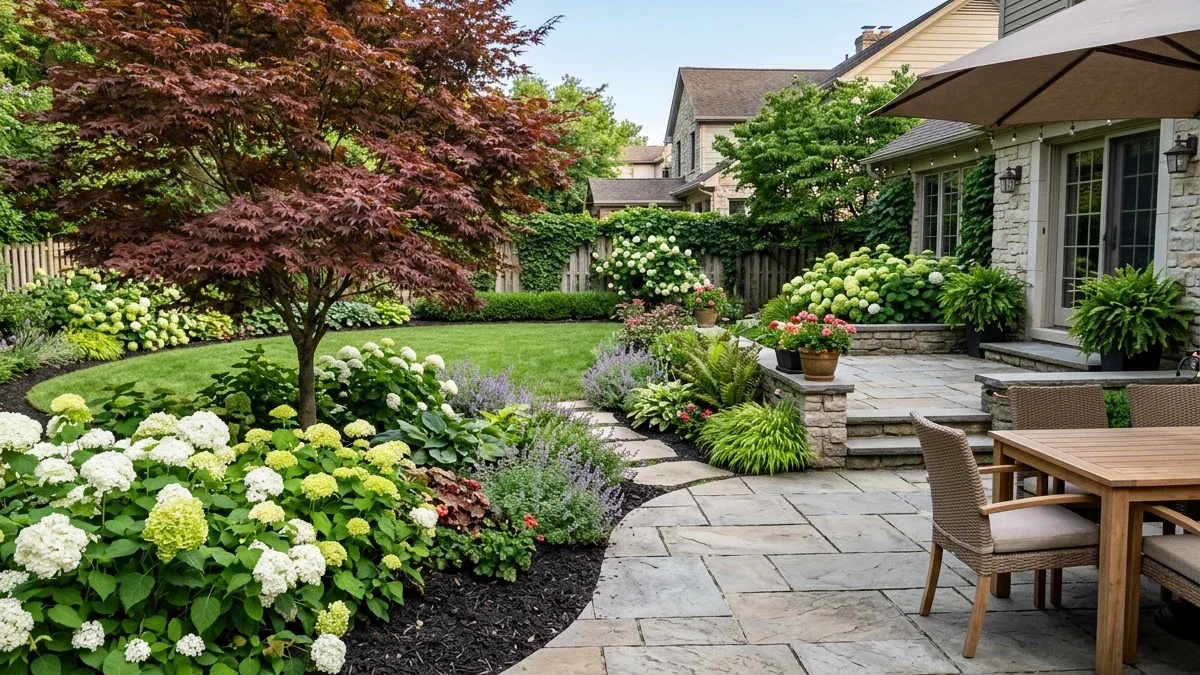
Calamondin is the easiest citrus tree for beginners. It tolerates dry indoor air during New England winters better than any other citrus, providing bright orange fruit used for marmalades, cocktails, and marinades.
Nana Dwarf Pomegranate
Compact Mediterranean
Nana is a true miniature pomegranate cultivar reaching only 3 to 4 feet in height. Glossy green leaves turn bright golden yellow in autumn, and the tart arils are packed with powerful polyphenol antioxidants.
Arbequina Potted Olive Tree
Mediterranean Evergreen
Arbequina olives are self-fertile, precocious producers that begin fruiting in their second year. Their delicate, weeping silvery foliage adds timeless Mediterranean elegance to contemporary bluestone patios.
Strawberry Guava (Psidium Cattleyanum)
Subtropical Exotic
Strawberry guava is a compact subtropical fruit tree that thrives in containers. Summer yields delicious 1.5-inch ruby fruits that can be eaten skin and all, bringing unique tropical flavor to northern gardens.
Cold Climate Management
Winterizing Container Fruit Trees in Massachusetts (Zone 6b)
Unheated Garage & Shed Dormancy
Deciduous trees (figs, apples, peaches, plums, cherries) lose their leaves and enter winter dormancy. They require zero sunlight during this period. Move pots into an attached unheated garage or garden shed where ambient temperatures stay between 28°F and 40°F. Water once per month to keep roots slightly moist.
Indoor Sunny Window Overwintering for Citrus
Broadleaf evergreens like Meyer lemons and calamondins cannot go dormant. Before night temperatures drop below 45°F in October, bring pots inside to a south- or west-facing window receiving at least 6 hours of direct sun. Supplement with an inexpensive LED grow light and mist foliage to counteract dry radiator heat.
Homeowner FAQs
Frequently Asked Questions About Potted Fruit Trees
Answers
Frequently asked questions
01What is the best container size for growing fruit trees?
Start young 1-to-2-year-old dwarf fruit trees in a 10-to-15-gallon container (14 to 16 inches in diameter) and gradually step them up to a permanent 20-to-25-gallon pot (18 to 22 inches in diameter) as root mass expands. Containers must feature multiple bottom drainage holes to prevent root rot and perched water tables.
02Can potted fruit trees survive freezing New England winters?
Potted fruit trees require winter root insulation in USDA Zones 5b and 6b because containerized soil lacks subterranean earth insulation, freezing solid from all sides. Once trees enter full winter dormancy in late November, move containers into an unheated garage, shed, or basement (kept between 28°F and 40°F), or cluster pots together against a south foundation wall and pack with 8 to 12 inches of straw.
03What is the best potting soil mix for container fruit trees?
Never use heavy garden topsoil in containers, as it compacts and chokes root respiration. The ideal potting medium is a custom coarse blend of 50% composted pine bark fines, 30% high-grade peat moss or coco coir, and 20% horticultural perlite or coarse sand. This formula ensures rapid drainage while retaining vital moisture and micronutrients.
Calculate bulk potting soil components with our Topsoil Calculator →
04How often should you water fruit trees in pots?
Containerized fruit trees require far more frequent watering than in-ground trees. During peak summer heat (July and August), check moisture daily and water thoroughly until water freely flows from the bottom drainage holes, usually requiring 2 to 4 gallons every 1 to 2 days. During winter dormancy, reduce watering to once every 3 to 4 weeks simply to prevent root desiccation.
05Do potted fruit trees need a pollinator partner?
Many top potted fruit tree varieties are completely self-fertile, meaning a single tree will produce bountiful crops without a partner. Self-fertile favorites include Meyer lemons, Chicago Hardy figs, Reliance peaches, Montmorency tart cherries, and multi-grafted 4-in-1 family trees. Cross-pollinating varieties like standard apples and sweet cherries require two distinct cultivars blooming concurrently.
06How long do dwarf fruit trees live in containers?
With proper horticultural care, regular repotting, and root pruning every 3 to 4 years, dwarf fruit trees can live and remain highly productive in containers for 15 to 25+ years. Root pruning involves slicing off 2 inches of the outer root ball and replenishing fresh potting soil to stimulate vigorous new feeder roots.
07How much fruit can a single potted tree produce annually?
A mature, healthy dwarf potted tree produces 20 to 50 pounds of fresh fruit per season depending on species. Dwarf M27 apples yield 30 to 45 crisp apples, potted figs yield 30 to 60 sweet figs over two distinct crops (breba and main), and Meyer lemons can produce 25 to 50 juicy lemons continuously throughout the year.
08How much does it cost to start a container patio orchard in Massachusetts?
A DIY potted fruit tree setup—including a 2-year grafted dwarf tree ($45–$75), heavy-duty 20-gallon terracotta or resin planter ($35–$75), premium potting mix, organic fertilizer, and a wheeled plant caddy ($25–$40)—costs between $120 and $250 per tree.
Citations: UMass Amherst Extension Fruit Program, Cornell Cooperative Extension Container Fruit Tree Guide, and USDA Plant Hardiness Zone Maps.
Updated:Ready to Build Your Potted Patio Orchard?
Connect with screened, independent landscape contractors and garden specialists in Peabody and Essex County for free consultations on custom patio planting, drip irrigation, and outdoor living designs.
Get connected with an independent local landscaping professional. Calls go to (877) 537-6896.