Sensory Garden Architecture
10 Stunning Night-Blooming Flowers: Fragrant Moon Garden Landscaping Guide
A moon garden uses night-blooming white flowers and silver foliage to reflect ambient lunar light while releasing intoxicating fragrances after dusk. Top varieties include Moonflower vines, Night-Blooming Jasmine, Casa Blanca lilies, and Evening Primrose, which attract beneficial nocturnal sphinx moths and create a sensory outdoor relaxation retreat.
Glows naturally under moon & patio lanterns
Releases essential oils after temperatures drop
Supports native hawk & sphinx moths
Botanical Metrics
Night-Blooming Flower Specifications & Cultivar Comparisons
| Plant Name | Botanical Name | Opening Hours | Fragrance Character | Zone Hardiness | Key Nocturnal Pollinator | Sunlight Needs |
|---|---|---|---|---|---|---|
| Moonflower | Ipomoea alba | Dusk to Mid-Morning | Delicate, sweet citrus-almond | Annual in Zone 6b (Vine) | Sphinx & Hawk Moths | Full Sun (6+ hrs daylight) |
| Night Blooming Jasmine | Cestrum nocturnum | Sunset to Sunrise | Intense, intoxicating honey-sweet | Zone 8-11 (Overwinter Indoors) | Nocturnal Moths & Bats | Full Sun to Part Shade |
| Queen of the Night | Epiphyllum oxypetalum | Single Night (9 PM to 3 AM) | Exotic, ethereal floral perfume | Zone 10-11 (Houseplant / Patio Pot) | Night-flying Hawkmoths | Filtered Bright Light |
| Evening Primrose | Oenothera biennis | Twilight to Mid-Morning | Subtle, lemon-vanilla fragrance | Perennial Zone 4-9 (Native) | Native Moths & Halictid Bees | Full Sun to Partial Shade |
| Night Phlox | Zaluzianskya capensis | Dusk through Night | Intense honey-almond & vanilla | Tender Perennial / Annual Zone 6b | Long-tongued Hawk Moths | Full Sun, Well-Draining Soil |
| Four O'Clocks | Mirabilis jalapa | 4 PM to Morning | Sweet, romantic citrus-jasmine | Tender Perennial (Zones 7-10) | Hummingbird Moths | Full Sun to Light Afternoon Shade |
| Tuberose | Polianthes tuberosa | All Night Long | Opulent, creamy floral perfume | Tender Bulb (Lift in Fall Zone 6b) | Moths & Evening Pollinators | Full Direct Sun |
| Casa Blanca Lily | Lilium 'Casa Blanca' | Continuous (Heaviest Scent at Night) | Warm, spicy-sweet oriental perfume | Perennial Zone 4-9 (Fully Hardy) | Sphinx Moths & Swallowtails | Full Sun (Head) / Cool Roots |
| Brahma Kamal | Saussurea obvallata | Midnight Blooms (Rare Event) | Spicy, sacred alpine incense | Alpine Perennial (Specialty Care) | Cold-tolerant High Alpine Moths | Cool Sun & Gritty Rock Soils |
| Sacred Datura | Datura inoxia | Sunset to Morning Sun | Lush, tropical musk & honeysuckle | Annual Zone 6b (Reseeding) | Manduca Rustica Hawkmoths | Full Sun & Arid Soil |
Nocturnal Flora
10 Enchanting Night-Blooming Flowers for Moonlit Gardens
Moonflower (Ipomoea alba)
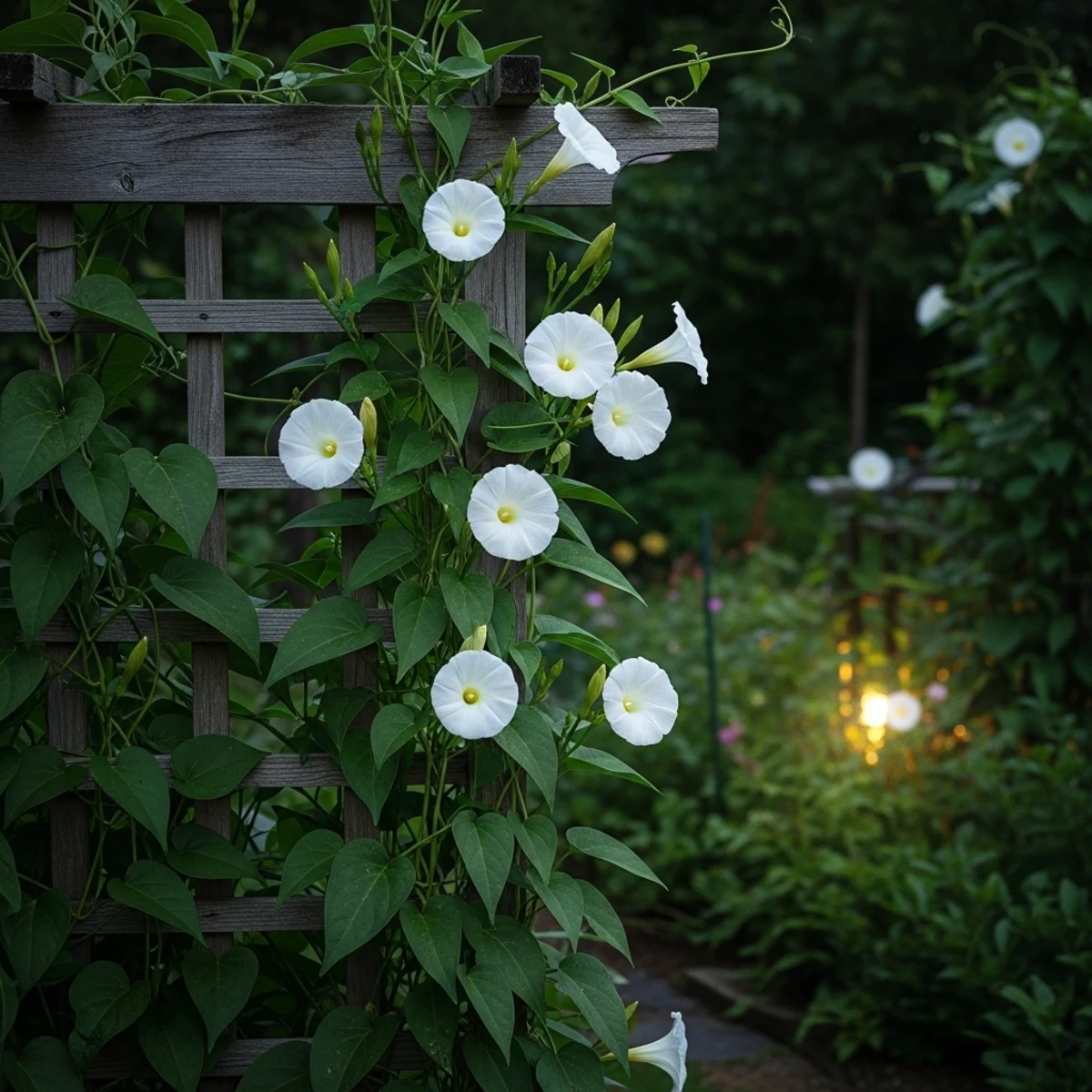
A fast-growing tropical climbing vine, Moonflower is the centerpiece of any evening garden. Its heart-shaped foliage cloaks trellises, arbors, and pergola columns, bursting into pristine 6-inch luminous white trumpets right before your eyes as dusk falls, releasing an uplifting sweet almond scent.
Night Blooming Jasmine (Cestrum nocturnum)
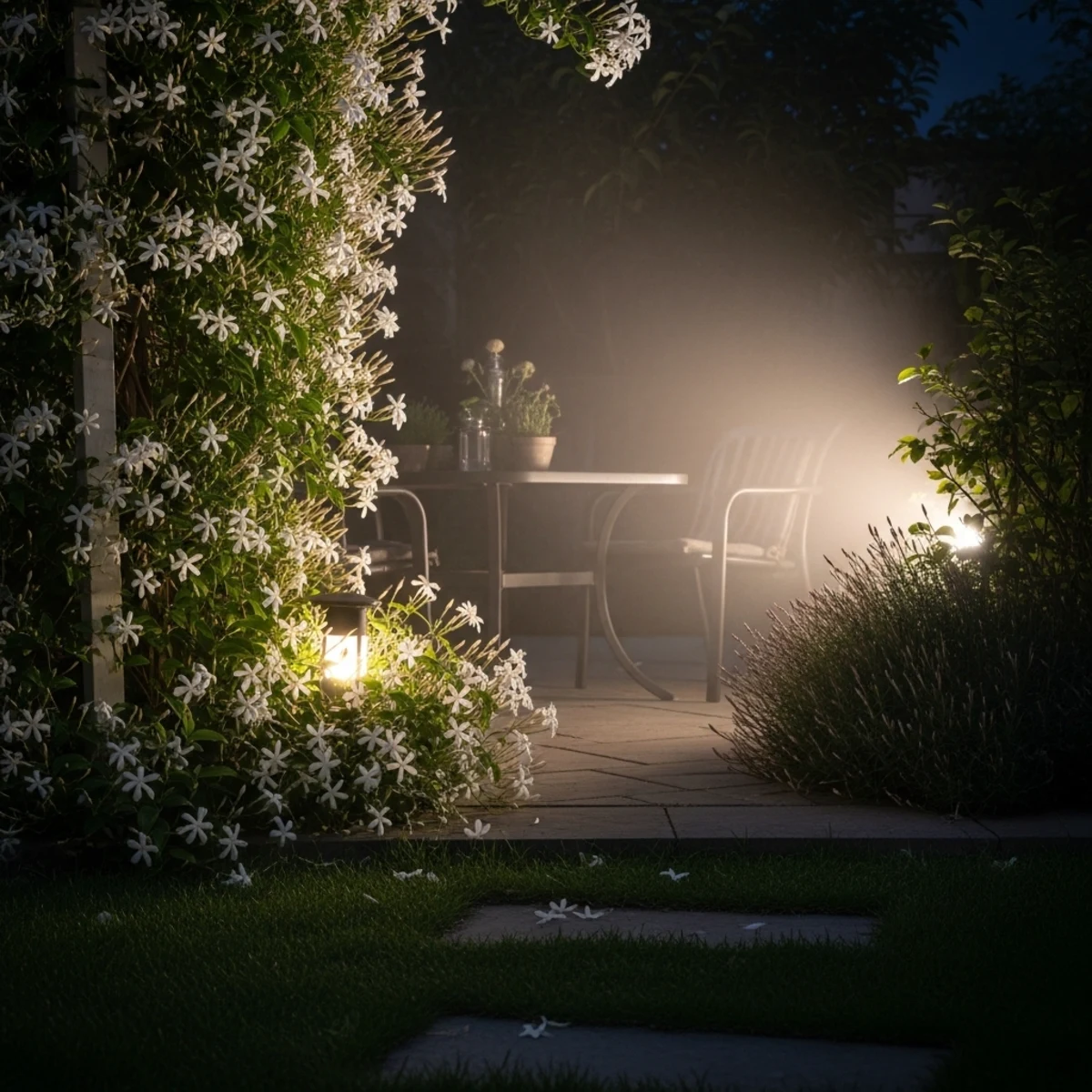
Though its slender tubular flower clusters are modest in daylight, Night-Blooming Jasmine is legendary for possessing the most intoxicating scent in the botanical world. Once darkness settles, the blooms open wide, perfuming entire patios with a sweet, hypnotic fragrance that lingers until dawn.
Queen of the Night (Epiphyllum oxypetalum)
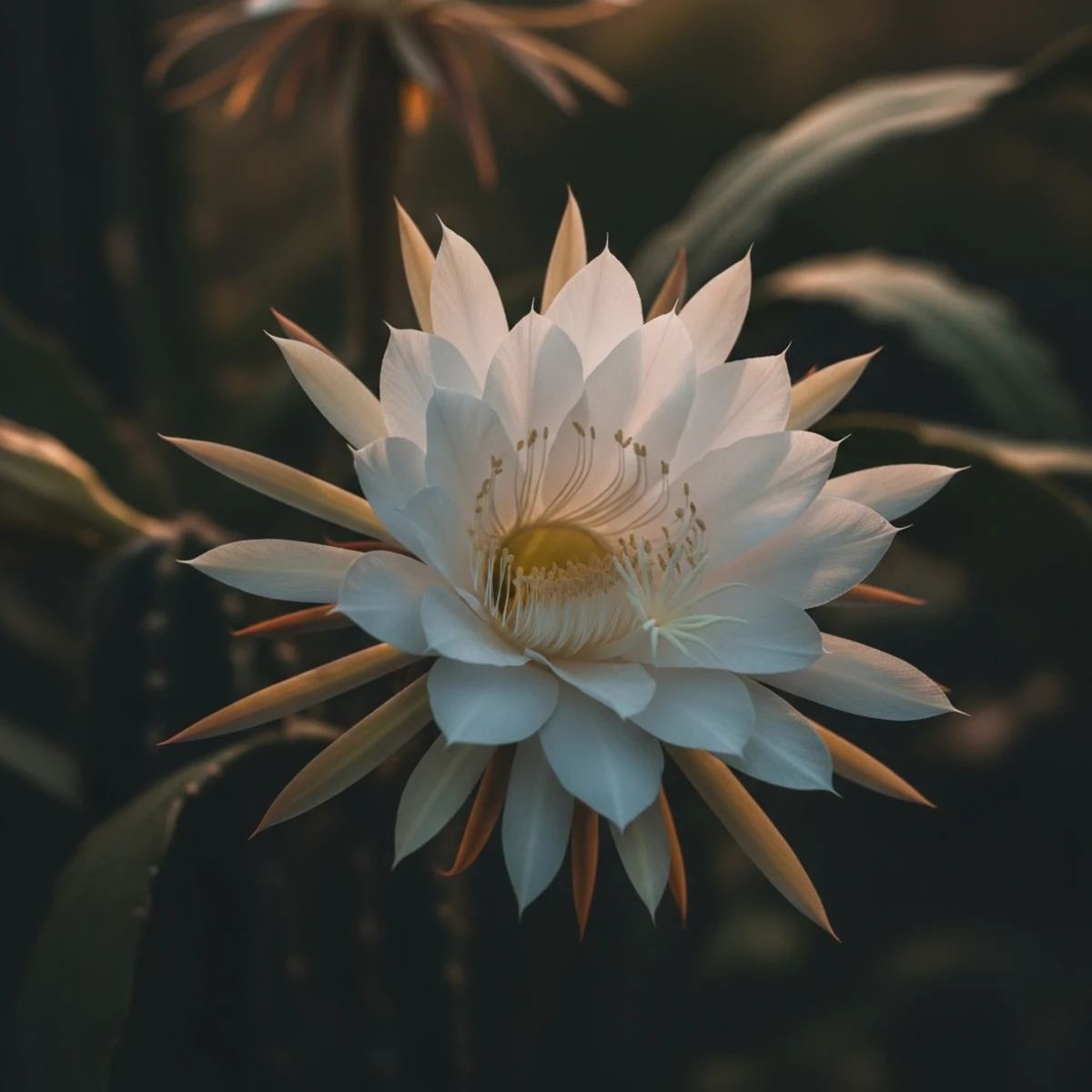
Revered across world folklore, the Queen of the Night orchid cactus creates dramatic garden theater. Its sprawling scalloped stems produce massive, multi-petaled crystalline white blooms up to 10 inches wide that begin opening at 9 PM, peak in radiant glory at midnight, and gently close by daybreak.
Evening Primrose (Oenothera biennis)
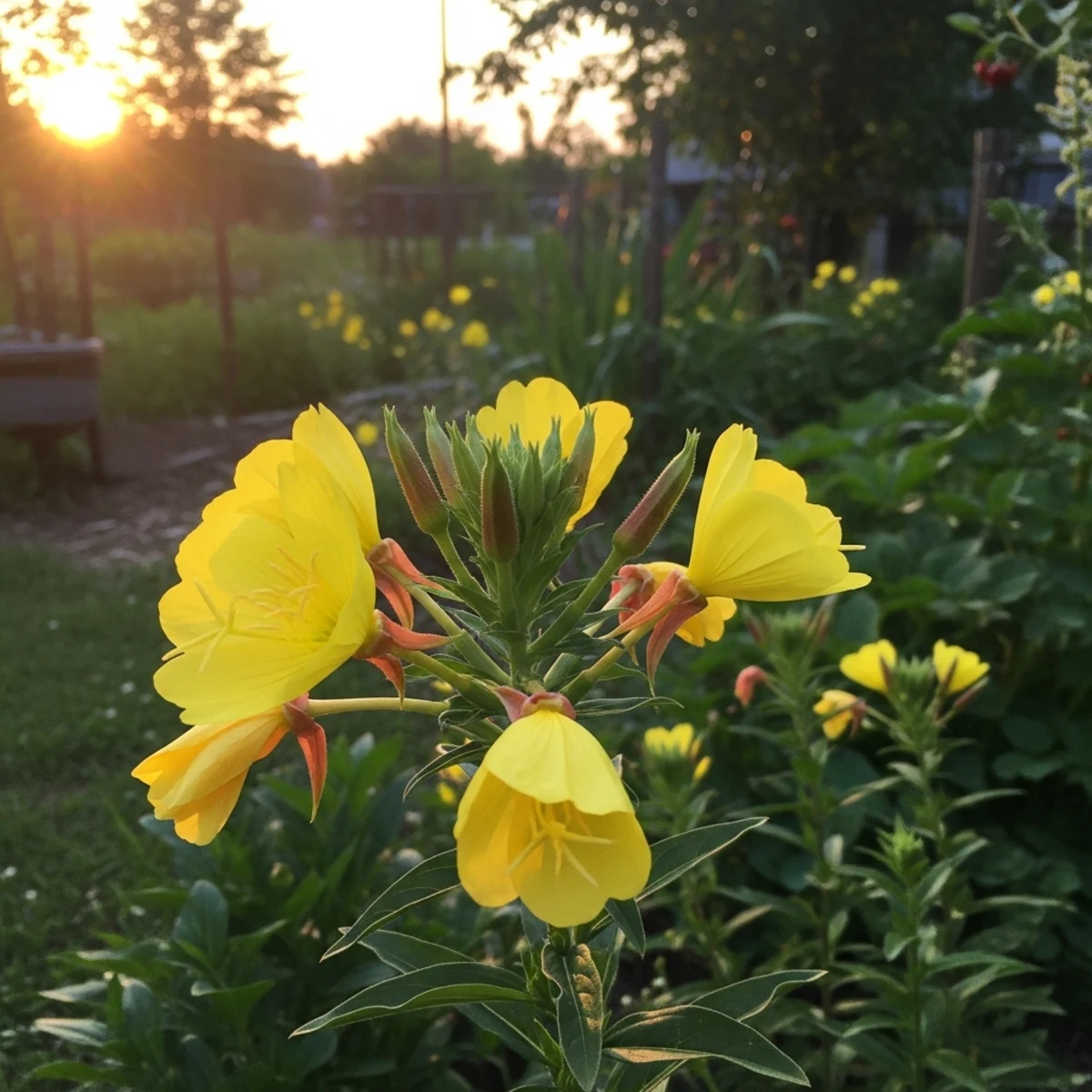
A tough North American native wildflower, Evening Primrose produces spikes of bright sulfur-yellow four-petaled flowers that open abruptly at twilight. Watching them snap open in the evening breeze is pure joy, and their evening nectar provides essential fuel for native hummingbird moths and nocturnal bees.
Night Phlox (Zaluzianskya capensis)
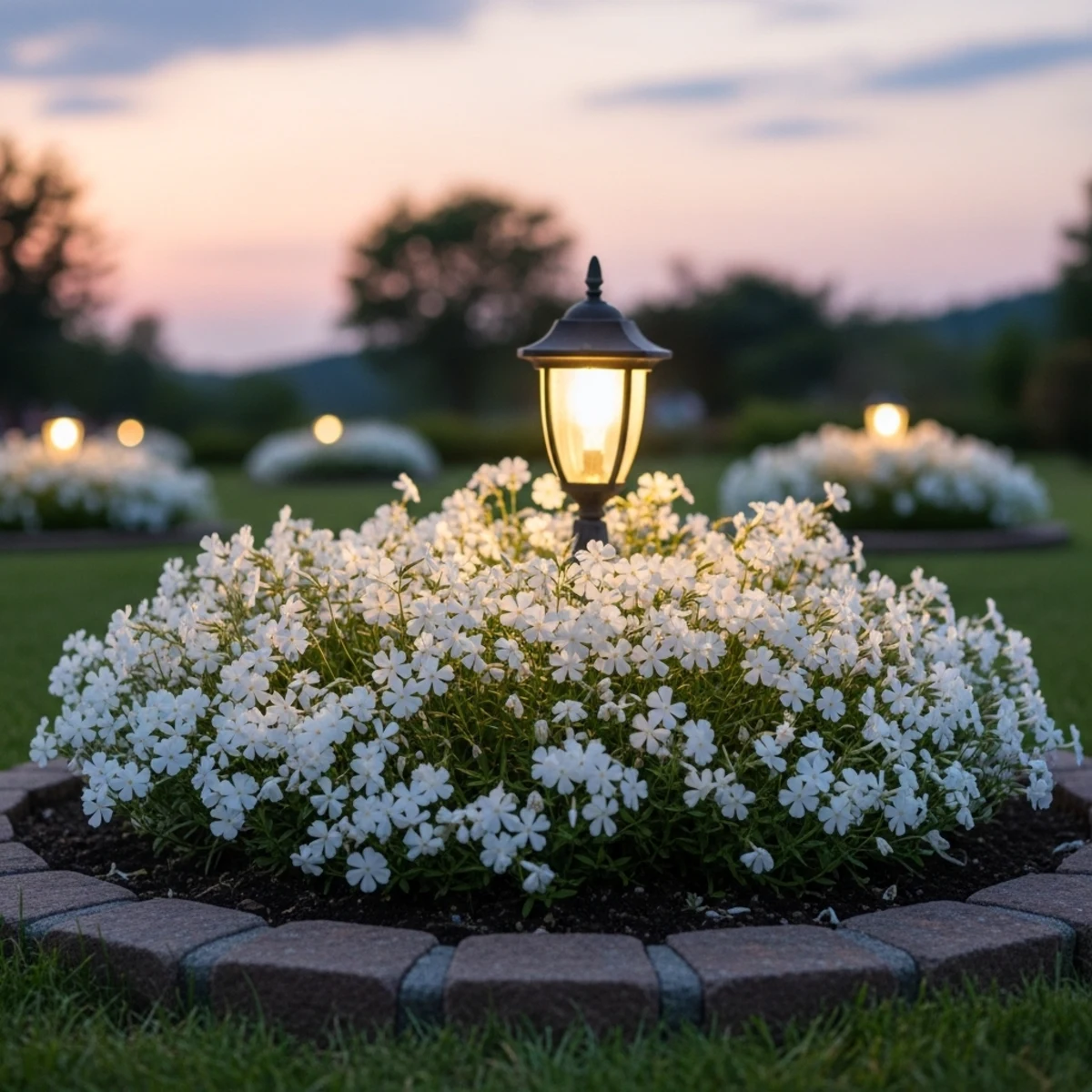
Affectionately nicknamed 'Midnight Candy,' Night Phlox looks like tightly folded, unremarkable purplish buds during hot sunny hours. But as soon as night air cools, each bud twists open into a pure white star, filling patio sitting areas with a delectable scent reminiscent of spiced vanilla, almond, and honey.
Four O'Clocks (Mirabilis jalapa)
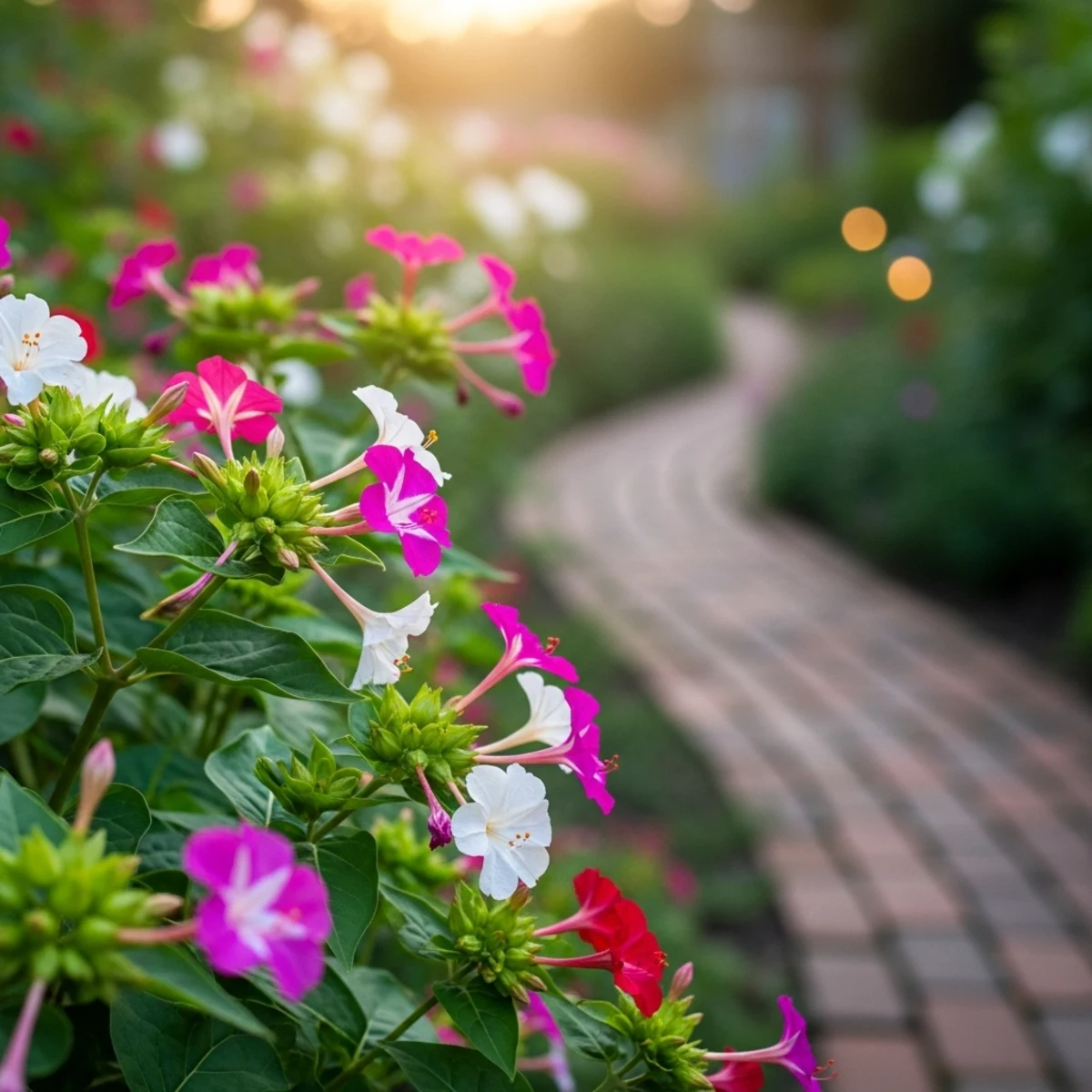
Named for their reliable habit of opening at approximately 4:00 PM, Four O'Clocks are cherished for their punctual evening cheer. A single plant can produce trumpet-shaped blossoms in brilliant magenta, canary yellow, white, and bi-colored stripes, attracting dusk-flying hummingbird moths with ease.
Tuberose (Polianthes tuberosa)
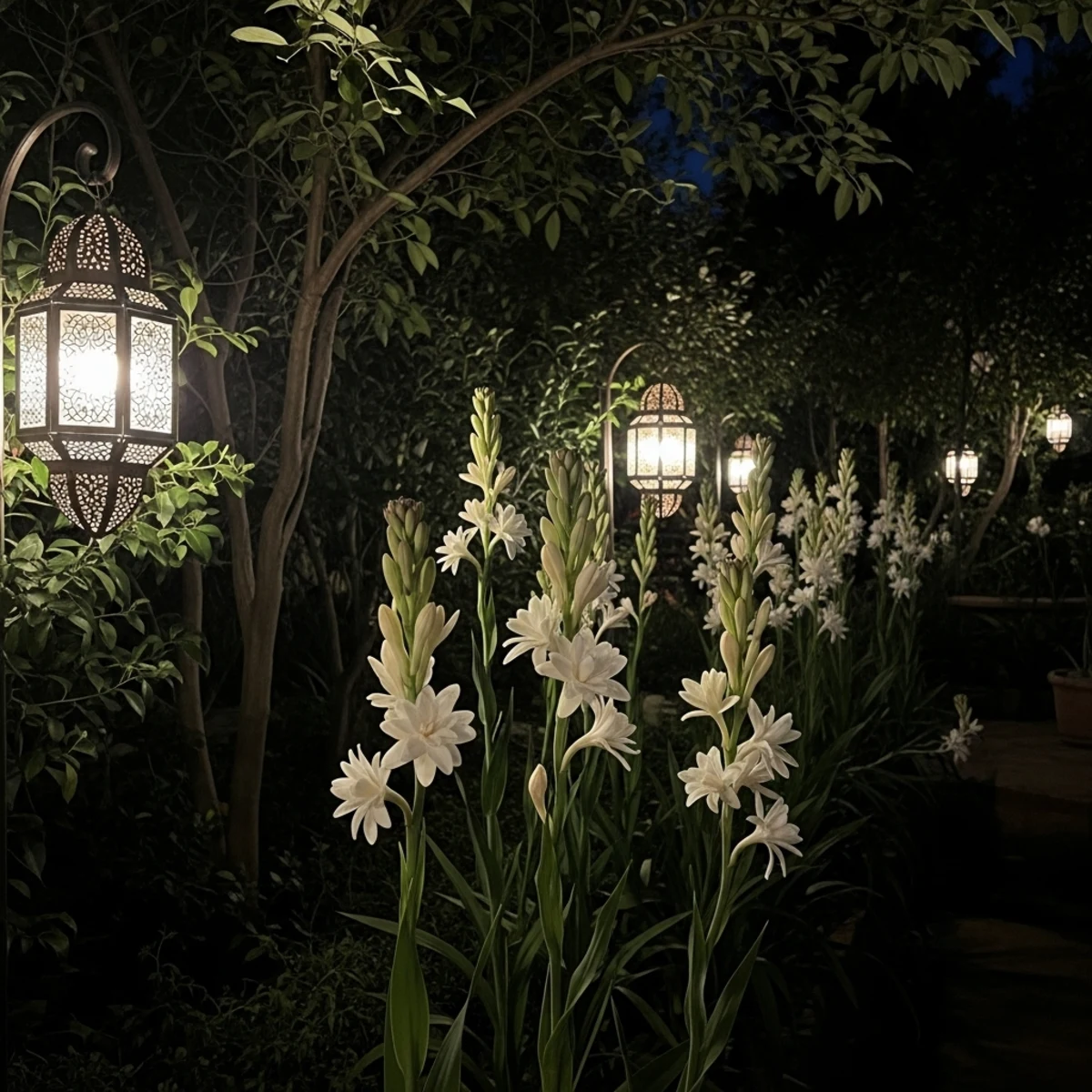
The undisputed queen of high perfumery, Tuberose produces tall 3-foot spikes lined with dense waxy white florets. In warm summer evenings, the fragrance intensifies exponentially, producing a creamy, opulent gardenia-jasmine bouquet that makes outdoor dining an unforgettable sensory luxury.
Casa Blanca Lily (Lilium 'Casa Blanca')
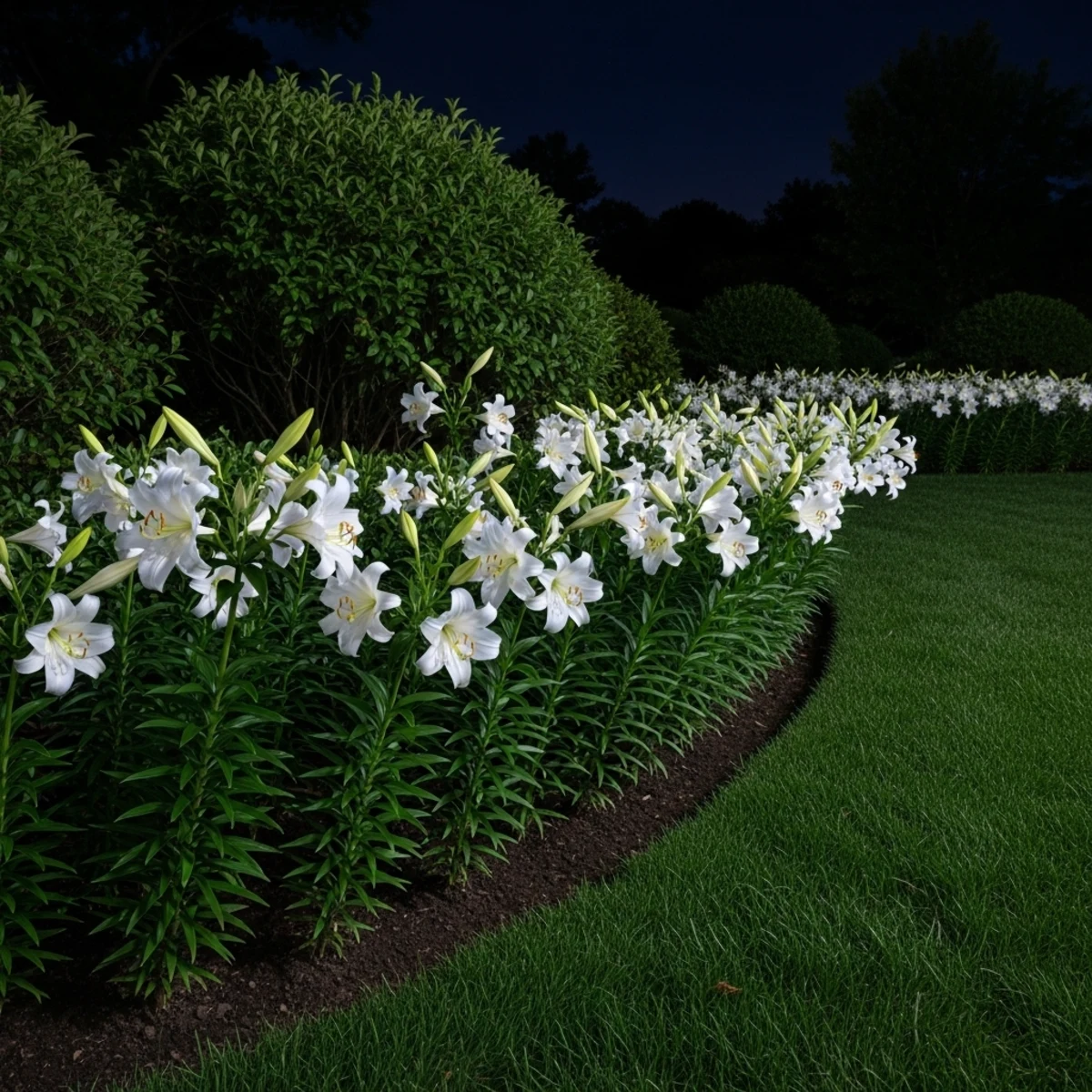
Casa Blanca is widely hailed as the finest white Oriental lily ever cultivated. Its massive snow-white blossoms catch moonlight like silver mirrors, while its rich, spicy-sweet fragrance drifts across lawns on warm July and August evenings, drawing admired compliments from every backyard visitor.
Brahma Kamal (Saussurea obvallata)
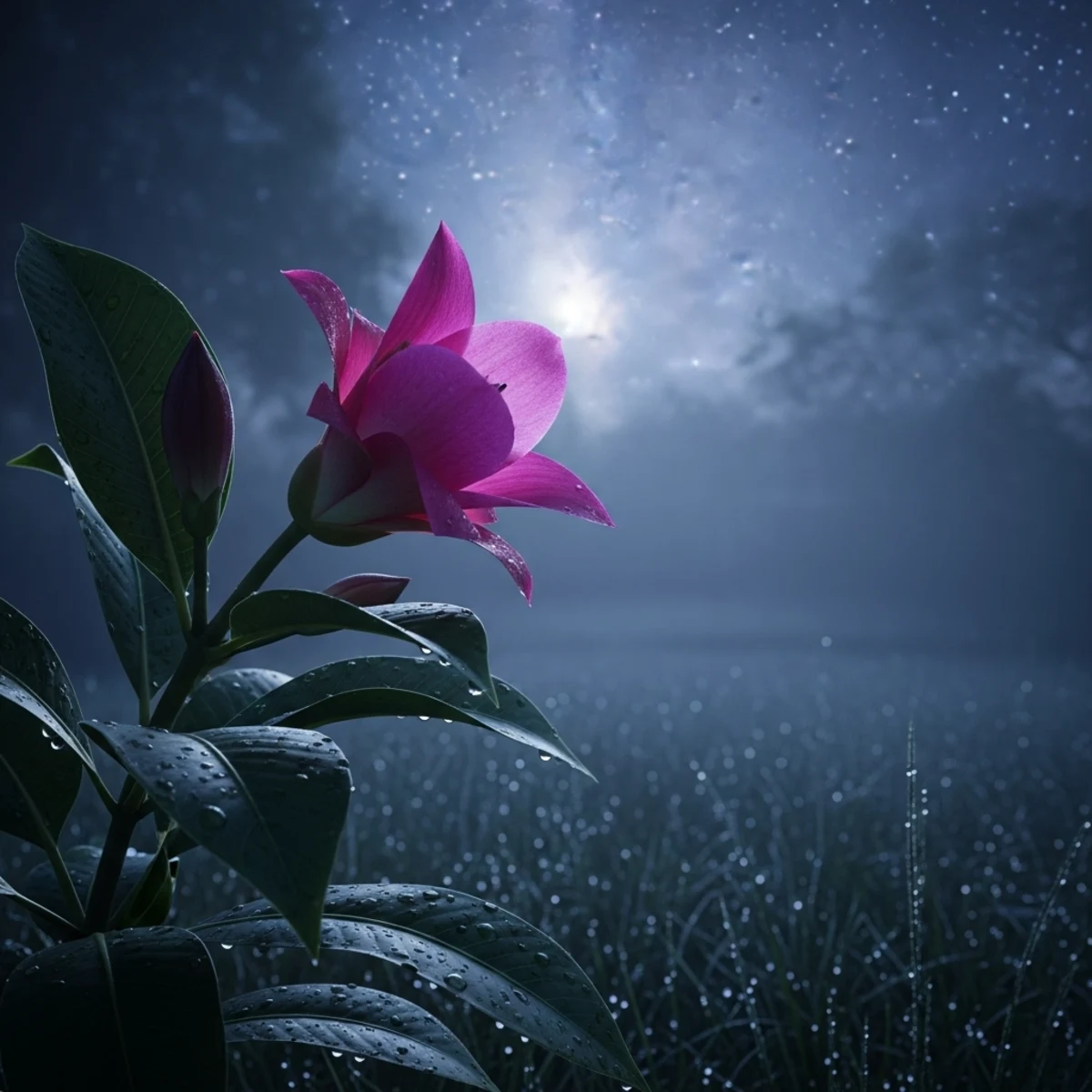
A botanical treasure native to high Himalayan altitudes, Brahma Kamal is a revered midnight-bloomer. Its glowing translucent papery chartreuse bracts shield central purple florets that bloom between 10 PM and midnight, creating a rare and unforgettable spectacle for dedicated horticultural enthusiasts.
Sacred Datura (Datura inoxia)
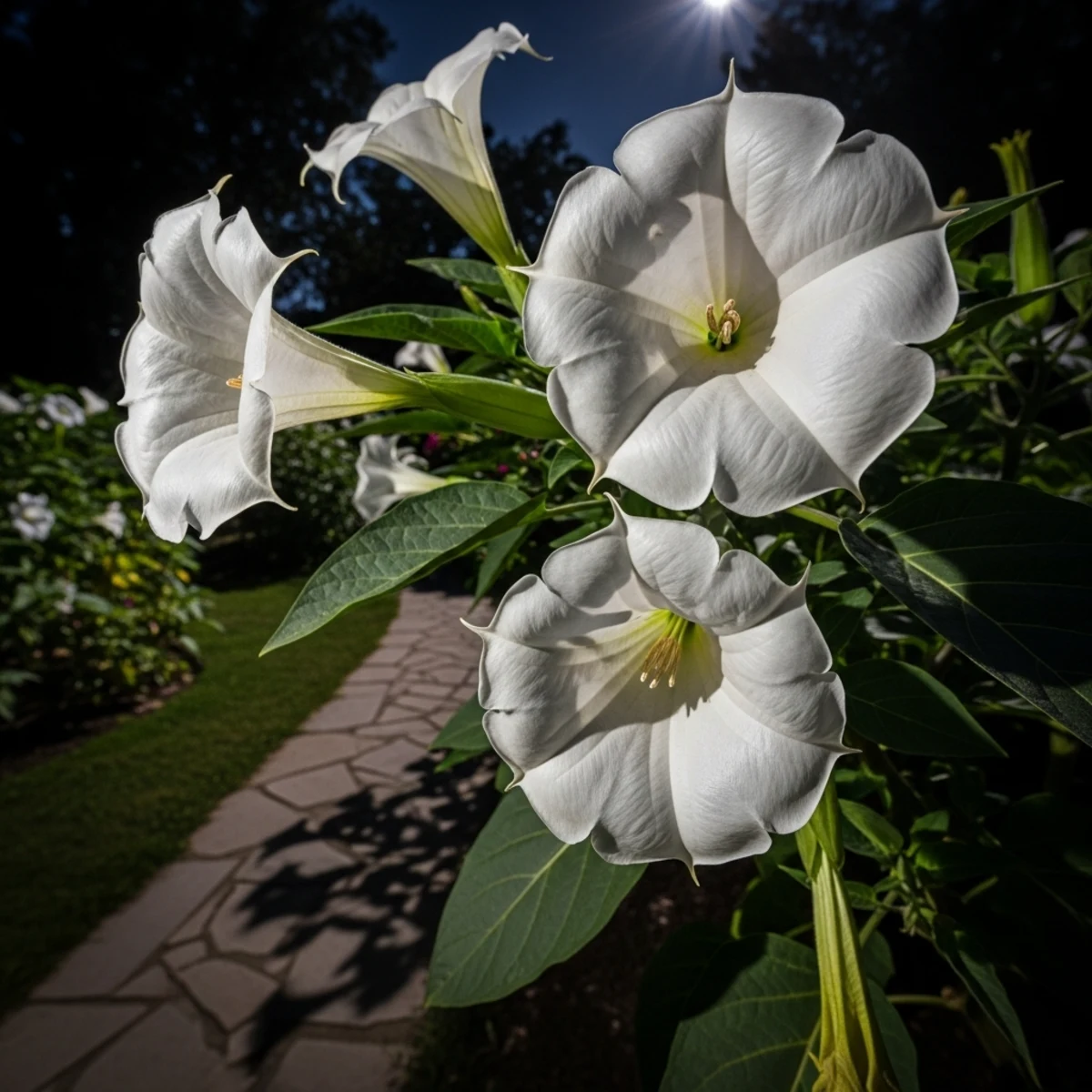
Sacred Datura produces massive upward-facing porcelain trumpets that open majestically at twilight, releasing a rich musky-sweet tropical aroma that attracts giant sphinx moths from miles around. Note: All plant parts are toxic if ingested, so locate away from curious household pets.
Landscape Architecture
How to Design a Sensory Moon Garden: 4 Design Pillars
1. Layer Luminous White & Silver Foliage
Pair pure white blossoms with silver-foliage perennials like Artemisia ('Powis Castle'), lamb's ear, and silver thyme. Pale silver foliage catches low-angle moonbeams and reflects light long after colorful day-bloomers disappear into shadows.
2. Position with Prevailing Night Breezes
In Massachusetts summers, evening breezes predominantly drift from the southwest. Position intensely fragrant night-bloomers like Night-Blooming Jasmine and Tuberose southwest of your patio seating or bedroom windows so night currents funnel scent directly into living zones.
3. Incorporate Subtle Water Reflections
A dark-bottomed reflection pond, bubbling stone fountain, or glazed birdbath acts as a liquid mirror for the moon. The gentle sound of trickling water also masks neighborhood traffic noises, deepening twilight relaxation.
4. Install Low-Kelvin Downlighting
Avoid harsh 5000K bright white spotlights that wash out subtle petal glows. Use warm 2700K low-voltage downlights mounted in tree canopies to mimic soft celestial moonlight filtering through leaves.
Expert Knowledge
Frequently Asked Questions About Moon Gardens & Night Flowers
01What is a moon garden and how does it work?
A moon garden is a specialized landscape designed with white, silver, and pale pastel blossoms that reflect lunar light after sunset, paired with intensely fragrant flowers that open in the evening to attract nocturnal pollinators like sphinx and hawk moths.
Explore residential landscape design and garden installation →
02Why do certain flowers only open at night?
Night-blooming flowers have evolved specialized nocturnal pollination relationships. By saving their delicate nectar and releasing potent volatile scent molecules after dusk, they avoid daytime heat stress and attract night-flying hawkmoths, bats, and beetles.
03Is Moonflower (Ipomoea alba) easy to grow in Massachusetts Zone 6b?
Yes. In Massachusetts, Moonflower is grown as a vigorous annual climbing vine. Sow seeds indoors 4 weeks before the last spring frost after nicking the hard seed coat, then transplant into full sun with sturdy trellises. It will produce 6-inch luminous white flowers nightly from July through October.
04Are night-blooming flowers safe around dogs and cats?
While night phlox, evening primrose, and tuberose are safe, certain nocturnal plants like Datura (Sacred Datura / Angel's Trumpet) and Night-Blooming Jasmine (Cestrum) contain toxic tropane alkaloids and solanine. Plant toxic species in elevated planters away from pets and young children.
Discover pet-friendly garden barriers and protective fencing →
05What companion plants best enhance white night-blooming flowers?
Silver-foliage perennials like Artemisia ('Silver Mound'), lamb's ear (Stachys byzantina), dusty miller, and silver thyme reflect ambient moonlight brilliantly, creating a glowing contrast beneath pure white blooms.
06Where is the best location in the yard to install a moon garden?
Locate moon gardens adjacent to outdoor living zones: next to open-air patios, fire pits, screened porches, or bedroom windows where relaxing evening breezes can carry their heady floral perfume indoors.
07Do night-blooming flowers require special soil conditions?
Most night bloomers require well-draining, moderately fertile loam with a neutral pH (6.2 to 7.0). Excess nitrogen fertilizer encourages rank leafy growth at the expense of evening floral bud formation; use a phosphorus-rich organic bloom booster instead.
08Can Night-Blooming Jasmine survive freezing Massachusetts winters outdoors?
Night-Blooming Jasmine (Cestrum nocturnum) is a sub-tropical shrub hardy only to Zone 8-11. In Massachusetts Zone 6b, grow it in large decorative patio containers and bring indoors before the first autumn frost to overwinter near a sunny south-facing window.
Ready to Design a Magical Twilight Moon Garden?
Our landscape architects create bespoke sensory gardens, evening lighting plans, and custom planting beds across Peabody, Danvers, Beverly, and Essex County.
Get connected with an independent local landscaping professional. Calls go to (877) 537-6896.