High-Yield Backyard Homesteading
12 Easiest Vegetables to Grow in Raised Beds: High-Yield Beginner Planting Guide
The easiest vegetables to grow in raised beds are radishes, loose-leaf lettuce, bush green beans, baby spinach, and zucchini. Raised bed soil warms weeks earlier in spring, drains effortlessly to prevent root rot, and creates loose, stone-free dirt for perfectly straight carrots and heavy, continuous kitchen harvests.
Radishes and greens mature in under a month
Loose, friable dirt for straight root crops
Earlier planting and longer harvest seasons
Agricultural Metrics
Raised Bed Vegetable Specifications & Massachusetts Yield Benchmarks
| Vegetable Variety | Maturity Speed | Square-Foot Spacing | Sunlight | Difficulty | Yield Character | Best Season |
|---|---|---|---|---|---|---|
| Butterhead Lettuce | 45-55 Days | 6-8 Inches | Part Sun to Full Sun | Easiest | Continuous Cut-and-Come-Again | Spring & Autumn |
| French Radishes | 21-28 Days | 2-3 Inches | Full Sun | Easiest | Fast Successive Harvests | Early Spring & Fall |
| Baby Spinach | 35-45 Days | 4-6 Inches | Part Sun (Tolerates Shade) | Easiest | High Nutrient Yield | Cool Season (Freeze Hardy) |
| Green Onions (Scallions) | 50-60 Days | 2-3 Inches | Full Sun | Easiest | High Density Planting | Spring through Autumn |
| Sweet Nantes Carrots | 65-75 Days | 3 Inches (Thin Well) | Full Sun | Very Easy | Deep Root Yield | Spring & Late Summer |
| Garden Beets | 50-60 Days | 4 Inches | Full Sun to Part Sun | Very Easy | Dual Harvest (Roots & Greens) | Spring to Autumn |
| Bush Green Beans | 50-55 Days | 6 Inches | Full Sun | Very Easy | Prolific Heavy Yield | Warm Summer |
| Summer Zucchini | 45-55 Days | 24-36 Inches | Full Sun (Warm Heat) | Easiest | Massive Continuous Yield | Warm Summer |
| Slicing Cucumbers | 55-65 Days | 12 Inches (Trellised) | Full Sun | Very Easy | High Vertical Trellis Yield | Summer |
| Lacinato Tuscan Kale | 50-60 Days | 12 Inches | Full Sun to Part Shade | Easiest | 4-Season Extreme Hardiness | Spring, Summer, Fall & Winter |
| Sugar Snap Peas | 60-70 Days | 3-4 Inches (Trellised) | Full Sun | Very Easy | Sweet Crisp Spring Harvest | Early Spring & Fall |
| Rainbow Swiss Chard | 50-60 Days | 8-10 Inches | Full Sun to Part Shade | Easiest | Non-Bolting All Summer | Spring through First Freeze |
High-Yield Varieties
12 Beginner-Friendly Vegetables for Raised Garden Beds
Butterhead & Loose-Leaf Lettuce
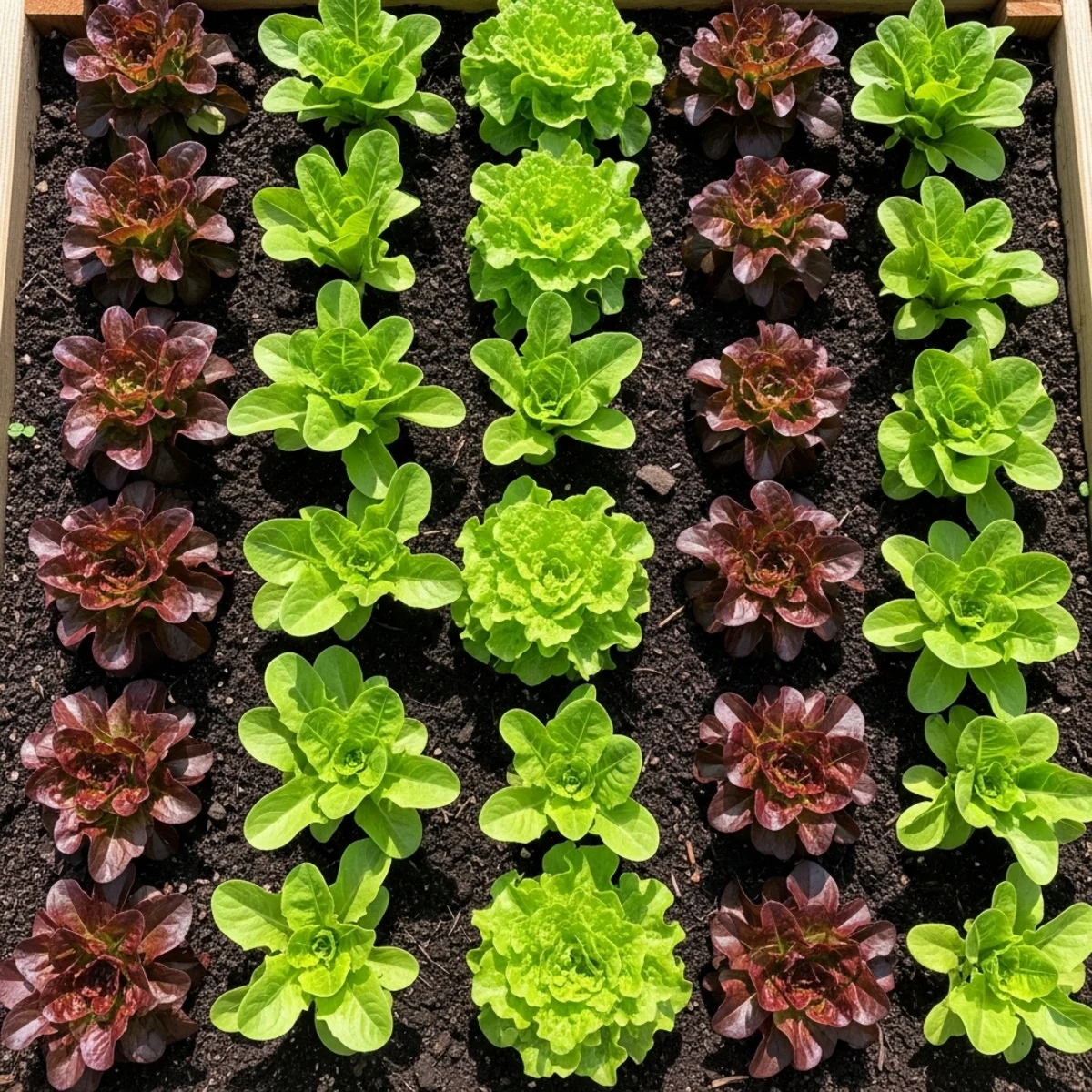
Loose-leaf and butterhead lettuces are the most rewarding beginner vegetables for raised beds. Their shallow fibrous root systems love loose, moisture-retentive raised bed soil. Harvesting just the outer leaves weekly allows the central rosette to continuously generate crisp, sweet greens without bitterness.
French Breakfast & Cherry Radishes
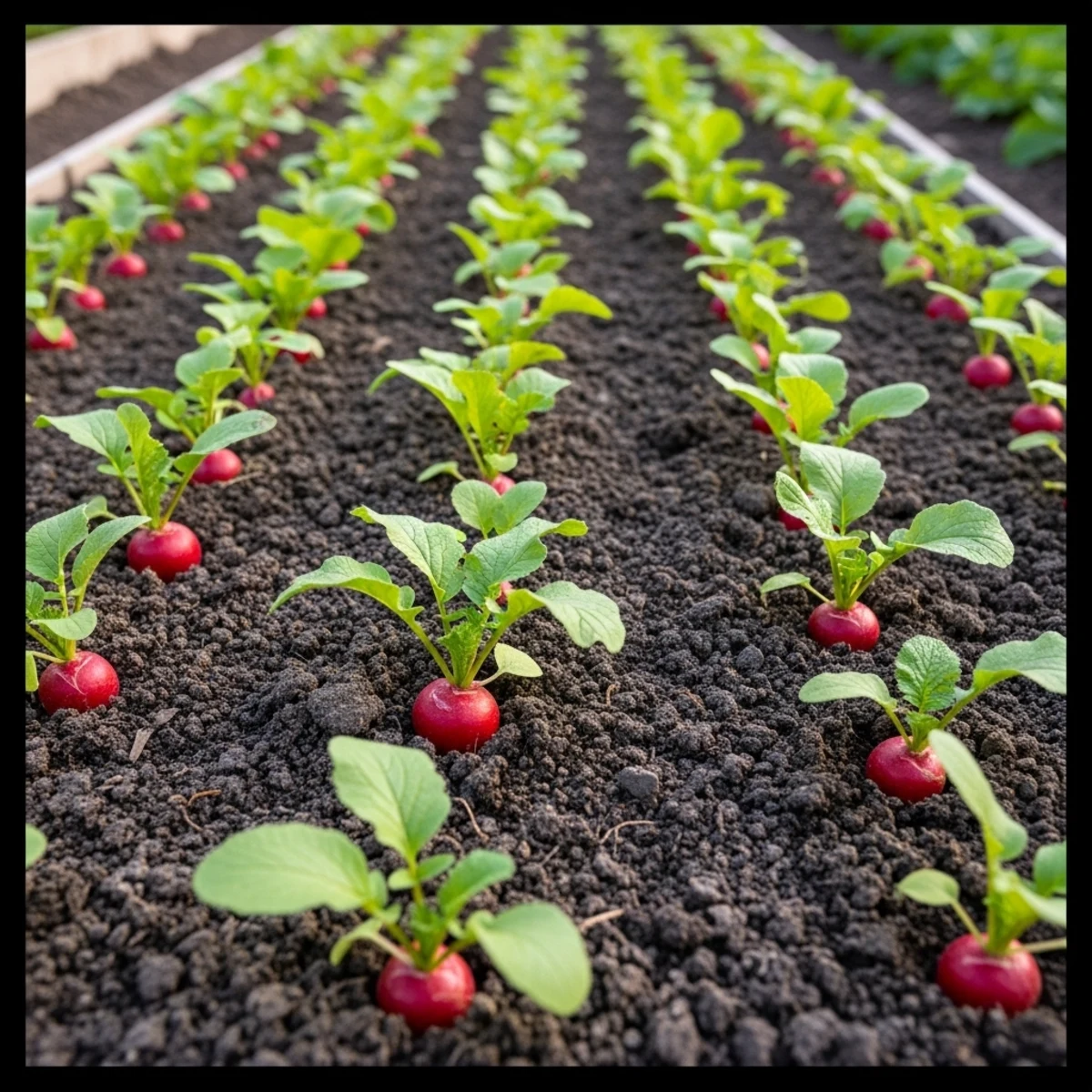
If you want rapid results, radishes are unbeatable. From seed sowing to crunching on crisp, peppery roots takes as little as three weeks. They break up tight soil naturally and can be interplanted between slower-growing crops like tomatoes or carrots to maximize square-foot garden productivity.
Baby Spinach (Spinacia oleracea)
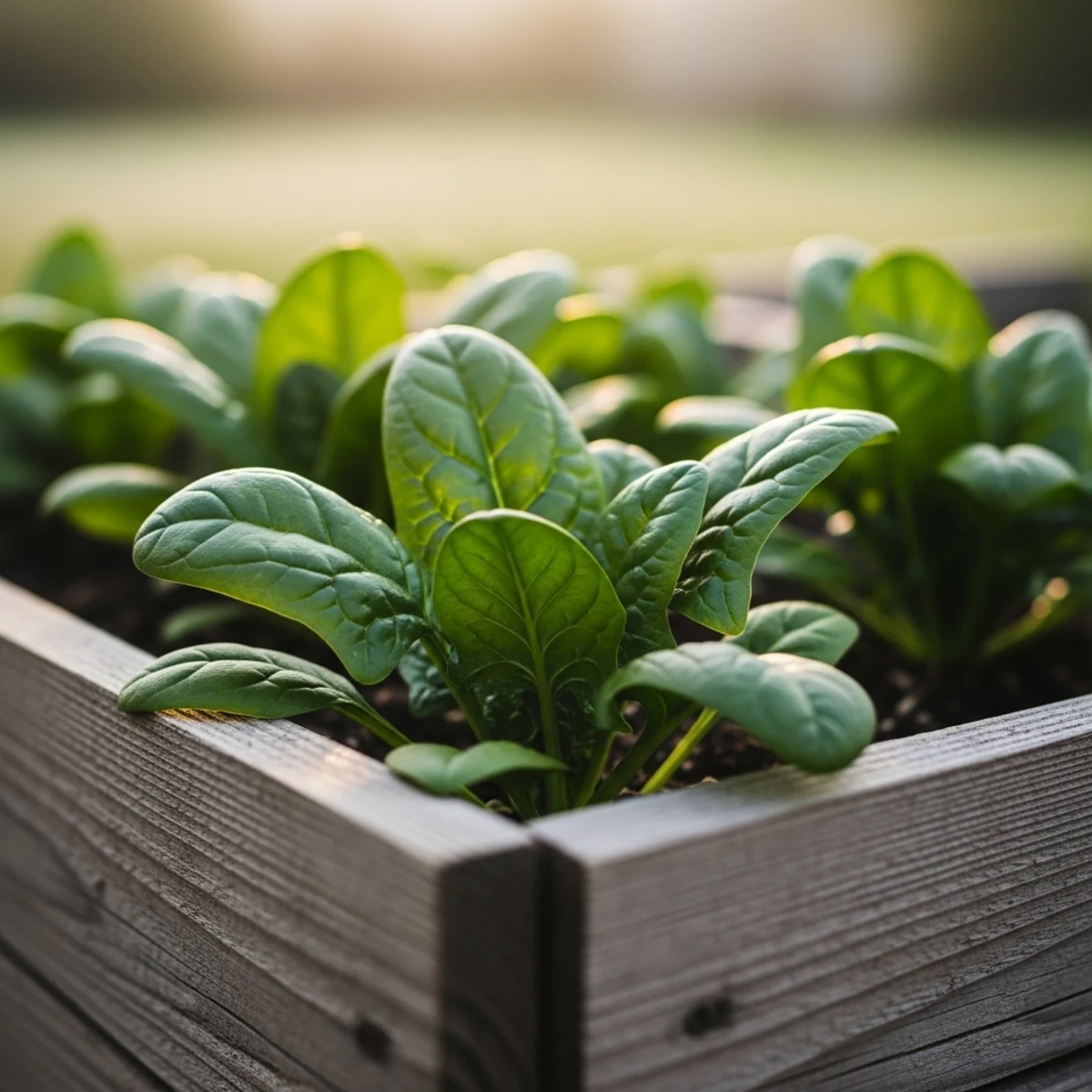
Spinach thrives in the cool, moisture-rich environment of early spring and autumn raised beds. Frost actually converts plant starches into natural sugars, making late autumn spinach sweeter and crunchier than grocery store greens. Harvest individual leaves when 3 to 4 inches tall for tender salads.
Green Onions & Bunching Scallions
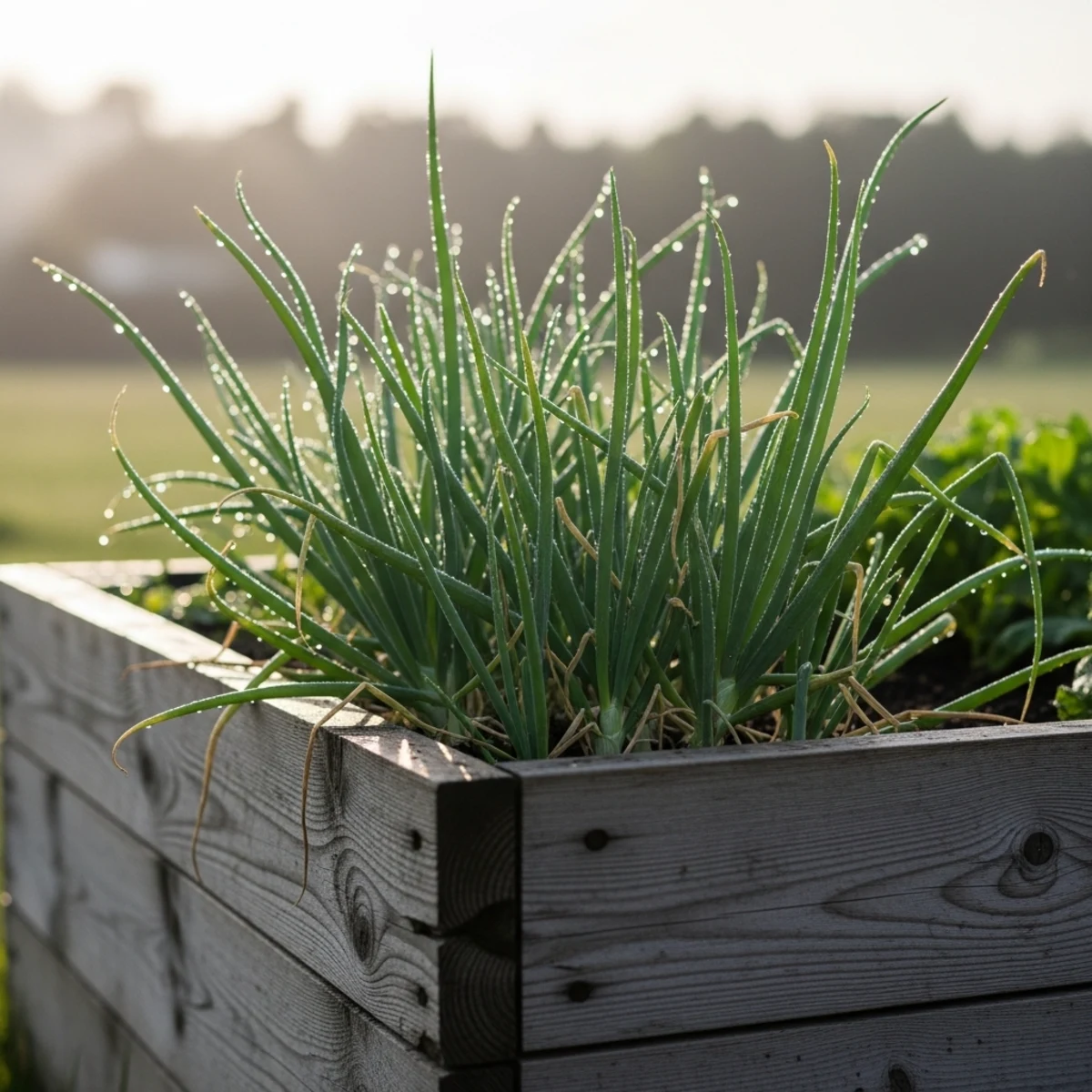
Scallions and bunching onions occupy minimal raised bed footprint while delivering continuous kitchen seasonings. You can harvest individual green stalks with kitchen shears for stir-fries and baked potatoes, and the plant will repeatedly regrow new shoots all summer long.
Sweet Nantes & Danvers Carrots
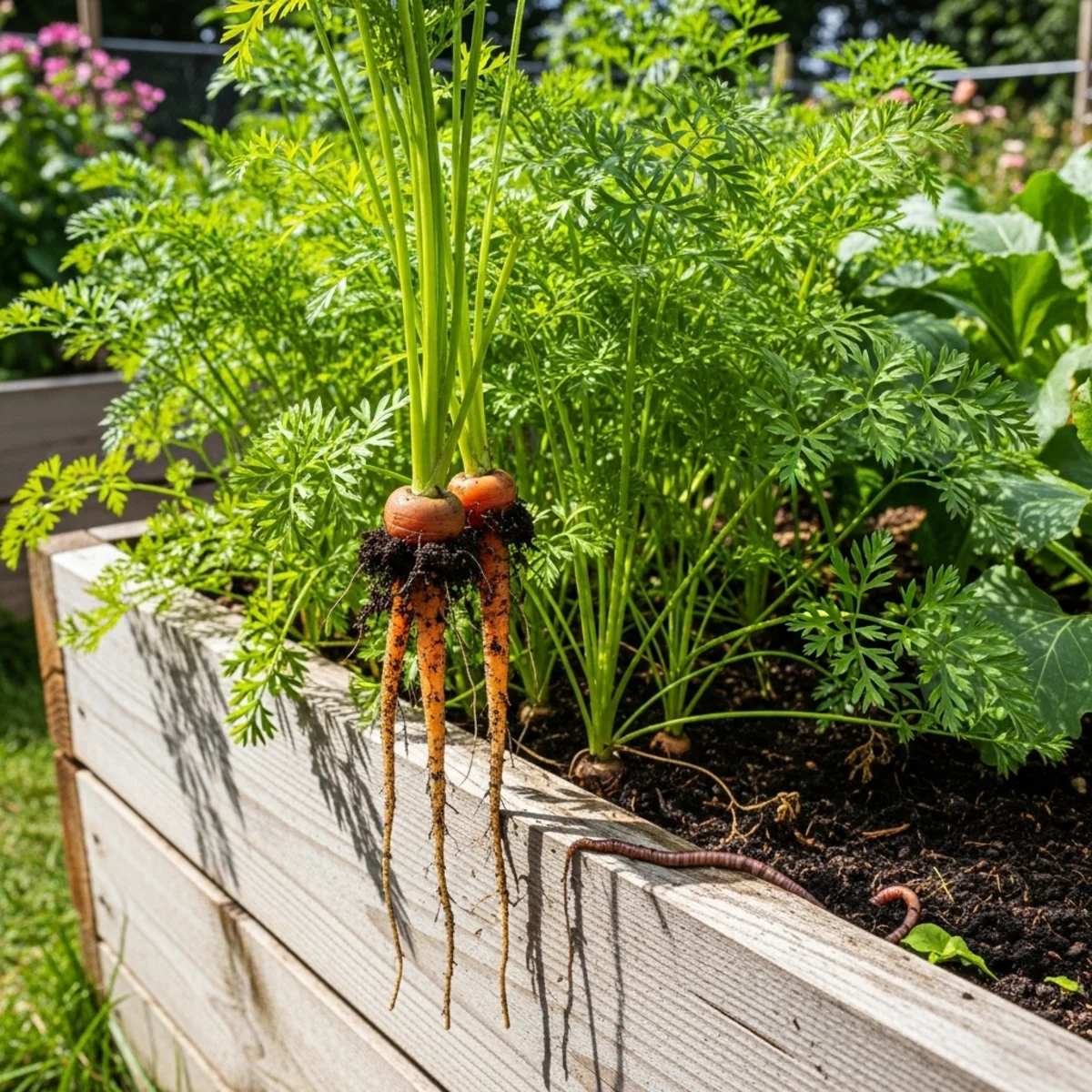
In heavy in-ground clay, carrots become stunted and forked. But in the deep, friable, pebble-free soil of a raised bed, varieties like Nantes and Danvers Half-Long grow straight, crunchy, and packed with natural sugars. Thin seedlings to 3 inches apart early for thick, uniform roots.
Garden Beets (Beta vulgaris)
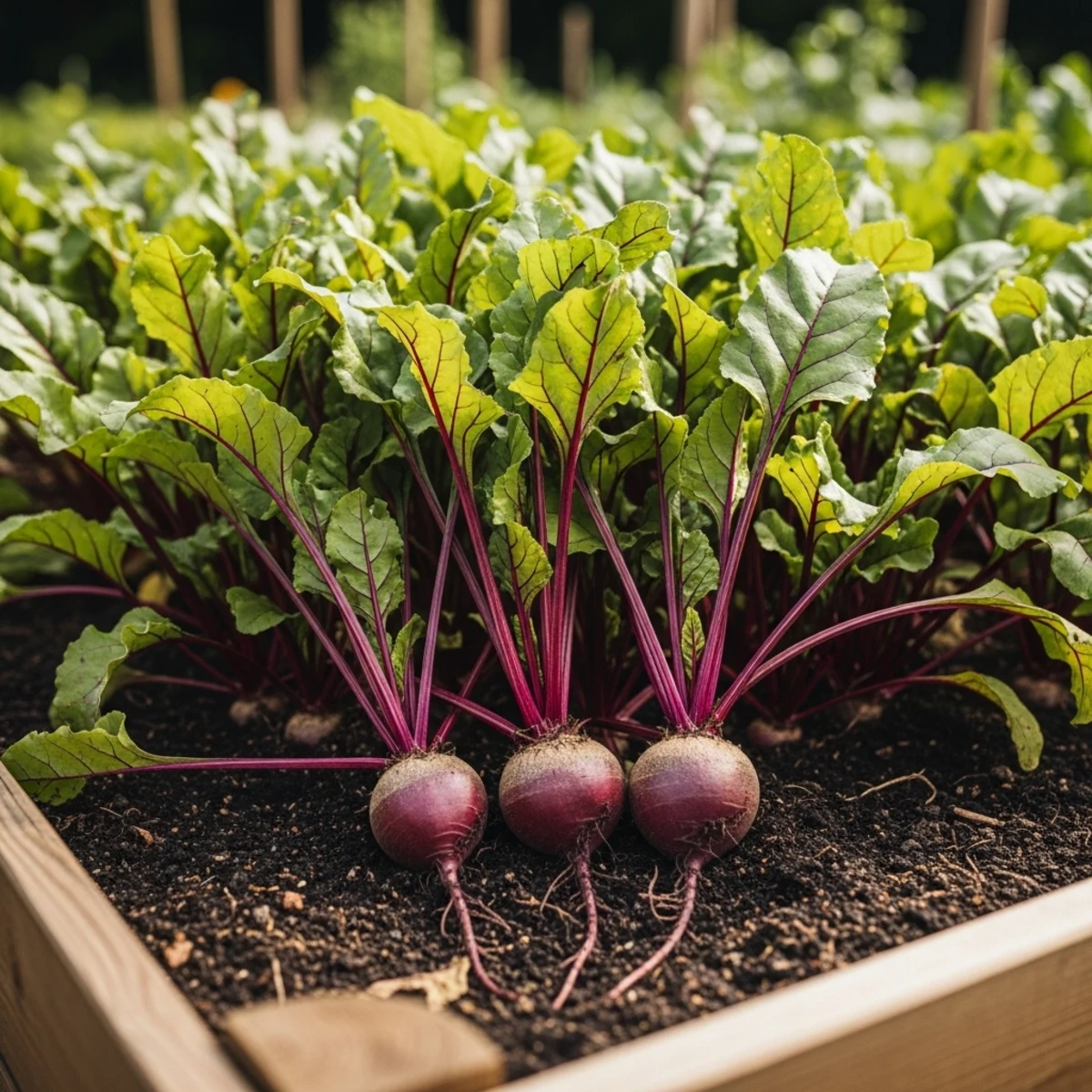
Beets are a two-in-one crop: their young ruby-veined foliage makes a delicious addition to raw salads or warm garlic sautes, while the swollen subterranean globes roast into sweet, earthy culinary gems. Raised bed drainage prevents the root-splitting common in poorly draining soils.
Bush Green Beans (Phaseolus vulgaris)
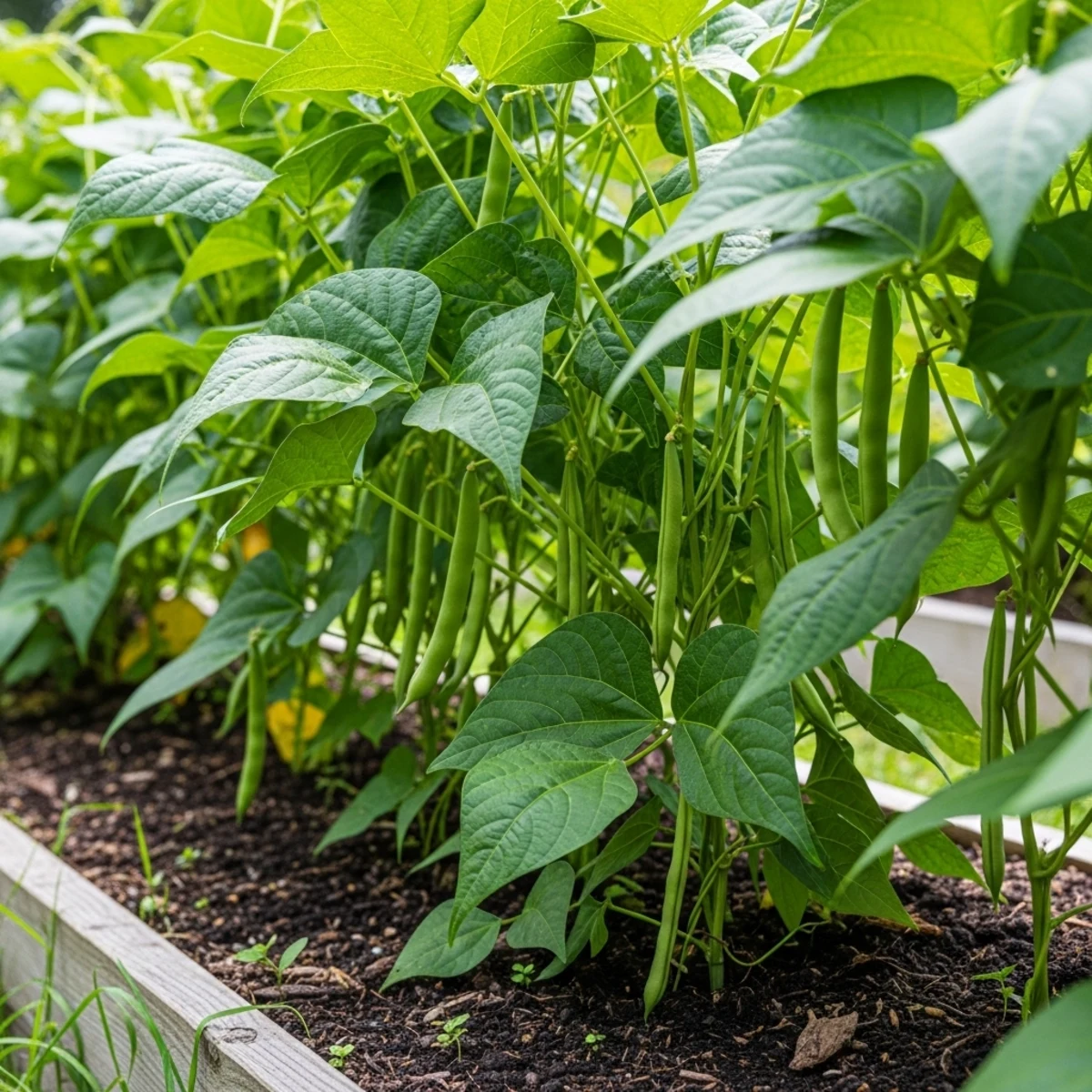
Bush beans form tidy, self-supporting 18-inch emerald bushes that churn out crisp green snap beans by the handful. Frequent picking stimulates the plant to produce continuous floral flushes and fresh bean pods throughout warm summer months while naturally enriching soil with nitrogen.
Summer Zucchini & Squash
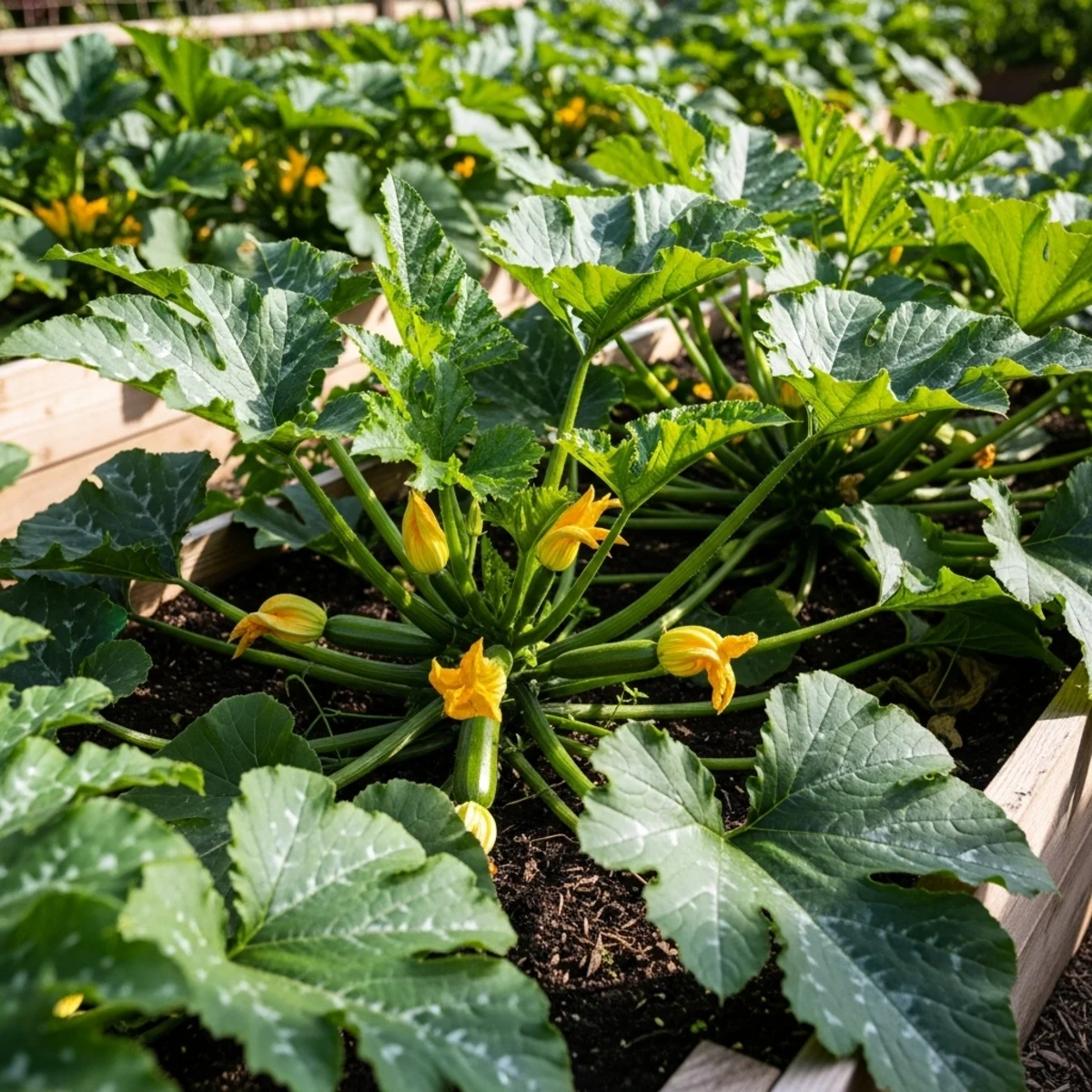
Zucchini thrives in the warm, nutrient-dense environment of raised beds. With loose root runs and excellent drainage, a single plant will produce abundant yellow blossoms and dozens of tender dark green squashes. Pick young at 6 to 8 inches for peak sweetness and delicate skin.
Crisp Slicing Cucumbers
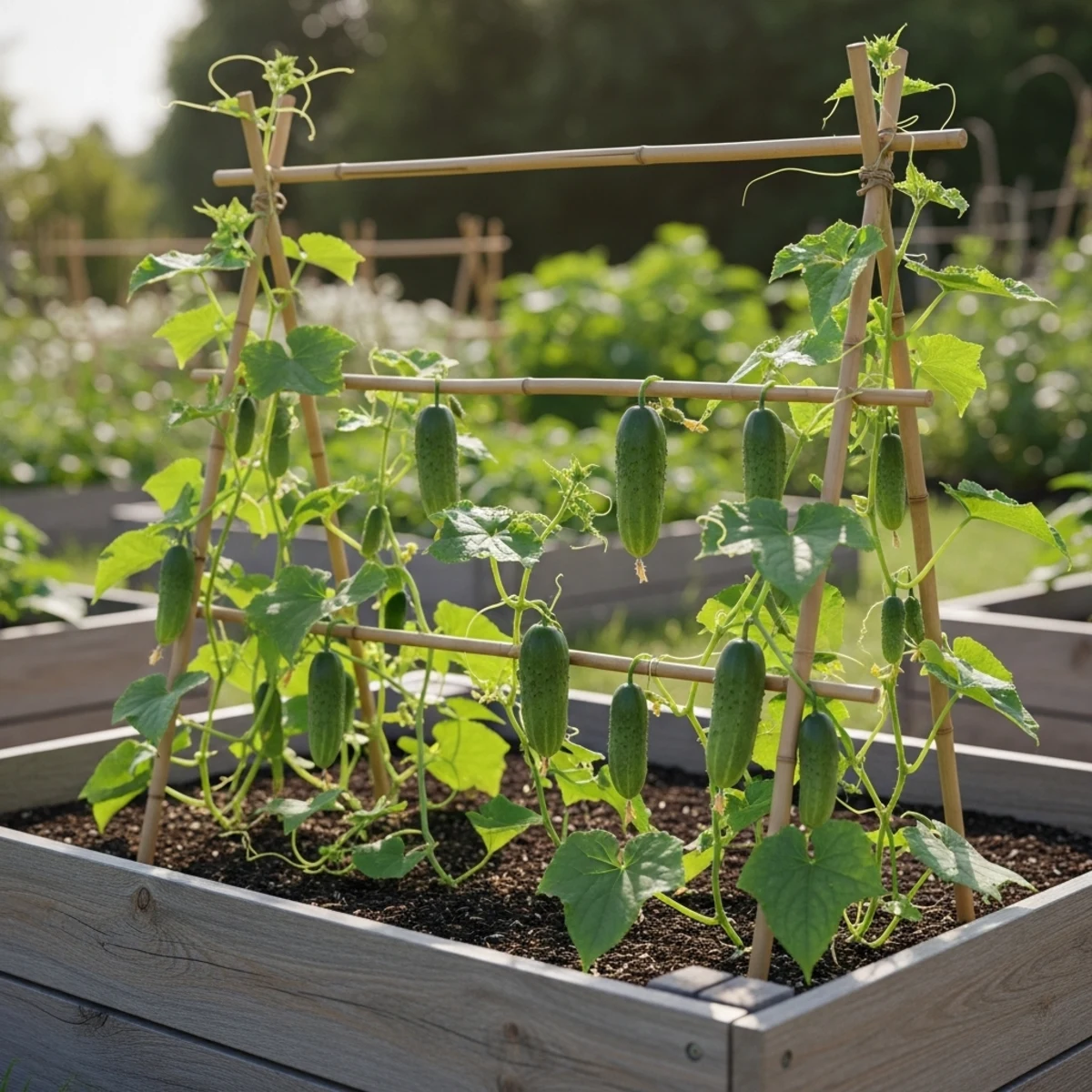
Growing slicing cucumbers vertically on a rear raised bed trellis saves precious ground space while promoting maximum airflow to stop powdery mildew. Trellised cucumbers hang freely, resulting in perfectly straight, unblemished fruit with thin, tender skin and crisp, refreshing flesh.
Lacinato Tuscan Dinosaur Kale
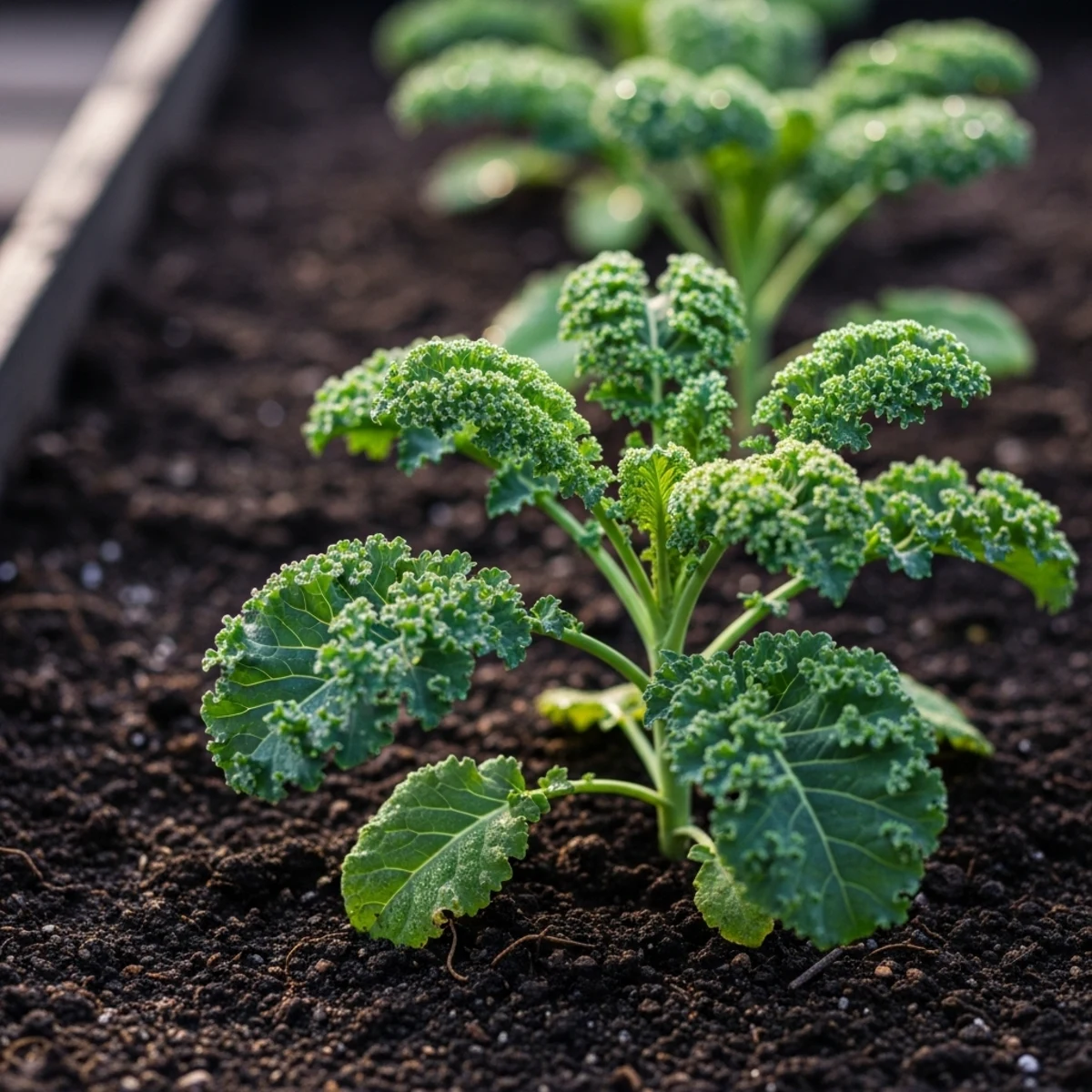
Tuscan Lacinato kale features magnificent blue-green, puckered strap leaves that withstand blistering summer heat and sub-freezing New England blizzards alike. Harvesting the lowest leaves weekly encourages upright, palm-like growth, providing non-stop nutrient-dense greens for 10+ months.
Sugar Snap Peas
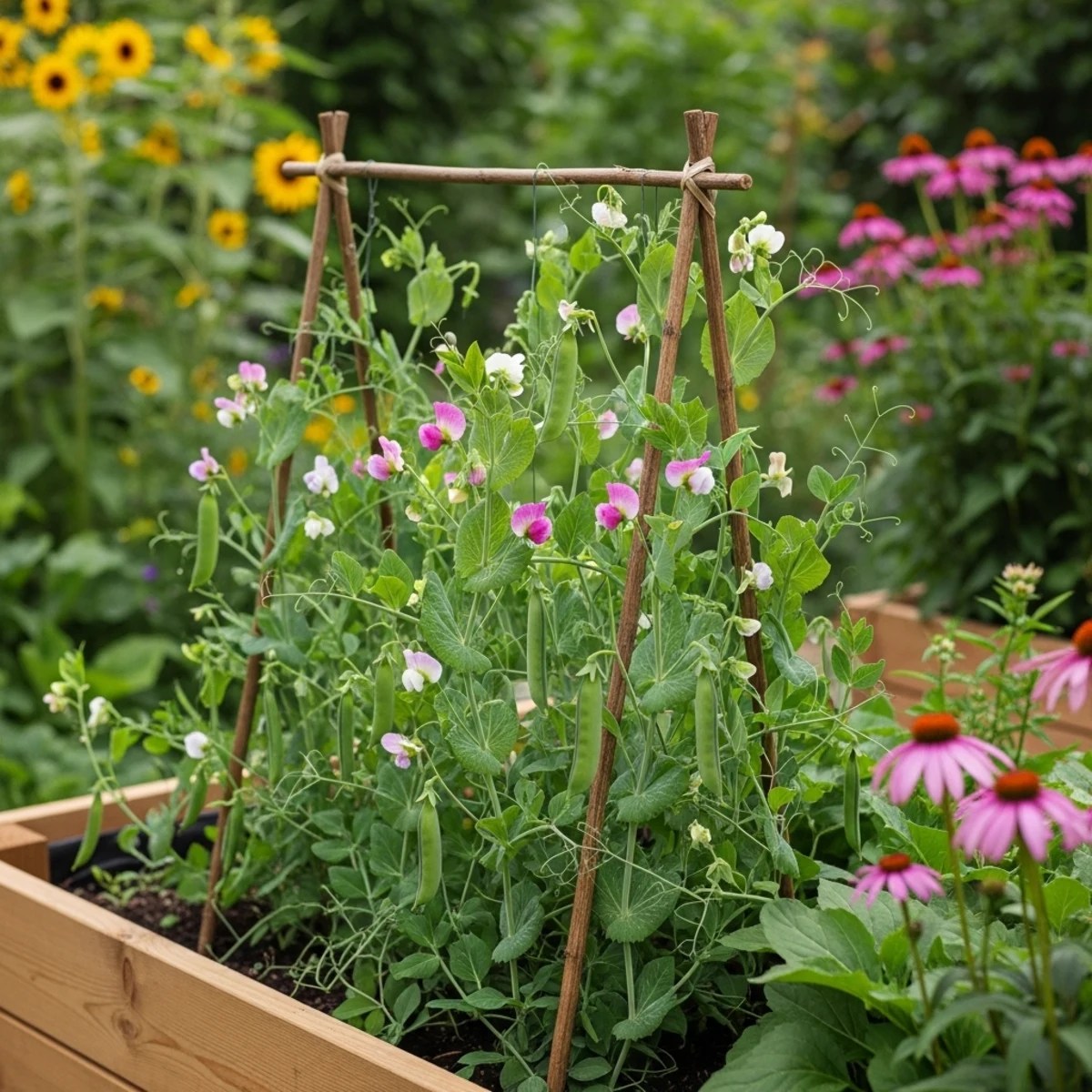
Because raised beds thaw weeks before in-ground dirt, you can sow sugar snap peas in early April across Massachusetts. Fast-growing tendrils climb lightweight string trellises, bursting into white blossoms followed by fat, sweet pods that rarely make it indoors because they taste so good raw.
Rainbow Swiss Chard
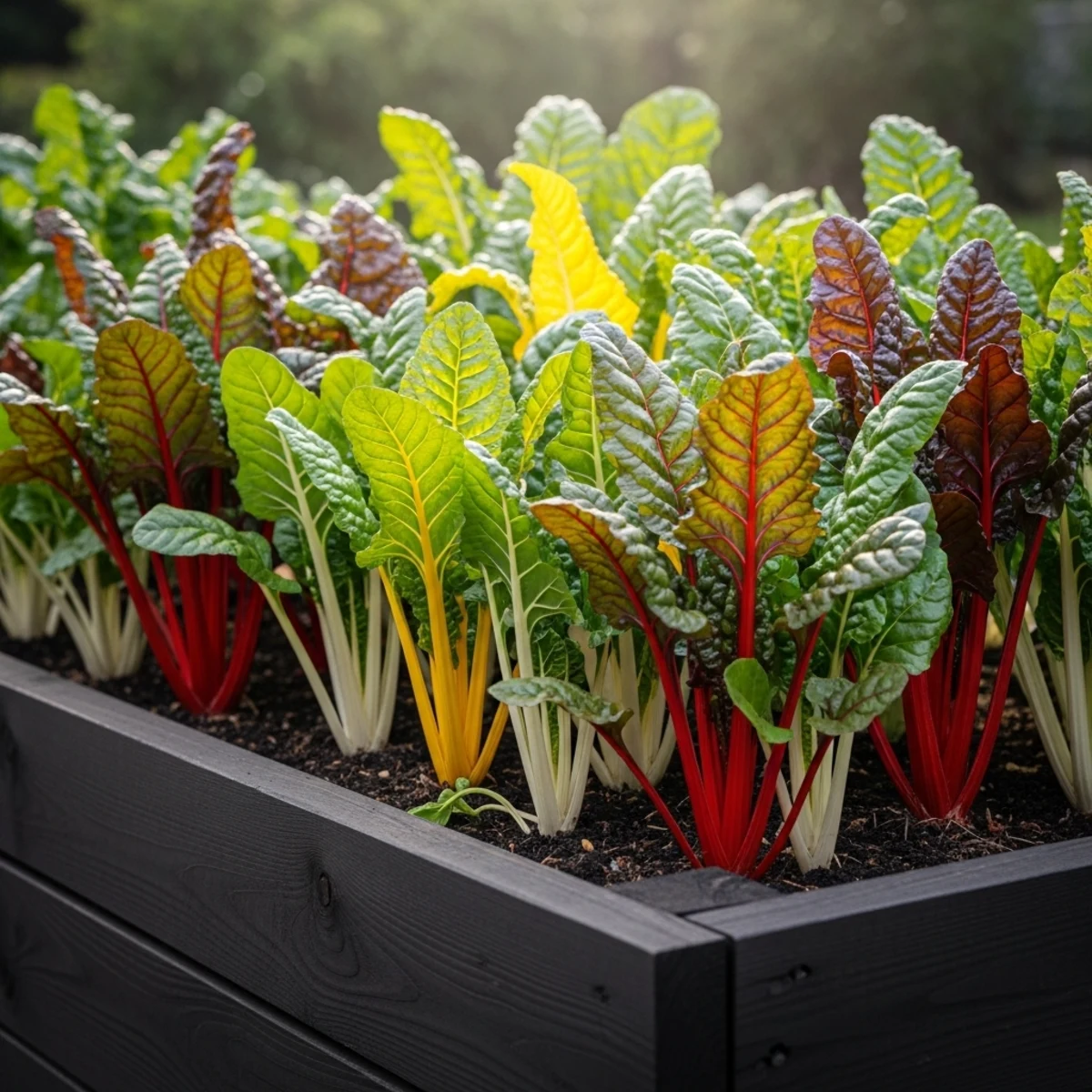
Unlike spinach which bolts to seed in July heat, Swiss chard produces gorgeous crinkled green leaves on electric neon stalks of crimson, canary yellow, and bright orange all summer long. Its dual use—tender leaves for salads, crunchy stems sautéed like celery—makes it a must-have raised bed crop.
Soil Science
The Perfect Raised Bed Soil Recipe: 1/3-1/3-1/3 Formula
1/3 Blended Compost
Mix 3-4 diverse organic compost sources: leaf mold, well-rotted cow manure, mushroom compost, and worm castings for full-spectrum microbial biology.
1/3 Horticultural Perlite
Lightweight volcanic mineral that creates permanent microscopic air pockets, prevents soil compaction, and retains moisture without getting waterlogged.
1/3 Sphagnum Peat / Coir
Absorbs up to 20 times its dry weight in moisture, holding hydration directly in the vegetable root zone during hot July and August dry spells.
Expert Knowledge
Frequently Asked Questions About Raised Bed Vegetable Gardening
01Why do vegetables grow faster in raised beds than in-ground garden soil?
Raised bed soil warms up 2 to 3 weeks earlier in spring, drains excess rainfall rapidly to prevent root rot, and avoids heavy soil compaction since gardeners never walk on the growing beds. This loose, friable environment allows vegetable roots to expand effortlessly.
Learn how to build DIY raised beds with repurposed pallets →
02What is the best soil mix formula for raised vegetable beds in Massachusetts?
The gold standard raised bed mix is the 'Mel's Mix' ratio: 1/3 blended organic compost (leaf mold, aged manure, mushroom compost), 1/3 coarse horticultural vermiculite or perlite (for water retention and aeration), and 1/3 sphagnum peat moss or coco coir (for moisture buffering and light acidity).
Calculate cubic yards of compost with our Topsoil Calculator →
03How deep should a raised vegetable bed be?
A depth of 10 to 12 inches is ideal for almost all standard vegetables (lettuce, radishes, spinach, peppers, bush beans). For deep root crops like long carrots, parsnips, and indeterminate tomatoes, a 15- to 18-inch bed depth ensures unobstructed vertical root development.
04Which vegetables can produce continuous harvests all season long?
Loose-leaf lettuces, Swiss chard, and kale are 'cut-and-come-again' crops. Harvesting outer leaves allows the central crown to continuously produce tender new foliage every week from May until heavy winter freeze in November.
05What is the easiest vegetable for complete beginners to harvest in under a month?
Radishes (such as 'French Breakfast' or 'Cherry Belle') are the fastest edible crop in existence, maturing from direct seed to crisp, peppery harvest in just 21 to 28 days.
06How often should raised beds be watered during hot New England summers?
Because elevated beds drain efficiently, they require deep watering 2 to 3 times per week during summer heat waves (approximately 1 to 1.5 inches of water weekly). Installing a soaker hose or automated drip line directly at soil level minimizes moisture loss from surface evaporation.
Discover rainwater harvesting systems for garden hydration →
07How can I prevent burrowing rodents like moles and voles from entering raised beds?
Line the very bottom of your raised bed frame with 1/4-inch galvanized steel hardware cloth stapled securely to the timber before filling with soil. This creates an impenetrable physical wire barrier against tunneling rodents while allowing deep earth drainage.
08What are the best companion plants to grow alongside raised bed vegetables?
Planting French marigolds, nasturtiums, and basil alongside tomatoes and beans repels destructive hornworms and nematodes while attracting beneficial predatory insects and pollinating bees.
Ready to Build High-Yield Custom Cedar Raised Beds?
Our carpentry and landscaping team constructs durable food-safe cedar garden boxes, vertical trellises, and automatic drip irrigation across Peabody and the North Shore.
Get connected with an independent local landscaping professional. Calls go to (877) 537-6896.