10 Creative Ways to Collect Rainwater for Your Garden: Barrels, Cisterns & Drainage
The best ways to collect rainwater for your garden include traditional food-grade 55-gallon rain barrels, automatic gutter downspout diverters, decorative Japanese rain chains, and underground cistern tanks. In Massachusetts, capturing roof runoff prevents yard soil erosion, cuts municipal water bills, and provides chlorine-free irrigation for acid-loving shrubs.
Per 1,000 sq ft of standard roof area
Naturally soft & mildly acidic (pH ~6.0)
Prevents freeze cracking in Zone 6b
Quantitative Comparison
Rainwater Harvesting Specifications & Massachusetts Benchmarks
| Harvesting System | Typical Capacity | DIY Hardware Cost | Pre-Filtration Need | Winterization Protocol | Best Landscape Application |
|---|---|---|---|---|---|
| Standard Rain Barrel | 50–65 Gal | $80–$160 | Fine mesh screen lid | Drain & store indoors (Nov–Apr) | Patio container gardens & flower beds |
| Automatic Gutter Diverter | Matches barrel | $35–$75 (Kit) | Internal debris strainer | Switch diverter to bypass winter mode | Zero-overflow automated filling |
| Japanese Rain Chain & Basin | 20–100 Gal | $70–$220 | Coarse stone catch basin | Remove in freezing climates | Architectural front entry focal point |
| Underground Cistern Tank | 500–2,500 Gal | $1,800–$4,500 | Vortex leaf separator & pump filter | Below frost line (Year-round active) | Whole-yard automated irrigation & lawns |
| Daisy-Chained Multi-Barrel | 110–220 Gal | $180–$350 | Dual debris screens | Drain & store upside down | High-volume vegetable gardens |
Curated Backyard Systems
10 Creative Ways to Collect Rainwater for Your Garden
Traditional Food-Grade Polyethylene Rain Barrel

The classic 55-gallon rain barrel remains the most accessible rainwater harvesting method for homeowners. Recycled food-grade barrels prevent algae growth, while an elevated cinder block or timber platform raises the spigot enough to create natural gravity pressure for filling watering cans.
Automatic Downspout Diverter System
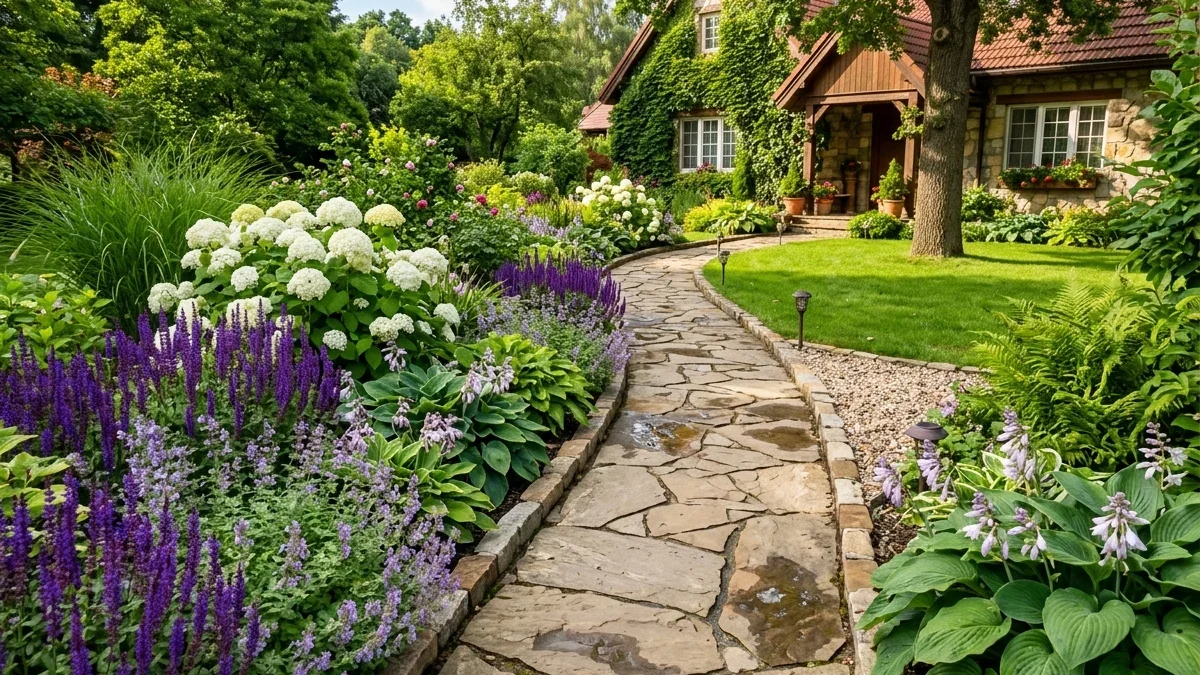
Avoid messy yard flooding with an engineered diverter installed directly into your existing aluminum downspout. Once the barrel fills to capacity, water naturally backs up in the diverter tube and continues flowing down the main gutter pipe into your municipal drainage system.
Japanese Copper Rain Chains & Stone Basins
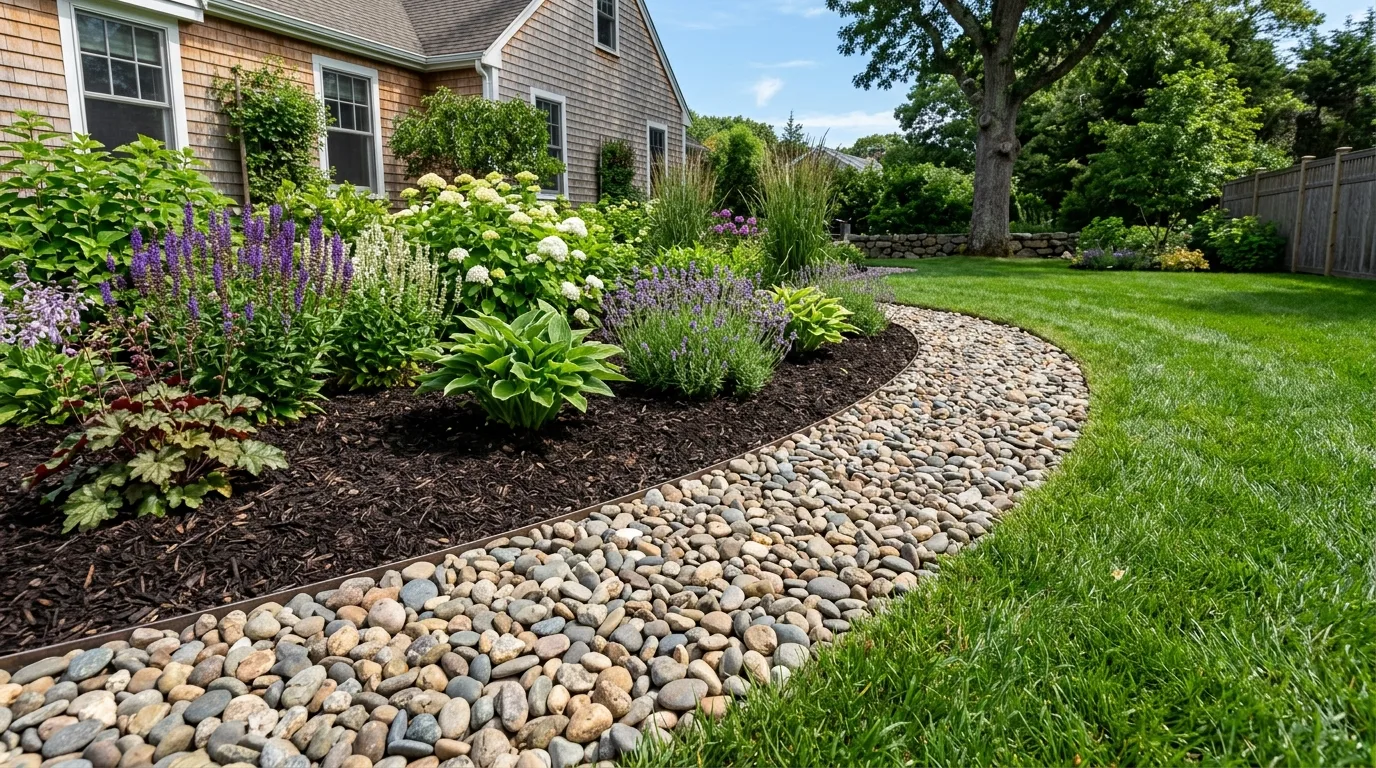
Originating in Japan as 'Kusari-doi', rain chains transform functional rainwater management into an enchanting landscape feature. Water gracefully dances down a series of copper or bronze cups into a decorative river stone catchment basin or sunken gravel infiltration reservoir.
Underground Rainwater Cistern Storage System
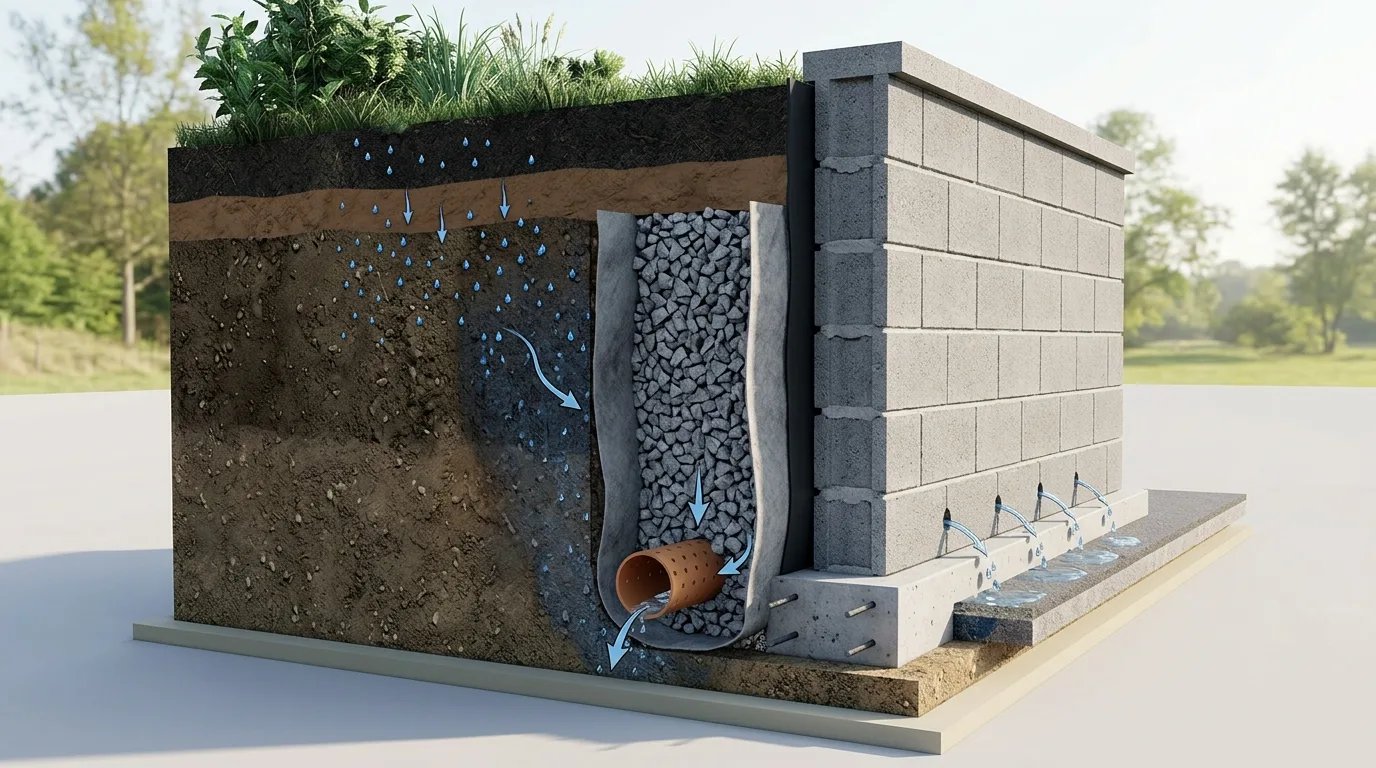
For homeowners seeking complete landscape water self-sufficiency, underground cisterns store thousands of gallons beneath lawns or stone patios. Equipped with an internal sediment vortex filter and an automated submersible pump, the system powers drip irrigation manifolds without taking up outdoor living space.
Daisy-Chained Multi-Barrel Gravity Rig

A single downspout easily overfills a 55-gallon barrel in a moderate 10-minute shower. Linking three barrels in series using bottom bulkhead connections allows all units to fill simultaneously from one downspout while drawing water from a single master hose bib.
Greenhouse & Garden Shed Catchment Rig
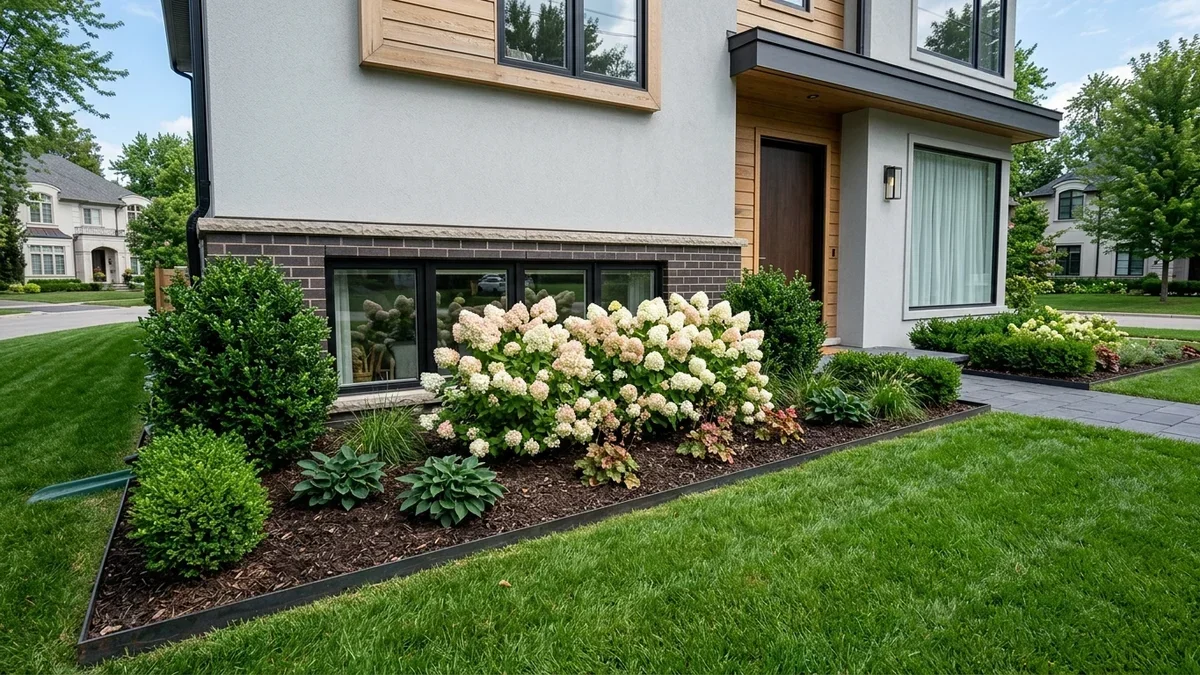
Detached potting sheds, chicken coops, and hobby greenhouses have significant roof footprints. Installing lightweight vinyl gutters along shed eaves directs soft rainwater straight into a dedicated barrel adjacent to your vegetable garden, eliminating the need to drag heavy garden hoses.
Rainwater Garden Retention Ponds & Bio-Swales
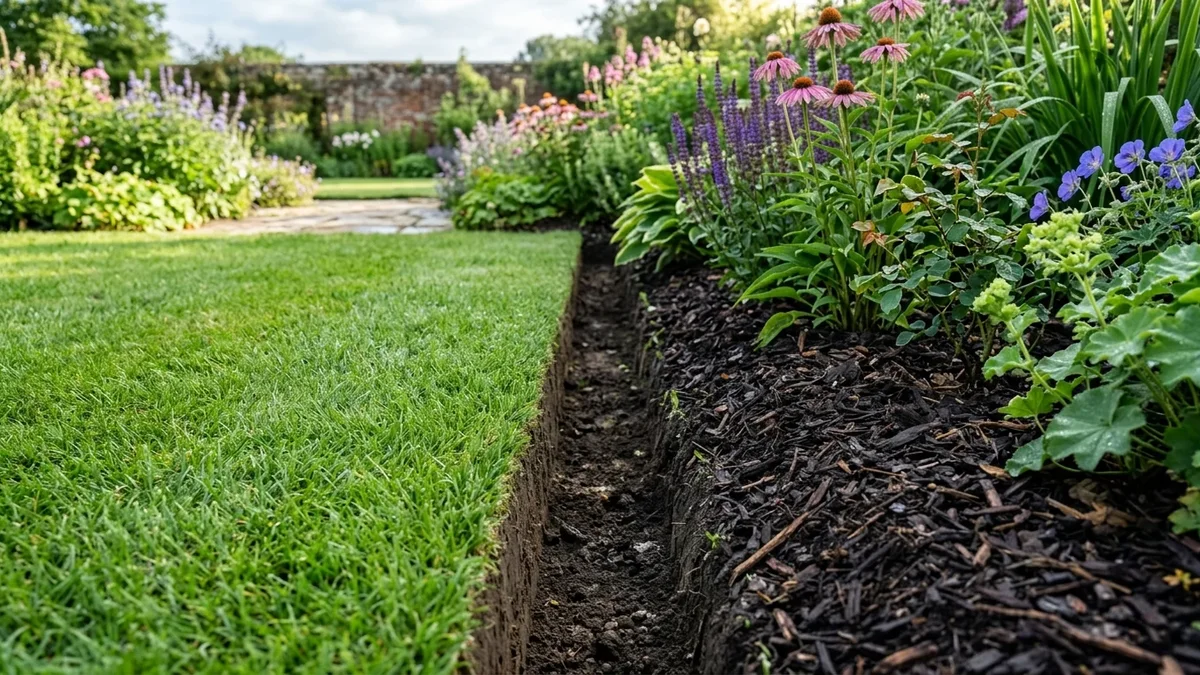
Instead of storing water in plastic tanks, channel roof downspouts through a gentle dry riverbed into a landscaped rain garden pond. Layered with engineered sandy loam and deep-rooted native perennials, it filters road runoff, recharges aquifers, and prevents yard pooling.
Permeable Paver Base Storage Reservoirs

Permeable interlocking concrete pavers (PICP) look like luxury traditional pavers but feature wide joint spacers filled with crushed aggregate. Rainwater passes instantly through the stone surface into an 8-to-12-inch open-graded stone reservoir that stores runoff until it percolates into surrounding soil.
Sub-Deck Bladder & Low-Profile Water Tanks
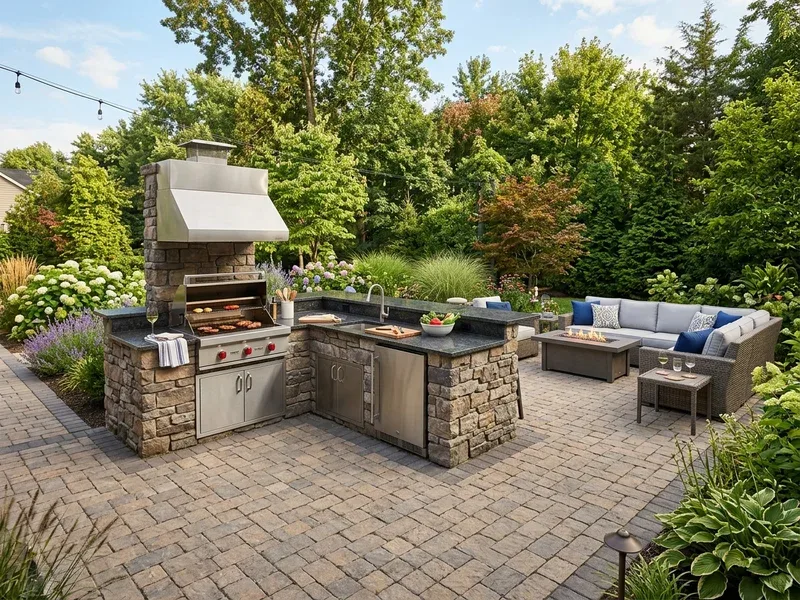
When yard space is tight or homeowners association covenants restrict visible rain barrels, flexible bladder tanks slide under raised cedar decks or porch floor joists. Unseen from the street, they quietly collect roof water through downspout diverters routed beneath decking.
Standalone Rain Saucer Catchment Rig

For community garden plots or remote orchard corners situated far from the house, rain saucers mount directly atop 55-gallon drums like giant inverted umbrellas. Every shower captures pure water directly from the sky, providing off-grid hydration without pumps or trenching.
Cold Climate Protection
Winterizing Above-Ground Rain Barrels in Massachusetts
Draining & Valve Protection
Water expands by approximately 9% in volume when freezing into solid ice. If left half-full, a frozen rain barrel will split along its bottom seams and crack its brass ball valve. Drain all barrels completely by late October, leave spigots open, and invert barrels so winter snow cannot accumulate inside.
Winter Gutter Reconnection
Disconnect the flexible diverter hose leading to the barrel and install the manufacturer's winter bypass plug into the downspout hole. This ensures that winter roof snowmelt flows freely through the permanent gutter system away from your home's foundation rather than spilling over your patio.
Homeowner FAQs
Frequently Asked Questions About Rainwater Collection
Answers
Frequently asked questions
01Is it legal to collect rainwater in Massachusetts?
Yes. Rainwater harvesting for residential landscape irrigation and outdoor garden use is 100% legal in the Commonwealth of Massachusetts. State environmental agencies and municipal conservation commissions actively encourage rainwater collection to recharge local aquifers and reduce peak strain on municipal stormwater infrastructure.
Explore residential yard drainage and hardscape installation services →
02How much rainwater can you collect from a typical roof?
As a proven hydrological rule, a 1-inch rainfall falling on a 1,000-square-foot roof yields approximately 600 gallons of harvestable rainwater. Over a typical New England summer receiving 12 to 16 inches of precipitation, a standard home roof sheds over 8,000 gallons of chemical-free water.
Discover comprehensive residential yard drainage solutions →
03Is collected rainwater safe for edible vegetable gardens?
Rainwater harvested from standard asphalt fiberglass shingle, metal, or slate roofs is generally safe for irrigating ornamental landscapes and edible gardens if applied at the soil base around roots rather than sprayed over edible leafy greens. Avoid harvesting from roofs with lead flashing or copper treated shake roofs.
04How do you keep mosquitoes from breeding in rain barrels?
To eliminate mosquitoes, seal all intake openings with fine stainless steel or brass mesh wire screen (1/16-inch gauge) and add non-toxic BTI mosquito dunks (Bacillus thuringiensis israelensis) once monthly. BTI is a naturally occurring soil bacterium that kills mosquito larvae within hours without harming pets, birds, or plants.
05How do you winterize rain barrels in Massachusetts (Zone 6b)?
Before the first hard freeze in early November, completely drain all above-ground rain barrels, open the bottom drain spigots, disconnect the gutter diverter, and store barrels upside down or indoors in a garage or shed. Water expanding into ice will crack polyethylene barrel bases and shatter brass valve fittings.
06Can rain barrel overflow cause foundation leaks?
Yes, if not engineered properly. A full 55-gallon rain barrel will overflow within 10 to 15 minutes during a heavy summer thunderstorm. Always equip barrels with a dedicated 1.5-inch to 2-inch overflow hose routed at least 10 feet away from home foundation walls, discharging into a rock garden or swale.
Learn how professional swales protect residential foundations →
07Why is rainwater better for plants than municipal tap water?
Rainwater is naturally soft, completely chlorine-free, unchlorinated, and slightly acidic (pH 5.6 to 6.2), making it the ideal irrigation source for acid-loving shrubs like hydrangeas, azaleas, and blueberries. Municipal water often contains dissolved minerals and salts that can build up in container soils.
08How much does it cost to install a rainwater collection system?
A DIY single 50-to-65-gallon rain barrel kit with downspout diverter costs between $90 and $180. A professional multi-barrel or 500-to-1,500-gallon underground cistern system—including excavation, submersible pump, sediment pre-filtration, and overflow drainage—ranges from $1,500 to $4,800.
Check Massachusetts hardscaping and drainage pricing benchmarks →
Citations: Massachusetts Clean Water Trust, EPA WaterSense Rainwater Harvesting Guidelines, and UMass Amherst Extension Agricultural Water Conservation Guides.
Updated:Need Help Designing an Integrated Yard Drainage & Rain Catchment System?
Connect with screened, independent landscape contractors and drainage specialists in Peabody and Essex County for free estimates on rain gardens, permeable pavers, and downspout drainage.
Get connected with an independent local landscaping professional. Calls go to (877) 537-6896.