Month-by-Month Flower Planting Guide
Use this US flower planting calendar to see what to start indoors, direct sow, transplant, or plant each month—then adjust the timing for your local frost dates, climate, and flower type.

When Should You Plant Flowers? The Golden Rule
There is no single flower-planting month that works everywhere in the United States. For annual flowers, your local last spring frost and each flower's cold tolerance usually matter more than the calendar alone. Perennials also depend on winter hardiness, while spring-flowering bulbs are commonly planted in fall and tender summer bulbs after frost danger has passed. Use the monthly guide below together with local weather and plant-specific instructions.
The Three Cardinal Rules of Flower-Planting Timing
Calendar months are broad seasonal labels. Your local last frost date determines when soil thaws and tender stems survive.
USDA zones define winter minimum temperatures for perennial survival. They do NOT dictate spring annual planting dates.
Spring bulbs must be planted in autumn; perennials establish roots in year one; annuals bloom 4–12 weeks after sowing.
Interactive Decision Tool
Personalize Your Flower Planting Calendar
Flowers to Plant in May
May is the premier flower-planting month across most northern and temperate US regions. Once your local last frost date passes and soil warms to 60°F–65°F, transplant tender annuals (zinnias, impatiens, begonias, coleus) and direct-sow sunflowers. Plant tender summer bulbs like dahlias, gladiolus, and cannas in warm soil.
Late succession annuals, Emergency replacements for failed direct seeds
Zinnias, Sunflowers, Cosmos, Morning Glories, Nasturtiums, Four O'Clocks, Amaranth
Impatiens, Wax Begonias, Coleus, Vinca, Zinnias, Petunias, Marigolds, Calibrachoa, Lantana
Dahlia tubers, Gladiolus corms, Canna lilies, Caladiums, Elephant ears, All potted perennials
Horticultural Science
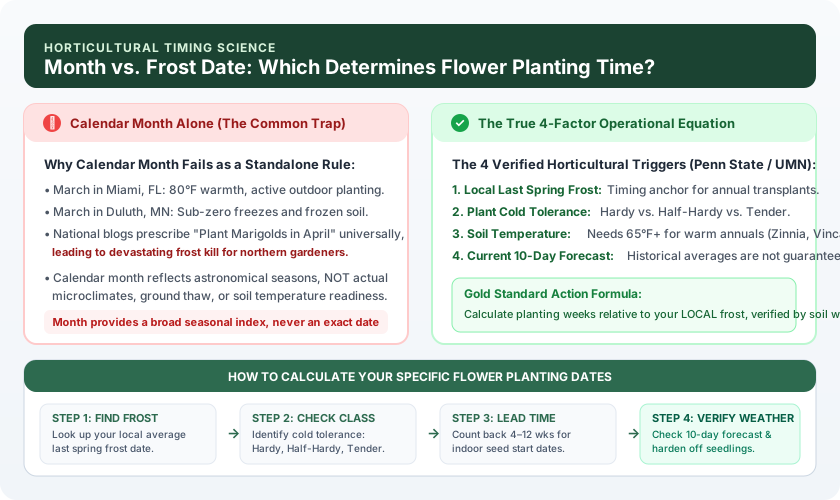
Month vs. Frost Date: Which Determines Flower Planting Time?
Every spring, thousands of tender annuals perish across America because gardeners follow generic calendar headlines such as “Plant Marigolds in April.” In subtropical Florida, April is warm summer weather, while in Minnesota, soil remains frozen under snow. Authoritative university research—including Penn State Extension and University of Minnesota Extension—proves that planting dates must be anchored to your local average last spring frost date, adjusted for each flower species' genetic cold tolerance.
Climatic Clarification
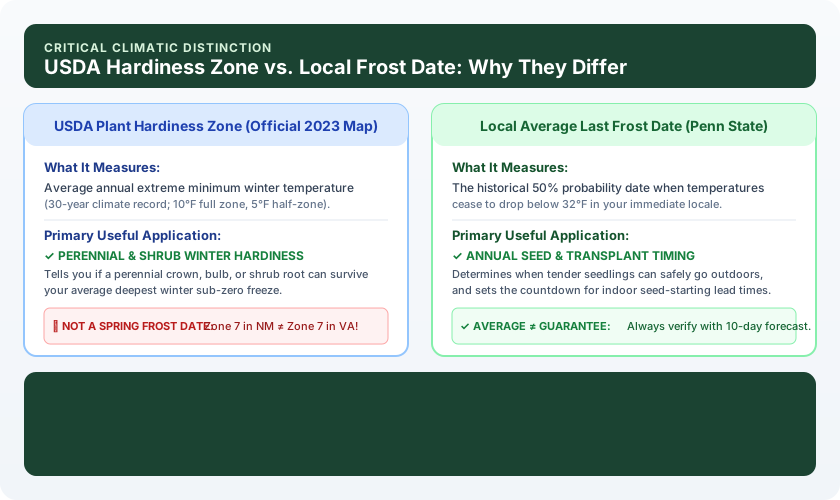
USDA Hardiness Zone vs. Last Frost Date: Crucial Differences
The official 2023 USDA Plant Hardiness Zone Map divides North America into 10°F zones (and 5°F half-zones) based exclusively on the average annual extreme minimum winter temperature over a 30-year period. Its primary role is telling you whether a perennial crown, shrub root, or hardy bulb can survive your deepest winter freeze. It does not tell you when your last spring frost occurs.
At-a-Glance Calendar
Quick Month-by-Month Flower Planting Calendar Table
| Month | Main Gardening Focus | Indoor Seed Starting | Outdoor Direct Sowing | Transplanting Out | Bulbs & Perennials | Climate & Frost Note |
|---|---|---|---|---|---|---|
| January | Garden planning, seed catalog ordering, very early indoor starts, winter bed prep | Lisianthus, pansies, violas, wax begonias (very slow growers only in Zones 3–6) | Winter sowing in milk jugs (cold stratification); active sowing only in frost-free Zones 10–13 | None in freezing zones; cool-season annuals (pansies, snapdragons) in Zones 9–11 | Inspect stored summer tubers in basement; plant pre-chilled bulbs in warm-winter South | Ground frozen across most of North; outdoor gardening active only in Deep South/FL/CA/HI |
| February | Indoor seed starting accelerates for long-lead annuals; soil prep in moderate climates | Pelargonium geraniums, petunias, snapdragons, lobelia, ageratum, begonias | Poppies and sweet peas in moderate Zone 7–8 climates; native seed cold-stratification | Hardy cool-season bedding in mild-winter South; zero outdoor planting in frozen North | Check dahlia/canna tubers for shriveling or rot; pot up summer tubers indoors late month | Northern gardeners must resist planting too early; monitor indoor seedling light and humidity |
| March | High-volume indoor seed starting; first hardy annual plantings in temperate zones | Marigolds, salvia, rudbeckia, dianthus, verbena, aster, cosmos (temperate zones) | Sweet alyssum, calendula, larkspur, nigella, bachelor's buttons (if soil workable) | Hardy pansies and violas into outdoor pots/beds 3–4 weeks before frost in Zones 6–7 | Plant bare-root perennials once soil thaws; pot up dahlias indoors 4–6 weeks before frost | Crucial transition month; timing hinges strictly on local soil thaw and frost window |
| April | Peak indoor starting for quick annuals; direct sowing hardy seeds; spring bedding | Zinnias, cosmos, sunflowers, nasturtiums (short lead 3–4 weeks before frost) | Direct sow hardy annuals (sweet alyssum, calendula, bachelor's buttons, California poppies) | Hardy annuals (snapdragons, pansies, dianthus); half-hardy petunias with frost cover ready | Divide and transplant summer-blooming perennials; plant dormant bare-root perennials | Last spring frost occurs for many temperate regions; monitor 10-day forecast for late freezes |
| May | The premier planting month in cold/temperate USA; post-frost bedding plant bonanza | Late succession annuals; emergency seedling replacements for leggy starts | Zinnias, sunflowers, cosmos, nasturtiums, morning glories (soil >60°F) | All tender annuals (impatiens, begonias, coleus, vinca) once frost danger has passed | Plant summer tubers and corms (dahlias, gladiolus, cannas, caladiums) in warm soil | Wait until night temps stay reliably above 50°F before planting tender warm-weather flowers |
| June | Summer annual establishment, container garden planting, succession sowing, mulching | Biennials (foxglove, hollyhock) and fall pansies for late-season planting | Second round of quick-blooming annuals (zinnias, sunflowers) for late-summer color | Heat-loving annuals (vinca, pentas, lantana, portulaca); potted perennial installations | Succession planting of gladiolus corms; plant container perennials with deep watering | Deep South enters high summer heat stress; shift planting to mornings and provide deep mulch |
| July | Garden maintenance, watering, deadheading, planning fall beds, heat-tolerant gap filling | Fall pansies, violas, and ornamental kale/cabbage in cool basement/air-conditioned room | Last succession sowing of rapid-cycle annuals (calendula, sweet alyssum) in cooler zones | Replacement annuals for heat-fatigued spring containers; heat-loving tropicals only | Avoid bare-root perennials; container perennials require intensive daily irrigation | Planting halts in extreme heat; focus on mulch preservation, irrigation, and fall seed ordering |
| August | Transition to fall planning; start ordering spring bulbs; late-summer perennial division | Cool-season bedding plants for fall displays in temperate and southern climates | Direct sow cool-season annuals (sweet alyssum, calendula) for autumn garden color | Late-season nursery perennials in cooler regions toward end of month with root stimulants | Order spring-flowering bulbs (tulips, daffodils); divide iris and daylilies mid-to-late month | Late August begins optimal 6-week window for fall perennial root establishment in northern states |
| September | Premier fall perennial planting window; cool-season annuals; spring bulb installations | Winter/spring greenhouse annuals in mild-winter southern and coastal zones | Native wildflower seed mixes for winter cold stratification; winter sweet peas in South | Fall mums, asters, flowering kale, pansies; container-grown perennials, shrubs, and grasses | Plant daffodils, crocus, and alliums once soil temps drop below 60°F; divide perennials | New perennials need 6 weeks of root growth before first hard ground freeze; water deeply |
| October | Peak spring-flowering bulb planting; garden winterization; fall cleanup and mulching | Indoor amaryllis and paperwhites for holiday forcing projects | Late fall broadcast sowing of native perennials and cold-requiring wildflowers over snow/soil | Hardy pansies and ornamental kale; wrap up perennial transplanting before soil freezes | Plant tulips, hyacinths, and alliums; dig up tender dahlia/canna tubers after first frost | Southern and mild-winter climates begin their major cool-season bedding transplanting season |
| November | Last-chance spring bulbs; winter mulch protection; mild-climate cool-season beds | Indoor bulb forcing (paperwhites, prepared hyacinths); indoor microgreens/herbs | Dormant seeding of native wildflowers onto frozen ground or raked garden beds | None in freezing northern zones; peak cool-season annual planting in Zones 8–11 | Plant remaining tulip bulbs as long as ground is workable; apply 3 inches of protective mulch | Northern ground freezes lock out outdoor digging; focus on winter garden sanitation and tool care |
| December | Indoor garden enjoyment, holiday forcing, tool maintenance, seed catalog dreaming | Very early lisianthus starts late month for northern flower farmers with heated setups | Winter sowing containers placed outside in snow; active outdoor planting in frost-free zones | Zero outdoor planting in temperate/cold USA; active bedding in South FL, HI, PR, coastal CA | Plant pre-chilled spring bulbs in mild-winter South; inspect stored dahlia tubers for moisture | Frost-free and subtropical US regions experience their most comfortable outdoor flower season |
What Flowers to Plant Each Month: Detailed Seasonal Playbook
Explore month-by-month recommendations broken down by indoor seed starting, direct sowing, outdoor transplanting, perennials, and regional climate variations.

Flowers to Plant in January
START INDOORS:
Lisianthus (Eustoma), Pansies & Violas (for early spring), Wax Begonias, Dusty Miller
Only start species with extreme 10-to-14-week indoor lead times (University of Minnesota Extension). Lisianthus seeds are microscopic and grow at a crawl in early weeks, requiring 14–16 hours of daily grow-light exposure and sterile seed-starting mix. Do not start quick annuals (zinnias, marigolds) in January or they will become hopelessly leggy.
DIRECT SOW OUTDOORS:
Native Wildflower seeds (for natural cold stratification), Winter Sowing in milk jugs
In cold climates, direct sowing into frozen garden beds is generally ineffective. However, 'winter sowing' in vented plastic milk jugs left outdoors in the snow allows natural freeze-thaw cycles to break seed dormancy for hardy native perennials (milkweed, coneflower, ironweed).
TRANSPLANT OUTDOORS:
None in Zones 3–8, Cool-season bedding in Zones 9–11 (pansies, snapdragons, petunias)
Frozen soil and sub-freezing air in northern and temperate zones destroy root systems. In frost-free South Florida, coastal Southern California, and Hawaii, January is prime transplanting weather for cool-season annuals.
PERENNIALS & BULBS:
Stored Dahlia & Canna Tubers (inspect in storage), Pre-chilled Spring Bulbs (mild-winter South)
Inspect stored tender tubers in your basement. If tubers look shriveled, mist lightly with water; if mushy or rotting, discard immediately. In warm southern climates (Zones 9–10), plant pre-chilled tulips and daffodils.
- Cold Climates (Zones 3–5):Zones 3–5: Ground is frozen solid. Focus 100% on seed orders, drawing garden bed layouts, and checking grow lights.
- Moderate Climates (Zones 6–7):Zones 6–7: Prepare indoor seed-starting stations, clean seed trays, and verify your local average last frost date.
- Warm Climates (Zones 8–11):Zones 8–11: Active outdoor gardening. Plant petunias, pansies, alyssum, and delphinium transplants for winter/spring color.
- Frost-Free Tropics (Zones 11–13):Zones 11–13 (South FL, HI, PR): Dry season gardening. Plant tropical hibiscus, bougainvillea, and warm-season annuals.
- Verify indoor grow-light bulb strength (T5 fluorescent or high-output LED).
- Check your seed packet's 'Weeks to Transplant' specification.
- Inspect stored dahlia and canna tubers for rot or desiccation.
- Never buy annual nursery flats in January in cold zones unless you have a heated greenhouse.

Flowers to Plant in February
START INDOORS:
Pelargonium Geraniums, Snapdragons, Petunias, Lobelia, Ageratum, Dianthus
University of Minnesota Extension emphasizes that flowers like geraniums, snapdragons, and petunias require 8 to 12 weeks of indoor growth before garden readiness. Use sterile soilless mix, maintain bottom heat at 70°F–75°F until seeds germinate, then move immediately under strong lights 2 inches above seedling canopies.
DIRECT SOW OUTDOORS:
Sweet Peas (Lathyrus odoratus in Zones 7–9), Poppies (Papaver), Larkspur (Consolida)
In temperate and southern regions where ground is workable, direct-sow cold-hardy annuals. Sweet peas and poppies germinate in cold 40°F–50°F soils and resent root disturbance; direct sowing creates deep, vigorous taproots.
TRANSPLANT OUTDOORS:
Hardy pansies and violas in Zones 7–9, Winter annuals in Zones 10–11
Hold off entirely on outdoor transplanting in northern zones. In moderate climates, hardened pansies can be installed into window boxes and containers to brighten late-winter thaw periods.
PERENNIALS & BULBS:
Bare-root roses (in Zones 7–9), Dahlia tubers (pot up indoors late month in cold zones)
Gardeners eager for early dahlia blooms can pot up tubers in containers indoors in late February under lights, giving them a 6-week head start before transplanting out after frost.
- Cold Climates (Zones 3–5):Zones 3–5: Start geraniums, begonias, and lisianthus indoors; keep seedlings warm away from drafty windows.
- Moderate Climates (Zones 6–7):Zones 6–7: Sow snapdragons, pansies, and petunias indoors; prepare outdoor garden beds as soon as soil isn't muddy.
- Warm Climates (Zones 8–11):Zones 8–10: Direct sow sweet peas, bachelor's buttons, and poppies; transplant hardy spring annuals into beds.
- Frost-Free Tropics (Zones 11–13):Zones 11–13: Peak blooming season for winter flowers; prepare beds for late-spring tropical varieties.
- Test soil workability: squeeze a handful of garden soil—if it forms a sticky wet ball, do not dig.
- Check timer on seedling grow lights (maintain 14–16 hours daily).
- Confirm local average last frost date using historical NOAA climate data.
- Review seed packet depth rules (some seeds require light, others complete darkness).

Flowers to Plant in March
START INDOORS:
French & African Marigolds, Salvia, Rudbeckia (Black-Eyed Susan), Cosmos (late March in mild zones), Asters
Sow 6-to-8-week flowers indoors. Seeds sprout rapidly at 70°F. Once true leaves emerge, fertilize weekly with half-strength liquid organic fertilizer. Brush seedling tops gently with your hand daily to stimulate sturdy stem thickening.
DIRECT SOW OUTDOORS:
Sweet Alyssum, Calendula, Bachelor's Buttons (Centaurea), Poppies, Larkspur
Illinois Extension classifies sweet alyssum and calendula as hardy annuals capable of handling cold spring soil. Rake topsoil fine and direct-sow into prepared beds 3–4 weeks before frost-free date.
TRANSPLANT OUTDOORS:
Hardy Pansies & Violas, Cold-hardened Snapdragons, Dusty Miller, Ornamental Cabbage
Illinois Extension notes hardy annuals can often be planted approximately 4 weeks before the local frost-free date. These species survive 28°F night frosts provided they have undergone thorough hardening off.
PERENNIALS & BULBS:
Bare-root perennial crowns (Echinacea, Phlox, Hostas), Dormant summer bulbs potted indoors
Plant dormant bare-root perennials outdoors as soon as the soil thaws and drains. Roots develop rapidly in cool early-spring soil before top leaf buds break dormancy.
- Cold Climates (Zones 3–5):Zones 3–5: Snow often still covers beds. Keep seed starting indoors; start petunias, snapdragons, and dianthus now.
- Moderate Climates (Zones 6–7):Zones 6–7: Install pansy containers and direct-sow poppies; start marigolds and zinnias indoors late month.
- Warm Climates (Zones 8–11):Zones 8–10: Last frost has arrived or passed; transplant warm-season annuals and direct-sow sunflowers.
- Frost-Free Tropics (Zones 11–13):Zones 11–13: Shift focus to heat-resistant perennials; mulching is essential to retain soil moisture.
- Squeeze test garden soil: never till or dig saturated, muddy clay soil or you destroy soil structure.
- Check 10-day overnight forecast before transplanting hardened pansies.
- Rotate seedling trays 180 degrees if growing in natural window light to prevent leaning.
- Pot up seedlings into 3-inch containers when second set of true leaves develops.

Flowers to Plant in April
START INDOORS:
Zinnias (3–4 weeks before frost), Cosmos, Sunflowers (peat pots), Nasturtiums, Portulaca
University of Minnesota Extension emphasizes that fast-growing annuals like zinnias, cosmos, and sunflowers need only 3 to 4 weeks indoors. Sown too early, they become root-bound and stall after transplanting. Use peat or paper pots for sunflowers and nasturtiums to protect sensitive taproots.
DIRECT SOW OUTDOORS:
Sweet Alyssum, Bachelor's Buttons, Calendula, Poppies, Nigella (Love-in-a-Mist), Morning Glories (late April in warm zones)
Sow directly into garden soil. Keep seedbed moist with fine misting until germination. Illinois Extension confirms half-hardy annuals can go out roughly 2 weeks before the frost-free date.
TRANSPLANT OUTDOORS:
Snapdragons, Pansies & Violas, Dianthus, Sweet Alyssum, Half-hardy Petunias (with frost cloth ready)
Penn State Extension's March 30, 2026 guidance emphasizes using your local average last frost date as an operational reference while watching daily weather. Begin transplanting hardy annuals and prepare frost protection for surprise dips.
PERENNIALS & BULBS:
Bare-root and potted perennials, Summer bulbs (dahlias, gladiolus) in Zones 8–10
April is ideal for dividing and transplanting established summer- and fall-blooming perennials (hostas, daylilies, coneflowers, sedums) while shoots are just 2 to 4 inches high.
- Cold Climates (Zones 3–5):Zones 3–5: Final indoor seed rush. Do not rush tender plants outside; April blizzards and hard freezes are common.
- Moderate Climates (Zones 6–7):Zones 6–7: Last frost typically occurs mid-to-late April. Begin 10-day hardening-off protocol for seedlings.
- Warm Climates (Zones 8–11):Zones 8–10: Frost danger is past. Plant warm-season annuals (zinnias, coleus, pentas, vinca) and summer bulbs.
- Frost-Free Tropics (Zones 11–13):Zones 11–13: High heat begins. Ensure deep 3-inch mulch layer and regular irrigation for flowering beds.
- Soil temperature thermometer: check that soil reaches at least 50°F before direct-sowing warm seeds.
- Check 10-day overnight low forecast before putting out tender bedding plants.
- Begin 7-to-10-day seedling hardening off: move trays to sheltered outdoor shade for 2 hours on Day 1.
- Inspect perennial crowns for green shoot emergence before dividing.

Flowers to Plant in May
START INDOORS:
Late succession annuals, Emergency replacements for failed direct seeds
Indoor seed starting winds down for most flowers. Start late successions of quick annuals or biennials (foxglove, Canterbury bells) for next season.
DIRECT SOW OUTDOORS:
Zinnias, Sunflowers, Cosmos, Morning Glories, Nasturtiums, Four O'Clocks, Amaranth
Direct sow warm-season annuals once soil temperature reaches 65°F. University of Minnesota Extension notes that warm-season annuals like zinnias should wait until all frost danger has passed and soil is warm.
TRANSPLANT OUTDOORS:
Impatiens, Wax Begonias, Coleus, Vinca, Zinnias, Petunias, Marigolds, Calibrachoa, Lantana
Illinois Extension classifies these as tender annuals. Planting into cold, waterlogged soil causes root rot and stunting; wait until night temperatures reliably stay above 50°F.
PERENNIALS & BULBS:
Dahlia tubers, Gladiolus corms, Canna lilies, Caladiums, Elephant ears, All potted perennials
Penn State Extension confirms tender summer-blooming geophytes (dahlias, cannas, caladiums) should be planted in late spring after soil warms to 60°F+. Plant dahlia tubers 4–6 inches deep with the eye facing up.
- Cold Climates (Zones 3–5):Zones 3–5: Average last frost is often mid-to-late May. Keep frost blankets handy until Memorial Day.
- Moderate Climates (Zones 6–7):Zones 6–7: Frost danger has passed. Full-steam planting for beds, window boxes, and hanging baskets.
- Warm Climates (Zones 8–11):Zones 8–10: Transition to heat-loving flowers (vinca, pentas, portulaca) before intense summer humidity.
- Frost-Free Tropics (Zones 11–13):Zones 11–13: Rainy season begins in South Florida; select fungus-resistant tropical perennials.
- Soil thermometer: ensure soil is at least 60°F at 4-inch depth for dahlias, zinnias, and caladiums.
- Check root balls of nursery container plants: gently loosen tightly wound root-bound coils before planting.
- Verify that seedlings have completed a full 7-to-10-day outdoor hardening-off process.
- Apply 2 to 3 inches of organic mulch immediately after planting to retain moisture and prevent weed competition.

Flowers to Plant in June
START INDOORS:
Biennials for next year (Foxglove, Hollyhock, Sweet William), Fall pansies & ornamental kale (late June in far North)
Start biennial flower seeds in flats in a sheltered, shaded outdoor spot or cool indoor room. Biennials produce leafy rosettes in year one and flower spectacularly in year two.
DIRECT SOW OUTDOORS:
Zinnias (Succession batch 2), Sunflowers (Succession batch 2), Cosmos, Portulaca (Moss Rose), Celosia
Succession sowing quick 60-day annuals in mid-June guarantees fresh, powdery-mildew-free blossoms in September and October when early spring plantings begin to tire.
TRANSPLANT OUTDOORS:
Vinca (Madagascar Periwinkle), Lantana, Pentas, Angelonia, Portulaca, Sweet Potato Vine
Vinca thrives in June's baking heat. Illinois Extension notes vinca requires warm soil to thrive and suffers severe fungal root issues if planted in cool spring soil.
PERENNIALS & BULBS:
Container-grown perennials (Coneflower, Black-Eyed Susan, Salvia, Coreopsis), Second batch of Gladiolus corms
Potted perennials can be planted throughout June. Water deeply at the root zone on planting day and mulch thoroughly. Stagger gladiolus corm plantings every two weeks through early July.
- Cold Climates (Zones 3–5):Zones 3–4: Growing season is in full swing; finish planting warm-season annuals during the first week.
- Moderate Climates (Zones 6–7):Zones 5–7: Ideal planting conditions; monitor rainfall and irrigate new transplants with 1 inch weekly.
- Warm Climates (Zones 8–11):Zones 8–10: Intense summer heat sets in. Plant only extreme heat-tolerant species and plant in early mornings.
- Frost-Free Tropics (Zones 11–13):Zones 11–13: Tropical rainy season; ensure raised beds or gravel drainage to avoid root rot.
- Check 5-day heat forecast: avoid planting delicate nursery transplants on 90°F+ heatwave afternoons.
- Plant in late afternoon or on overcast days to minimize acute transplant shock and moisture loss.
- Inspect container plants for root binding; tease apart tightly packed roots with fingers.
- Set up drip irrigation or soaker hoses to ensure consistent deep root watering rather than shallow surface misting.

Flowers to Plant in July
START INDOORS:
Pansies & Violas (for fall bedding), Ornamental Cabbage & Kale, Delphinium, Biennials
Start fall pansies and ornamental cabbage in a cool, air-conditioned room or shaded basement in mid-July. Pansy seed will not germinate if soil temperatures exceed 75°F–80°F, so indoor temperature control is essential.
DIRECT SOW OUTDOORS:
Quick annuals (French Marigolds, Calendula, Sweet Alyssum, Cosmos), Zinnias (Zones 6–8)
In northern and temperate zones, direct-sow fast-maturing annuals (50–60 days to bloom) before mid-July for fresh autumn blossoms that continue until frost.
TRANSPLANT OUTDOORS:
Heat-tough nursery annuals (Lantana, Pentas, Vinca, Zinnia) to fill bare spots
If spring annuals fade or get damaged, replace them with nursery container annuals. Dig planting holes twice as wide as containers, water deeply before and after planting, and mulch.
PERENNIALS & BULBS:
Final batch of Gladiolus corms (early July), Container-grown drought-hardy perennials
Plant the final round of gladiolus corms by July 4–10 for late-September cut flower spikes. Avoid bare-root perennial planting during midsummer heat.
- Cold Climates (Zones 3–5):Zones 3–5: Midsummer peak. Last chance to direct-sow quick annuals for September blooms.
- Moderate Climates (Zones 6–7):Zones 6–7: Start fall pansy seeds in cool indoor areas; water garden beds deeply during dry spells.
- Warm Climates (Zones 8–11):Zones 8–10: Midsummer heat dormancy. Suspend general planting; focus on irrigation and pest management.
- Frost-Free Tropics (Zones 11–13):Zones 11–13: Tropical wet season; deadhead spent blossoms and watch for humid fungal leaf spots.
- Check indoor seed-starting room temperature (must stay below 75°F for pansy seed germination).
- Inspect soil moisture at 3-inch depth before adding new plants into midsummer beds.
- Check for spider mites and powdery mildew on older foliage before adding dense new plantings.
- Water new transplants daily for the first 10 days until root systems tap surrounding bed moisture.

Flowers to Plant in August
START INDOORS:
Pansies & Violas (Zones 7–10), Snapdragons (for winter South bedding), Sweet Alyssum
Southern and coastal gardeners start seeds for cool-season winter/spring annuals in air-conditioned spaces to transplant outdoors in October and November.
DIRECT SOW OUTDOORS:
Sweet Alyssum (for fall bloom), Calendula, Poppies (late August in cold zones for spring germination)
Sow cool-hardy annuals in garden spaces vacated by spent early crops. Calendula and sweet alyssum germinate rapidly in warm soil and thrive as autumn temperatures cool.
TRANSPLANT OUTDOORS:
Early Fall Mums (Chrysanthemums), Fall Asters, Flowering Kale & Cabbage
Late August sees the arrival of potted garden mums and asters. For perennial winter survival, plant garden mums in ground by late August so roots establish before hard frost.
PERENNIALS & BULBS:
Bearded Iris (divide and plant rhizomes), Daylilies (divide), Peonies (late August), Spring bulb orders
Illinois Extension notes many perennials can be transplanted in late summer and early fall. August is the gold-standard month to lift, divide, and replant overcrowded bearded iris rhizomes. Order tulips and daffodils now for best cultivar selection.
- Cold Climates (Zones 3–5):Zones 3–5: Late August begins prime perennial establishment window; new perennials need 6 weeks before hard freeze.
- Moderate Climates (Zones 6–7):Zones 6–7: Divide bearded irises; order spring bulbs; pot on fall pansy seedlings into cell packs.
- Warm Climates (Zones 8–11):Zones 8–10: Start cool-season annual seeds indoors; prepare beds for late-fall bulb and winter garden plantings.
- Frost-Free Tropics (Zones 11–13):Zones 11–13: Maintain tropical perennials; prune spent leggy stems and prepare for winter garden season.
- Count 6 weeks backward from your local average first fall frost to determine your perennial planting deadline.
- Check iris rhizomes for iris borer larvae and soft rot before replanting.
- Pre-order spring-blooming bulbs from reputable nurseries to secure rare varieties.
- Ensure newly planted August perennials receive 1 to 1.5 inches of water weekly despite heat.

Flowers to Plant in September
START INDOORS:
Winter greenhouse annuals, Sweet peas (Zones 8–10 indoors or cold frame)
Indoor starting in the North is largely complete. In the mild-winter South and West, start winter sweet peas and cool-season cut flowers.
DIRECT SOW OUTDOORS:
Native Wildflowers (cold stratification), Larkspur, Poppies (Papaver), Bachelor's Buttons
Sow native wildflowers and hardy annuals. Seeds will either establish small, cold-hardy winter rosettes or remain dormant through winter to sprout in earliest spring.
TRANSPLANT OUTDOORS:
Garden Mums, Fall Asters, Hardy Pansies & Violas, Ornamental Cabbage & Kale, Sedum 'Autumn Joy'
Hardy pansies planted in September develop strong root systems, blooming continuously through autumn, surviving winter under snow, and re-exploding into bloom in March.
PERENNIALS & BULBS:
Daffodils (Narcissus), Crocus, Alliums, Siberian Squill, Peonies (bare root), All container perennials
Penn State Extension guidance confirms spring-flowering bulbs are planted in fall before winter ground freezes. Plant daffodils and small early bulbs first; hold off on tulips until soil temps drop below 55°F.
- Cold Climates (Zones 3–5):Zones 3–5: Finish all perennial planting by mid-September so roots anchor against winter frost heaving.
- Moderate Climates (Zones 6–7):Zones 6–7: Peak month for planting perennials, shrubs, ornamental grasses, and spring-flowering bulbs.
- Warm Climates (Zones 8–11):Zones 8–10: Summer heat breaks; begin transplanting cool-season annuals (petunias, snapdragons, dianthus).
- Frost-Free Tropics (Zones 11–13):Zones 11–13: Prepare for premier winter vegetable and flower gardening season; install warm-climate annuals.
- Check soil temperature: wait until evening soil drops below 60°F before planting spring bulbs.
- Plant bare-root peonies with eyes no more than 1.5 to 2 inches below soil level (planting too deep prevents blooming).
- Water newly installed perennials thoroughly; autumn roots continue growing until soil drops below 40°F.
- Check bulb firmness: discard any soft, moldy, or hollow spring bulbs before trenching.

Flowers to Plant in October
START INDOORS:
Paperwhites (Narcissus tazetta) & Amaryllis (Hippeastrum) for holiday forcing
Start indoor bulb forcing projects. Paperwhites require no pre-chilling and bloom 4 to 6 weeks after potting in pebbles and water. Pot amaryllis bulbs in well-drained soil.
DIRECT SOW OUTDOORS:
Native Milkweed (Asclepias), Coneflowers (Echinacea), Columbine (Aquilegia), Lupines
Direct-sow native perennial seeds onto weed-free soil. Winter's freeze-thaw cycles provide the 60-to-90-day cold-moist stratification required to break seed dormancy naturally.
TRANSPLANT OUTDOORS:
Hardy Pansies, Ornamental Kale, Snapdragons (Zones 7–10), Sweet Alyssum (Zones 8–11)
In cold zones, complete all perennial and pansy transplanting early in the month. In the South and coastal West, October is the premier month for transplanting cool-season bedding annuals.
PERENNIALS & BULBS:
Tulips (Tulipa), Hyacinths, Daffodils, Allium, Crocus, Grape Hyacinth (Muscari)
Penn State Extension's bulb guidance emphasizes planting spring-flowering bulbs in fall before freezing conditions. Plant bulbs at a depth equal to 2 to 3 times their height (e.g., 6–8 inches deep for tulips and daffodils; 3–4 inches for crocus).
- Cold Climates (Zones 3–5):Zones 3–5: Finish bulb planting before ground freezes solid; dig tender dahlia and canna tubers after first frost.
- Moderate Climates (Zones 6–7):Zones 6–7: Prime tulip and hyacinth planting window; plant winter pansies and apply protective winter mulch.
- Warm Climates (Zones 8–11):Zones 8–10: Major flower planting month! Plant pansies, snapdragons, petunias, and chill tulips in refrigerator for 8–10 weeks.
- Frost-Free Tropics (Zones 11–13):Zones 11–13: Excellent planting weather for tropical bloomers, impatiens, and bougainvillea.
- Check soil temperature: ideal tulip planting temp is 40°F–55°F (usually after first light frost).
- Dig up tender tubers (dahlias, cannas, gladiolus) 1–2 days after first frost blackens foliage.
- Label bulb planting locations with wooden stakes so you do not accidentally dig into them in spring.
- Install wire mesh or rodent repellent over tulip bulbs if squirrels and voles are common in your yard.

Flowers to Plant in November
START INDOORS:
Amaryllis & Paperwhites (second batch for New Year's blooms), Winter indoor herbs
Stagger amaryllis and paperwhite plantings for continuous indoor holiday color. Keep potted bulbs in bright, indirect light at 65°F–70°F.
DIRECT SOW OUTDOORS:
Dormant broadcast sowing of native wildflower seeds onto frozen/scratched soil
Dormant seeding: scatter native perennial seeds over garden beds right before snow cover. Winter snowpack presses seeds into soil and provides ideal natural stratification.
TRANSPLANT OUTDOORS:
None in Zones 3–6 (ground frozen), Cool-season bedding in Zones 8–11 (pansies, cyclamen, snapdragons)
Do not plant nursery transplants into freezing northern soil. In southern and coastal climates, transplant winter annuals that will bloom without interruption through April.
PERENNIALS & BULBS:
Late-arriving Tulip bulbs (as long as soil can be dug), Pre-chilled bulbs in the Deep South
If you discover leftover tulip bulbs in November, plant them immediately! Even bulbs planted in late November into cold soil perform far better than bulbs left to rot in a garage.
- Cold Climates (Zones 3–5):Zones 3–5: Ground freezes solid. Cut back diseased perennial foliage, clean tools, and apply 3 inches of protective winter mulch.
- Moderate Climates (Zones 6–7):Zones 6–7: Finish late bulb installations; apply shredded bark or pine needle mulch once ground freezes lightly.
- Warm Climates (Zones 8–11):Zones 8–10: Prime winter flower season. Install cyclamen, pansies, violas, and alyssum into beds and containers.
- Frost-Free Tropics (Zones 11–13):Zones 11–13: Ideal weather for lush flowering displays; plant tropicals, hibiscus, and bougainvillea.
- Check soil freeze status: if ground is frozen, mulch over late bulbs heavily with 4–6 inches of straw.
- Check stored tubers in basement: ensure temperature stays between 40°F and 50°F (never freeze).
- Clean, sanitize, and oil garden trowels, spades, and pruners before winter storage.
- Ensure outdoor hoses are drained and disconnected from hose bibbs to prevent pipe freezing.

Flowers to Plant in December
START INDOORS:
Winter bulb forcing (Amaryllis, Paperwhites), Commercial flower farm lisianthus (late Dec with heated setups)
Enjoy indoor flowering amaryllis and paperwhites. Professional flower farmers in northern climates start lisianthus under controlled commercial setups in late December.
DIRECT SOW OUTDOORS:
Dormant wildflower seeding over winter snow cover (Zones 3–7), Winter annual seeds in Zones 10–13
Scatter native prairie wildflower seeds over thin snow cover on calm days. Melting snow draws seeds down into soil crevices for natural winter stratification.
TRANSPLANT OUTDOORS:
None in freezing climates, Full winter bedding palette in Zones 10–13 (Petunias, Impatiens, Begonias, Geraniums)
While northern landscapes rest under snow, South Florida, the Desert Southwest, and coastal California enjoy their most productive, comfortable outdoor flower planting season of the year.
PERENNIALS & BULBS:
Pre-chilled Tulips and Daffodils (in Zones 9–10 after 10–12 weeks of refrigeration)
In warm-winter southern areas where winters lack natural chilling hours, gardeners remove pre-chilled bulbs from the refrigerator in December and plant them immediately for February blooms.
- Cold Climates (Zones 3–5):Zones 3–5: Deep winter freeze. Keep outdoor evergreens protected from heavy snow loads; study seed catalogs.
- Moderate Climates (Zones 6–7):Zones 6–7: Dormant season. Inspect winter mulch; check stored bulbs; plan spring flower bed expansions.
- Warm Climates (Zones 8–11):Zones 8–10: Plant pre-chilled spring bulbs; enjoy blooming winter pansies, violas, and snapdragons.
- Frost-Free Tropics (Zones 11–13):Zones 11–13: Peak outdoor flower season; enjoy lush poinsettias, orchids, tropical begonias, and bougainvillea.
- Check refrigeration time for southern spring bulbs (must have 10–14 weeks at 35°F–45°F away from fruit).
- Inspect indoor forced bulbs: keep away from direct heat registers and drafty exterior doors.
- Check stored dahlia tubers for dry rot or early shriveling.
- Review garden notes and photo logs from the past season to guide 2027 seed varieties.
Horticultural Classification
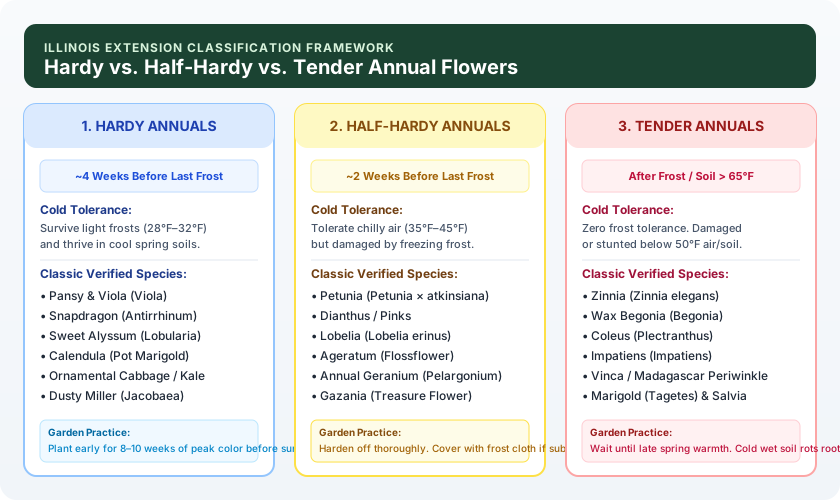
Hardy vs. Half-Hardy vs. Tender Annual Flowers
Before purchasing annual nursery flats or setting out seedlings, identify your flower species' cold tolerance classification. Illinois Extension guidance establishes three distinct operational tiers: hardy annuals that withstand 28°F night frosts, half-hardy annuals that tolerate chilly 40°F breezes but suffer damage below 32°F, and tender annuals that require warm soil (>60°F–65°F) and zero frost exposure.
The Universal Timing Standard
Flower Planting Schedule Relative to Your Last Spring Frost
| Weeks Relative to Last Frost | Approx. Month (Cold Zones) | Indoor Seed Starting | Direct Sowing Outdoors | Outdoor Transplanting | Target Soil / Air Conditions |
|---|---|---|---|---|---|
| 12 to 16 Weeks Before Last Frost | Mid-January to Early February | Lisianthus, Wax Begonias, Slow Perennials (Eustoma, Begonia semperflorens) | None (Ground frozen across cold/moderate zones) | None (Strictly indoor under grow lights) | Indoor seed mats at 70°F–75°F; 14–16 hrs high-output light |
| 8 to 12 Weeks Before Last Frost | February to Early March | Geraniums, Snapdragons, Petunias, Lobelia, Ageratum, Dianthus, Pansies | None in frozen North; Sweet Peas and Poppies in moderate Zone 7–8 climates | Hardy pansies in mild-winter South; zero in freezing zones | Seed-starting flat temp 68°F–72°F; keep lights 2 inches above seedling canopy |
| 6 to 8 Weeks Before Last Frost | March to Early April | Marigolds, Salvia, Coleus, Impatiens, Rudbeckia, Aster, Verbena | Sweet Peas, Larkspur, Poppies into workable thawed garden soil | Hardy pansies and violas into outdoor containers 3–4 weeks before frost | Soil thawing; pot on indoor seedlings into 3-inch containers as true leaves emerge |
| 4 to 6 Weeks Before Last Frost | Early to Mid-April | Calendula, Fast Marigolds, Bachelor's Buttons, Fast Perennials | Hardy annuals: Sweet Alyssum, Calendula, Bachelor's Buttons, Nigella | Hardy annuals: Snapdragons, Pansies, Violas, Dusty Miller (survives 28°F) | Outdoor soil workable (drained, >45°F); cold frames active |
| 2 to 4 Weeks Before Last Frost | Mid to Late April | Zinnias, Cosmos, Sunflowers, Nasturtiums (Short lead time; avoid root bind!) | Half-hardy seeds: Dianthus, Coreopsis; direct-sow hardy wildflowers | Half-hardy annuals: Petunias, Dianthus, Lobelia (with frost fabric on standby) | Outdoor soil warming (50°F–55°F); begin 7–10 day seedling hardening-off protocol |
| Around Last Frost Date (0 to 1 Week) | Early to Mid-May | Late succession quick annuals; emergency seedling replacements | Cosmos, Nasturtiums, Sunflowers, Morning Glories, Four O'Clocks | Most annuals once 10-day forecast confirms no sub-freezing dips | Soil temperature reaching 55°F–60°F; overnight air stabilizing above 45°F |
| 1 to 2 Weeks After Last Frost | Mid to Late May | None (Direct sow or transplant all remaining warm flowers) | Zinnias, Sunflowers, Amaranth, Melampodium, Castor Bean | Tender annuals: Impatiens, Begonias, Coleus, Caladiums, Salvia, Celosia | Soil temperature warm (60°F–65°F); overnight air consistently 50°F+ |
| 2 to 4 Weeks After Last Frost (Warm Soil) | Late May to Early June | Biennials for next season; fall pansies in cool indoor spaces | Second succession of Zinnias, Sunflowers, and Cosmos for fall flowers | Extreme heat lovers: Vinca (Madagascar Periwinkle), Lantana, Pentas, Portulaca | Soil temperature baking (65°F–70°F+); ideal for summer tubers (Dahlias, Cannas) |
Methodology & Acclimatization
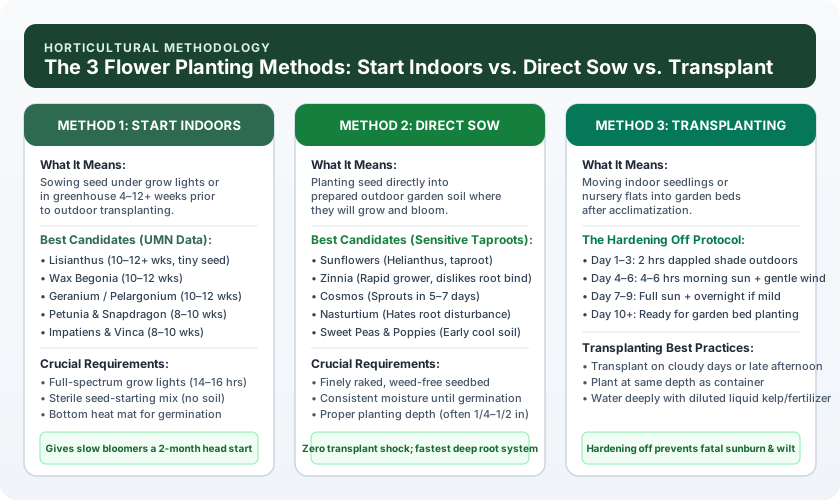
Start Indoors vs. Direct Sow vs. Outdoor Transplanting
Choosing the right propagation method is just as critical as timing. Fast-growing annuals with sensitive taproots (like sunflowers, poppies, and nasturtiums) develop far stronger, storm-resistant root systems when sown directly in outdoor beds. Conversely, slow-developing species (like lisianthus, begonias, and petunias) require the temperature control and protection of indoor seed-starting lights.
Geophyte Horticulture
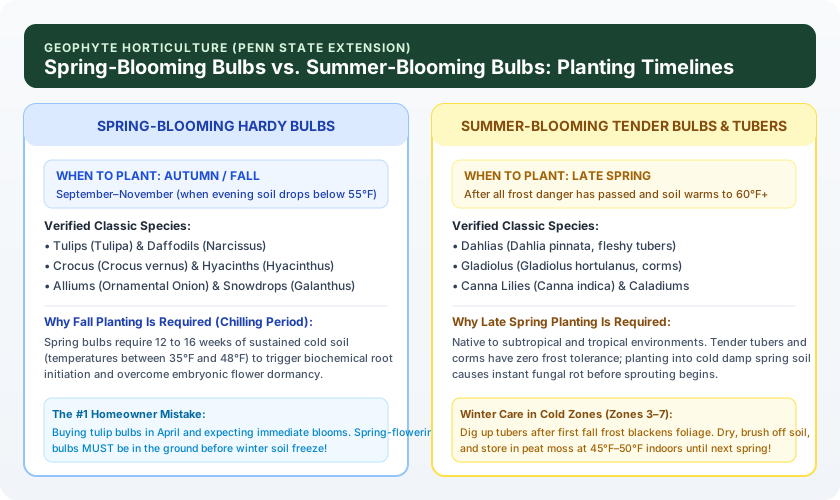
Spring-Blooming Bulbs vs. Summer-Blooming Bulbs: Planting Timelines
Penn State Extension guidance clarifies the crucial distinction between spring and summer geophytes: spring bulbs (tulips, daffodils, crocus) are cold-hardy and must be planted in fall so winter soil temperatures (35°F–48°F) can trigger biochemical vernalization. Summer bulbs (dahlias, gladiolus, cannas) are tropical geophytes that turn to mush in freezing soil and should only be planted outdoors after all frost danger has passed and soil warms to 60°F+.
Lifecycle Mechanics
Planting Time vs. Bloom Time: Why They Differ
| Flower Category | Typical Planting Window | Typical Bloom Window | Why Timing Differs (Biological Reason) | Classic Examples |
|---|---|---|---|---|
| Spring-Blooming Hardy Bulbs (Tulips, Daffodils, Crocus) | Autumn (September to November, soil <55°F) | Early to Late Spring (March to May) | Geophytes require 12 to 16 weeks of sustained cold soil temps (35°F–48°F) to trigger biochemical root development and overcome embryonic flower dormancy. Planting them in spring results in blind bulbs that fail to flower. | Tulipa (Tulip), Narcissus (Daffodil), Crocus vernus, Hyacinthus orientalis, Allium |
| Summer-Blooming Tender Bulbs & Tubers (Dahlias, Cannas, Gladiolus) | Late Spring (May to early June, soil >60°F) | Midsummer through Hard Frost (July to October) | Native to tropical/subtropical regions. Tender tubers have zero frost tolerance; planting into cold wet spring soil causes instant rot. Rapid summer growth produces flowers within 75 to 90 days after soil warms. | Dahlia pinnata, Gladiolus hortulanus, Canna indica, Caladium, Colocasia |
| Hardy Annuals (Pansies, Violas, Snapdragons, Calendula) | Early Spring (March/April) or Early Autumn (September) | Spring through Early Summer, then Autumn | Hardy annuals thrive in 50°F–65°F weather and produce flowers within 4 to 6 weeks of spring transplanting. When hot midsummer temperatures (>85°F) arrive, they set seed and slow down until autumn cooling. | Viola × wittrockiana, Antirrhinum majus, Lobularia maritima, Calendula officinalis |
| Tender Warm-Season Annuals (Zinnias, Marigolds, Cosmos, Vinca) | Late Spring after Frost (May to early June) | Midsummer through Autumn Frost (July to October) | Require warm air and soil to initiate rapid cell division. Once established in 70°F+ temperatures, they bloom prolifically for 3 to 4 months until the first autumn freeze terminates their annual lifecycle. | Zinnia elegans, Tagetes patula, Cosmos bipinnatus, Catharanthus roseus, Helianthus |
| Herbaceous Perennials (Coneflowers, Black-Eyed Susans, Hostas) | Spring (April/May) or Early Autumn (Sept/Oct) | Seasonal window specific to species (Year 2+ peak) | Perennials invest heavily in deep underground root architecture and crown reserves during Year 1. First-season blooms may be modest; Year 2 and Year 3 deliver magnificent full-canopy floral displays. | Echinacea purpurea, Rudbeckia fulgida, Hosta, Salvia nemorosa, Hemerocallis |
| Biennial Flowers (Foxglove, Hollyhock, Sweet William) | Midsummer to Early Autumn (July to September) | Late Spring to Early Summer of YEAR TWO | Two-year biological lifecycle: Year 1 produces vegetative basal leaf rosettes and deep taproots; winter chilling (vernalization) triggers flower stalk initiation for a dramatic floral show in Year 2, followed by seed drop. | Digitalis purpurea (Foxglove), Alcea rosea (Hollyhock), Dianthus barbatus |
Master Flower Planting Database (30+ Verified Species)
Source-backed indoor start windows, direct-sow timelines, transplant benchmarks, and extension citations for popular garden flowers.
| Flower Name | Type & Cold Tolerance | Indoor Seed Start | Direct Sow Window | Transplant Timing | Sun & Hardiness | Primary Source |
|---|---|---|---|---|---|---|
| LisianthusEustoma grandiflorum | Tender PerennialTender | 10–12+ weeks before last frost | Not recommended (seeds dust-like, microscopic seedlings) | 1–2 weeks after last frost danger passes | Full Sun Zones 8–10 (grown as annual in Zones 3–7) | University of Minnesota Extension |
| Pansy / ViolaViola × wittrockiana / Viola tricolor | BiennialHardy | 10–12 weeks before last frost | Late summer (for fall/spring biennial) or early spring | 3–4 weeks before last frost date (hardy) | Full Sun to Part Shade Zones 4–9 | Illinois Extension |
| Wax BegoniaBegonia semperflorens | Tender PerennialTender | 10–12 weeks before last frost | Not recommended (extremely tiny dust seed) | 1–2 weeks after last frost when soil warms to 60°F+ | Part Sun / Shade Zones 10–11 (grown as annual elsewhere) | University of Minnesota Extension |
| Annual GeraniumPelargonium × hortorum | Tender PerennialHalf-Hardy | 10–12 weeks before last frost | Not recommended | Around or 1 week after last frost date | Full Sun Zones 10–11 (annual in cooler zones) | University of Minnesota Extension |
| PetuniaPetunia × atkinsiana | Tender PerennialHalf-Hardy | 8–10 weeks before last frost | Not recommended in cold climates | 1–2 weeks before to 1 week after last frost | Full Sun Zones 9–11 | Illinois Extension |
| SnapdragonAntirrhinum majus | AnnualHardy | 8–10 weeks before last frost | Early spring as soon as soil can be worked | 2–4 weeks before last frost date | Full Sun to Part Shade Zones 7–10 (grown as hardy annual in Zones 3–6) | Illinois Extension |
| Sweet AlyssumLobularia maritima | AnnualHardy | 6–8 weeks before last frost | 2–4 weeks before last frost date | 3–4 weeks before last frost date | Full Sun to Part Shade Zones 5–9 (annual) | Illinois Extension |
| Dianthus / PinksDianthus chinensis / barbatus | AnnualHalf-Hardy | 6–8 weeks before last frost | 2–3 weeks before last frost | 2 weeks before last frost date | Full Sun Zones 4–9 (varies by species) | Illinois Extension |
| Marigold (French & African)Tagetes patula / erecta | AnnualTender | 4–6 weeks before last frost | Around or 1 week after last frost date | After last frost date when soil reaches 60°F | Full Sun Zones 2–11 (annual) | University of Minnesota Extension |
| ZinniaZinnia elegans | AnnualTender | 3–4 weeks before last frost (max) | 1–2 weeks after last frost (soil >65°F) | 1–2 weeks after last frost in warm soil | Full Sun Zones 2–11 (annual) | Illinois Extension & UMN Extension |
| CosmosCosmos bipinnatus / sulphureus | AnnualTender | 3–4 weeks before last frost | Around or 1 week after last frost date | 1–2 weeks after last frost | Full Sun Zones 2–11 (annual) | University of Minnesota Extension |
| SunflowerHelianthus annuus | AnnualTender | 2–3 weeks in biodegradable peat pots (optional) | 1–2 weeks after last frost (soil >60°F) | Carefully transplant without disturbing taproot | Full Sun Zones 2–11 (annual) | Penn State Extension |
| NasturtiumTropaeolum majus | AnnualTender | 2–4 weeks in peat pots before last frost | Around or 1 week after last frost date | After last frost | Full Sun to Part Shade Zones 2–11 (annual) | University of Minnesota Extension |
| ColeusPlectranthus scutellarioides | Tender PerennialTender | 6–8 weeks before last frost | Not recommended | 1–2 weeks after last frost (air >55°F at night) | Part Sun / Shade Zones 10–11 (grown as annual elsewhere) | Illinois Extension |
| ImpatiensImpatiens walleriana | Tender PerennialTender | 8–10 weeks before last frost | Not recommended | 1–2 weeks after last frost (warm soil required) | Part Shade to Full Shade Zones 10–11 | Illinois Extension |
| Vinca / Madagascar PeriwinkleCatharanthus roseus | Tender PerennialTender | 8–10 weeks before last frost | Not recommended | 2–3 weeks after last frost (soil >65°F) | Full Sun Zones 9–11 | Illinois Extension |
| Calendula / Pot MarigoldCalendula officinalis | AnnualHardy | 4–6 weeks before last frost | 3–4 weeks before last frost date | 3–4 weeks before last frost date | Full Sun to Part Shade Zones 2–11 (annual) | Illinois Extension |
| Purple ConeflowerEchinacea purpurea | PerennialHardy | 8–10 weeks before last frost (with cold moist stratification) | Late fall (natural stratification) or early spring | Early to mid-spring, or late summer / early fall | Full Sun Zones 3–9 | Illinois Extension |
| Black-Eyed SusanRudbeckia fulgida / hirta | PerennialHardy | 6–8 weeks before last frost | Early spring or late autumn | Early to mid-spring, or late summer to early fall | Full Sun Zones 3–9 | Illinois Extension |
| TulipTulipa | Spring BulbHardy | Not applicable (requires indoor chilling if forcing) | Not applicable (geophyte bulb) | Plant dormant bulbs in fall (September to November) | Full Sun to Part Shade Zones 3–8 (requires artificial chilling in Zones 8–10) | Penn State Extension |
| Daffodil / NarcissusNarcissus | Spring BulbHardy | Not applicable | Not applicable | Plant dormant bulbs in early-to-mid fall | Full Sun to Part Shade Zones 3–9 | Penn State Extension |
| CrocusCrocus vernus | Spring BulbHardy | Not applicable | Not applicable | Plant corms in early-to-mid autumn | Full Sun to Part Shade Zones 3–8 | Penn State Extension |
| DahliaDahlia pinnata | Summer BulbTender | 4–6 weeks before last frost (potting up tubers indoors) | Not applicable | After last frost when garden soil reaches 60°F | Full Sun Zones 8–11 (winter hardy); Zones 3–7 (must dig and store tubers) | Penn State Extension |
| GladiolusGladiolus hortulanus | Summer BulbTender | Optional 2–4 weeks in containers | Not applicable | Plant corms 1–2 weeks after last frost; succession plant every 2 weeks | Full Sun Zones 8–10 (hardy); Zones 3–7 (tender corm) | Penn State Extension |
| Canna LilyCanna indica | Summer BulbTender | 4–6 weeks before frost in pots indoors | Not applicable | After last frost when soil is reliably warm (>65°F) | Full Sun Zones 7–10 (hardy); Zones 3–6 (tender rhizome) | Penn State Extension |
Geographic Climate Adaptation
How to Adapt the Planting Calendar to Your US Region
| Climate Context | Representative Regions | Typical Calendar Shift | Primary Timing Anchor | Core Gardening Priority |
|---|---|---|---|---|
| Cold / Short-Season (USDA Zones 3–4) | Upper Midwest (MN, WI, ND), Northern New England (VT, NH, ME), High Rockies | Spring starts 3–4 weeks LATER; Autumn frost arrives 3–4 weeks EARLIER | Last spring frost: Late May to Early June; First fall frost: Early to Mid-September | Heavy reliance on indoor seed starting with grow lights in Feb–March; select short-season annuals (55–65 days to bloom) and ultra-hardy perennials (Zone 3–4 rated). |
| Cool Temperate (USDA Zones 5–6) | Midwest (IL, IN, OH, MI), Central PA, Upstate NY, Southern New England, Coastal MA | Baseline standard US calendar; classic 4-season sequence | Last spring frost: Late April to Mid-May; First fall frost: October | Traditional spring bedding timeline. Start seeds indoors Feb–April; transplant hardy annuals in April; tender annuals and summer bulbs in mid-to-late May. |
| Moderate Temperate (USDA Zones 7–8) | Mid-Atlantic (VA, NC, MD), Pacific Northwest (WA, OR), Tennessee Valley, parts of TX/GA | Spring starts 2–3 weeks EARLIER; Autumn extends 3–4 weeks LATER | Last spring frost: Late March to Mid-April; First fall frost: Late October to Mid-November | Long growing season allows early direct sowing in April; two distinct planting seasons (spring-to-summer and fall-to-winter). In PNW, wet mild springs favor cool-season perennials. |
| Long Growing Season / Subtropical (USDA Zones 9–10) | Deep South (coastal SC, GA, Gulf Coast), Central/South TX, Low Desert (AZ), Coastal CA | Summer heat is the primary limiter; inverted gardening seasons | Last spring frost: February to Early March; First fall frost: December (or none) | Plant cool-season annuals (pansies, snapdragons, petunias) in AUTUMN (October–November) for winter-long blooms. High summer heat (>95°F) stops temperate flower growth. |
| Frost-Free / Tropical (USDA Zones 11–13) | South Florida (Miami, Keys), Hawaii, Puerto Rico, parts of coastal Southern California | Frost dates DO NOT APPLY; seasons defined by Wet vs. Dry cycles | Monsoon / Rainy Season (Summer) vs. Dry Sun Season (Winter) | Standard US spring frost rules are irrelevant. Focus on heat- and humidity-resilient tropical perennials (hibiscus, plumeria, bougainvillea, orchids) and winter-season annual bedding. |
| High Elevation / Mountain West | Intermountain West (Reno, NV, Santa Fe, NM, Colorado Front Range, Flagstaff, AZ) | USDA Zone paradox: mild winter zone rating but late freezing spring frost dates | Last frost: Late May or June despite Zone 6–7 winter rating; extreme day/night temp swings | Never use USDA zone to predict planting dates. High elevation causes 40°F daily temperature swings; wait for warm night temperatures before planting tender bedding. |
Alaska Gardening Reality:
Short growing season (often 90 to 105 frost-free days). Gardeners must rely heavily on indoor seed starting in March and April under grow lights, choose rapid 55-to-65-day flower cultivars, and wait until late May or early June for outdoor transplanting. Continuous 18–20 hour daylight in midsummer causes explosive, rapid floral growth once established.
Hawaii & Frost-Free Tropics:
Spring frost dates are completely irrelevant in Zones 11–13. Planting calendars revolve around trade winds, wet winter monsoon patterns, and dry summer spells. Temperate spring bulbs will not bloom without artificial refrigeration. Focus on native and adapted tropical perennials: plumeria, orchids, anthurium, and hibiscus.
California Microclimate Complexity:
Never treat California as a single climate zone. Cool maritime coastal zones (fog, mild summers) plant cool-loving annuals year-round; the Central Valley faces blistering 100°F summer heat requiring heat-adapted species; mountain areas (Sierra Nevada) face sub-zero winter freezes and June frost dates. Consult local UC Master Gardener calendars.
Florida & Gulf Coast Inverted Season:
In USDA Zones 9–11, the primary flower gardening season is inverted. Intense midsummer heat (92°F+) and torrential rains halt temperate annual growth. The main flower planting window spans October through February for pansies, petunias, and snapdragons that bloom straight through the winter months.
Avoid Costly Pitfalls
18 Flower Planting Timing Mistakes to Avoid
1. Using Calendar Month Alone to Determine Planting Date
Why It Fails: National magazine headlines prescribe 'Plant Marigolds in April' without regional context. April in Miami is 80°F warmth, while April in Minneapolis brings blizzards. Blindly planting by the calendar kills millions of seedlings every spring.
2. Treating USDA Hardiness Zone as a Last Frost Date
Why It Fails: Assuming 'Zone 7 means my last frost is April 15.' The 2023 USDA Plant Hardiness Zone Map measures only the average lowest winter temperature for perennial winter survival. Reno, NV and Richmond, VA are both Zone 7b, but Reno's last frost is 6 weeks later due to 4,500 ft elevation.
3. Planting Tender Annuals Outdoors Too Early
Why It Fails: Big-box garden centers stock lush flowering petunias and impatiens 4 weeks before the frost-free date. Tempted homeowners plant them in cold ground, where a single 31°F night frost turns them into black slime.
4. Starting Every Flower Seed Indoors 6 to 8 Weeks Early
Why It Fails: Generic gardening articles claim 'start seeds 6–8 weeks before frost.' University of Minnesota Extension data proves flower lead times range from 3 weeks (zinnias, sunflowers) to 14 weeks (lisianthus). Starting zinnias 8 weeks early creates tangled, root-bound, stunted seedlings.
5. Starting Taproot-Sensitive Flowers Indoors in Plastic Trays
Why It Fails: Sunflowers, poppies, sweet peas, and nasturtiums have delicate taproots that hate disturbance. When pulled from shallow plastic six-packs, root tips tear, causing permanent stunting or death.
6. Skipping the 7-to-10-Day Hardening-Off Protocol
Why It Fails: Seedlings raised under indoor grow lights have tender, thin leaf cuticles and weak cell walls. Moving them directly into intense outdoor sunlight and wind causes severe leaf scorch (sunburn), dehydration, and collapse.
7. Assuming the Average Last Frost Date Is a Guarantee
Why It Fails: Penn State Extension's March 30, 2026 guidance emphasizes that average frost dates represent a 50% statistical probability. Frost can and frequently does occur 1 to 2 weeks after the historical average date.
8. Confusing Planting Time with Bloom Time
Why It Fails: Homeowners search 'What flowers bloom in spring?' and buy seeds in April expecting instant blooms. Flower bulbs must be planted 5 to 6 months before blooming; perennials require months of root growth.
9. Planting Spring-Flowering Bulbs in Spring
Why It Fails: Buying packaged tulip or daffodil bulbs in April garden centers and burying them in spring soil. Without 12 to 16 weeks of winter cold chilling (vernalization), embryonic flower buds abort and bulbs rot.
10. Planting Summer Bulbs into Cold, Waterlogged Spring Soil
Why It Fails: Planting dahlias, cannas, or caladium tubers in early April when soil is cold (45°F) and drenched with spring rain. Cold moisture causes fleshy tubers to rot before root initiation begins.
11. Using One State's Extension Calendar in a Different Region
Why It Fails: Following a Pennsylvania or Minnesota planting calendar while gardening in Georgia, Texas, or California. Climate realities, rainfall cycles, and heat windows vary dramatically across states.
12. Planting All Perennials in the Same Month
Why It Fails: Assuming spring is the only time to plant perennials. While spring is fine, late summer and early autumn (late August to September) offer superior root establishment with far less heat and drought stress.
13. Ignoring Seed Packet Planting Depth and Light Requirements
Why It Fails: Burying light-dependent seeds (petunias, snapdragons, begonias, sweet alyssum) under 1/2 inch of soil. These species require light to trigger germination; burying them in darkness guarantees zero emergence.
14. Planting Heat-Sensitive Cool Flowers in Late Spring
Why It Fails: Planting pansies, violas, or sweet peas in late May when temperatures are already reaching 80°F–85°F. Cool-season annuals stall, stretch, stop flowering, and die under early summer heat.
15. Planting Sun-Loving Annuals in Dark Foundation Shadows
Why It Fails: Planting zinnias, marigolds, or sunflowers along a north-facing house wall or under dense tree canopies. Plants stretch into spindly, weak stalks with few or no blooms and succumb to powdery mildew.
16. Forgetting to Pre-Chill Spring Bulbs in Warm-Winter Climates
Why It Fails: Planting tulips or hyacinths in Florida, coastal California, or the Deep South (Zones 8–10) without chilling. Warm southern winters lack the sustained 40°F temperatures needed for bulb vernalization.
17. Planting Peonies Too Deeply in Autumn
Why It Fails: Burying bare-root peony crowns 4 to 6 inches deep. Peonies planted too deeply produce lush foliage year after year but will chronically fail to produce a single flower bud.
18. Neglecting Post-Planting Water During Autumn Establishment
Why It Fails: Planting perennials or spring bulbs in September and October and forgetting to water because the air feels cool. Autumn root growth requires consistent moisture until the ground actually freezes.
Visualize Your Seasonal Flower Bed Layout
Once you know your planting timing, design the physical beds: layer structural shrubs, blooming perennials, and border flowers to achieve non-stop 4-season curb appeal.
Questions & Answers
Frequently Asked Questions About Flower Planting Timing
Answers
Frequently asked questions
01What month should I plant flowers?
There is no single month that works nationwide. In cold and temperate US climates, indoor seed starting begins in February and March, hardy annuals are planted outdoors in April, and tender summer flowers (zinnias, impatiens, dahlias) are planted in May after all frost danger passes. In mild southern and coastal regions (Zones 8–10), the primary flower planting season runs from October through March. Always use your local average last frost date rather than a calendar month alone.
02When should I start flower seeds indoors?
Indoor start timing depends on the specific flower species' growth rate (University of Minnesota Extension). Very slow-growing flowers like lisianthus, wax begonias, and geraniums require 10 to 14 weeks before your last spring frost. Mid-season flowers like petunias, snapdragons, and dianthus need 8 to 10 weeks. Fast-growing annuals like zinnias, cosmos, and sunflowers need only 3 to 4 weeks indoors. Never start fast-growing flowers too early or they will become root-bound and leggy.
03What flowers can I plant right now?
The flowers you can plant right now depend on your current month, local frost window, and flower category: (1) In late winter/early spring before frost, plant cold-hardy annuals like pansies, violas, snapdragons, and sweet alyssum; (2) In late spring after frost danger passes, plant tender warm annuals like zinnias, marigolds, impatiens, and dahlias; (3) In late summer and early autumn, plant hardy perennials, garden mums, and spring-flowering bulbs (tulips, daffodils).
04Can I plant flowers before the last frost date?
Yes, but only cold-hardy and half-hardy flowers. Illinois Extension classifies flowers like pansies, violas, snapdragons, sweet alyssum, and calendula as hardy annuals that can safely be planted outdoors roughly 4 weeks before your local frost-free date because they withstand 28°F night frosts once hardened off. Tender annuals like zinnias, coleus, impatiens, and begonias must wait until after the last frost.
05When should annual flowers be planted?
Annual flower timing depends on cold tolerance: (1) Hardy annuals (pansies, snapdragons, sweet alyssum) can be planted roughly 4 weeks before your local average last spring frost; (2) Half-hardy annuals (petunias, dianthus, lobelia) can go out approximately 2 weeks before frost with protective cover ready; (3) Tender annuals (zinnias, marigolds, impatiens, vinca) should be planted around or 1 to 2 weeks after the last frost once soil warms to 60°F–65°F.
06When should I plant perennial flowers?
The two best windows for planting container-grown and bare-root perennials are early to mid-spring (April–May) and late summer to early autumn (late August through September). Illinois Extension highlights early autumn as an exceptional perennial planting window because warm soil and cooling air encourage rapid root establishment with minimal water stress, leading to superior second-year blooms.
07What month do I plant spring bulbs?
Penn State Extension confirms spring-flowering bulbs (tulips, daffodils, crocus, hyacinths, alliums) should be planted in autumn before the ground freezes. In northern zones (Zones 3–5), plant in September and October. In temperate zones (Zones 6–7), plant in October and November. In warm southern zones (Zones 8–10), pre-chill bulbs in a refrigerator for 10–14 weeks and plant in December or January.
08When should summer bulbs be planted?
Tender summer-flowering bulbs, tubers, and corms (such as dahlias, gladiolus, cannas, and caladiums) should be planted outdoors in late spring after all danger of frost has passed and soil temperatures reach at least 60°F. Planting summer geophytes into cold, waterlogged early spring soil causes root and tuber rot before sprouting begins.
09Is USDA hardiness zone the same as my frost date?
No. USDA Plant Hardiness Zones and local frost dates are related climatic measurements, but they are not interchangeable. The official 2023 USDA map measures the average annual extreme minimum winter temperature to determine whether perennials will survive winter freezes. Local frost dates measure the historical average date of the last 32°F freeze in spring. Two cities can share the same USDA zone (like Reno, NV and Richmond, VA in Zone 7b) while having last spring frost dates that differ by six weeks.
10What flowers can be planted in the fall?
In autumn, plant: (1) Spring-flowering bulbs (tulips, daffodils, crocus, alliums); (2) Hardy cool-season annuals (pansies, violas, flowering kale) for fall and early-spring color; (3) Herbaceous perennials and ornamental grasses, which root vigorously in warm autumn soil; and (4) Native wildflower seeds that require winter freeze-thaw cycles (cold stratification) to sprout.
11Can flowers be planted in midsummer (July and August)?
Yes, but with care. You can succession-sow quick annuals like zinnias, cosmos, and sunflowers for late-summer/fall color, fill bare bed spots with heat-tolerant potted annuals (vinca, lantana, pentas), and plant container perennials if watered daily. Avoid planting bare-root perennials or delicate cool-season flowers during midsummer heat.
12What is the difference between direct sowing and transplanting?
Direct sowing means planting seeds directly into outdoor garden soil where they will permanently grow (ideal for taproot-sensitive flowers like sunflowers, poppies, and nasturtiums). Transplanting means starting seeds indoors in containers or buying nursery-grown seedlings and planting them into garden beds after a 7-to-10-day outdoor acclimatization process called hardening off.
13Why do my indoor flower seedlings get tall, thin, and floppy?
Seedlings become tall, weak, and leggy when they receive insufficient light. Window sills rarely provide enough intensity. University of Minnesota Extension recommends placing seedlings under high-output grow lights kept just 2 to 3 inches above the plant canopies for 14 to 16 hours daily, and gently brushing seedling tops daily to stimulate thicker stem development.
14What does hardening off mean and why is it mandatory?
Hardening off is the gradual 7-to-10-day process of acclimating indoor-grown seedlings to harsh outdoor elements: direct ultraviolet sunlight, wind, and fluctuating temperatures. Moving seedlings outdoors directly without hardening off causes acute sunburn, windburn, wilting, and transplant shock that can stunt or kill young plants.
15How deep should flower seeds be planted?
A reliable horticultural rule of thumb is to plant seeds at a depth equal to 2 to 3 times their diameter. However, seed packet instructions must always take precedence: microscopic seeds like petunias, snapdragons, and begonias require light to germinate and must be surface-sown without soil cover, while large seeds like sunflowers and sweet peas require 1/2 to 1 inch of soil coverage.
16What flowers can I plant in Florida or warm-winter climates?
In Florida and USDA Zones 9–11, the flower gardening calendar is largely inverted compared to the North. High summer heat and humidity suspend most temperate annual planting. The premier flower planting season runs from October through March, when gardeners plant cool-season annuals (pansies, petunias, snapdragons, delphinium) alongside heat-tolerant tropical perennials (hibiscus, bougainvillea, pentas).
Planning Seasonal Flower Beds in Peabody, MA?
While this guide provides comprehensive month-by-month timing standards for the entire United States, gardening on Massachusetts' North Shore brings specific coastal New England conditions: USDA Hardiness Zone 6b, an average last spring frost between May 5 and May 12, rocky acidic glacial till, and coastal nor'easter winds.
In Essex County, experienced gardeners start slow seeds (lisianthus, pansies) indoors in February, direct-sow sweet peas in April, hold off on tender zinnias and impatiens until mid-to-late May, and plant spring bulbs (tulips and daffodils) in mid-to-late October when evening soil drops below 55°F. For comprehensive front-yard bed planning, sod installation, stone edging, or perennial design, LandscapingPeabodyMA.com connects you with independent, vetted landscaping professionals across Peabody, Danvers, Beverly, Salem, and Marblehead.
Ready to Transform Your Home with Beautiful Seasonal Flowers?
Connect with local landscaping professionals for perennial bed design, foundation plantings, seasonal mulch refreshes, and lawn care across the North Shore.
Get connected with an independent local landscaping professional. Calls go to (877) 537-6896.